Meta, the parent company of Facebook, is reportedly embarking on the most significant strategic contraction of its metaverse division, Reality Labs, since the company’s rebranding in 2021. Sources close to Bloomberg indicate that Reality Labs could face budget cuts of up to 30% for 2026. This stark re-evaluation of its ambitious virtual world strategy comes as “metaverse concept coins” have suffered a catastrophic collapse, with their collective market capitalization plummeting by over 99% since the beginning of the year.
Once hailed as the “holy grail” by tech titans and the cryptocurrency market, the metaverse dream is now confronting a harsh reality check. The surging wave of artificial intelligence (AI) has evidently shifted the priorities of industry leaders, including Meta.

According to Bloomberg, Meta has undertaken a comprehensive review of its budget for the upcoming year. While most internal teams have been instructed to trim expenses by approximately 10%, Reality Labs—the division responsible for Meta’s flagship metaverse platform, Horizon Worlds, and its Quest VR headsets—is grappling with a potential budget reduction nearing 30%. Should these cuts be finalized, another wave of layoffs could commence as early as the beginning of next year.
Reality Labs has been Meta’s central bet on hardware and immersive technologies, accumulating an expenditure of $70 billion since 2021. Insiders reveal that the metaverse team is facing such aggressive cost-cutting measures primarily because company executives have acknowledged that the industry’s transition to VR and virtual worlds is progressing at a significantly slower pace than initially anticipated.
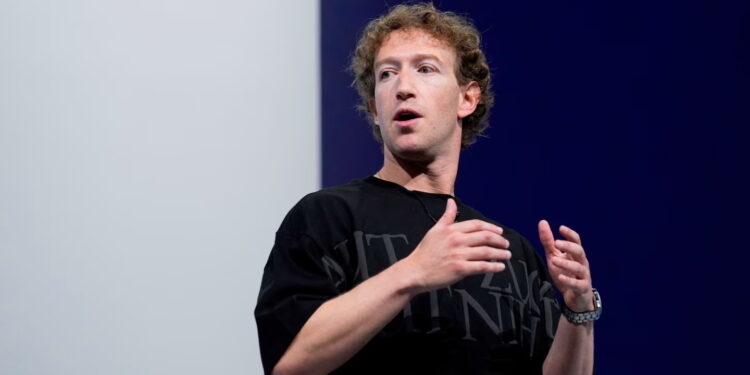
Even as the metaverse hype began to wane in 2023, Meta CEO Mark Zuckerberg consistently refuted claims that the company was abandoning its metaverse vision or entirely shifting its focus to AI. However, Horizon Worlds has struggled to achieve significant breakthroughs over the past two years, and the escalating financial pressures on Reality Labs have undeniably diminished the metaverse’s strategic prominence within Meta’s overarching corporate strategy.
In stark contrast, Meta’s recent pivot towards “generative AI” and consumer-grade hardware designed to support AI models has yielded impressive returns. The AI-powered smart glasses, developed in collaboration with Ray-Ban, have not only achieved robust sales but have also positively impacted the performance of partner EssilorLuxottica. For investors, these AI smart glasses present a clearer, more immediate pathway to monetization, a stark contrast to the more distant and speculative prospects of the metaverse.
The market has responded enthusiastically to the news of Meta’s substantial reduction in metaverse spending. Following the announcement, Meta’s stock price, which closed at $640 on Wednesday, surged to a high of $674 in pre-market trading on Thursday, maintaining a stable position around $665 in early trading.
Concurrently, the once-booming “metaverse concept coins” have entered a profound winter. Render (RNDR), a former leading project, has seen its market capitalization plummet below $1 billion, effectively removing it from the top 100 cryptocurrencies list. Similarly, Sandbox (SAND) and Decentraland (MANA), once considered pioneers of the metaverse crypto space, are currently trading near their historical lows.
According to data from CoinGecko statistics, the overall market capitalization of metaverse tokens has crashed from an estimated $500 billion at the start of this year to a mere $3.2 billion today, representing a staggering 99% evaporation in value within a single year.

Disclaimer: This article is for market information purposes only. All content and views are for reference only, do not constitute investment advice, and do not represent the views and positions of the Blockcast. Investors should make their own decisions and trades. The author and Blockcast will not be responsible for any direct or indirect losses incurred by investors’ transactions.