Author: BlockWeeks
For too long, an invisible barrier has separated the burgeoning cryptocurrency market from traditional finance (TradFi): the significant **friction costs associated with fiat currency on-ramps and off-ramps.**
In a recent and landmark announcement, leading U.S. online brokerage Interactive Brokers (IBKR) revealed a pivotal update: **formal support for clients to deposit stablecoins (primarily USDC) directly into their accounts for trading traditional assets such as stocks, futures, and foreign exchange.**
At first glance, this might appear to be a simple payment feature enhancement. However, for observers well-versed in financial infrastructure evolution, this move by a top-tier Wall Street brokerage represents a substantive acknowledgment of “on-chain settlement networks.” The shift from the US Dollar to USDC, and from SWIFT to ERC-20, signals a profound paradigm shift in the efficiency of global capital flows.
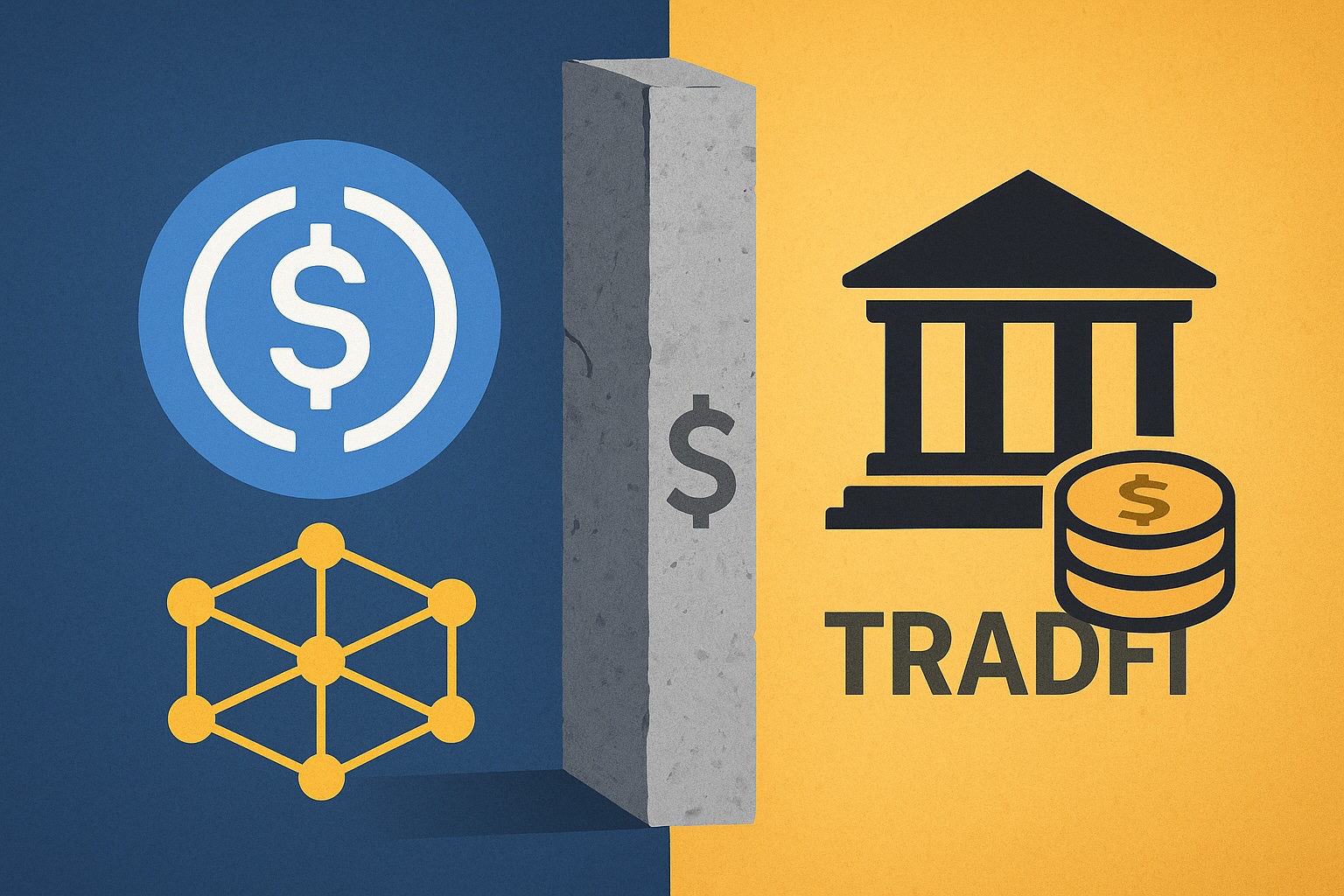
Breaking the Wall: A ‘Dimensional Attack’ on Traditional Settlement
A persistent pain point for global investors, particularly those outside the United States, when engaging with U.S. stock brokerages has been the **deposit process.**
The traditional wire transfer pathway is cumbersome: **local bank foreign exchange purchase → SWIFT cross-border transfer → intermediary bank → U.S. receiving bank → brokerage account crediting.** This multi-step process is not only plagued by high fees (wire transfer fees plus intermediary charges) but is also severely constrained by banking hours and the inherent inefficiencies of the SWIFT system, often requiring 1-3 business days for completion.
Interactive Brokers’ introduction of stablecoin deposits effectively leverages blockchain as a “novel clearing layer,” launching a ‘dimensional attack’ on the traditional bank wire transfer system:
-
24/7 Liquidity: On-chain transfers operate without the concept of “bank closing hours.” Deposits made on a Friday evening no longer need to wait until Monday morning for processing.
-
Instant Settlement: In stark contrast to SWIFT’s layered confirmation process, USDC on-chain confirmations typically occur within seconds to minutes.
-
Capital Efficiency Revolution: For high-frequency traders and cross-market arbitrageurs, the seamless transfer of capital between on-chain (Web3) and securities (Web2) accounts drastically reduces capital holding costs, unlocking unprecedented efficiency.
Unveiling the Tech Black Box: It’s crucial to clarify that Interactive Brokers is likely not directly “holding” these tokens for stock settlement. The backend logic most probably involves a partnership with regulated entities like Paxos or Circle. Users transfer USDC → the partner converts it 1:1 into USD → this fiat is then instantly transferred to the client’s IBKR fiat balance. **Superficially, it’s crypto; fundamentally, it’s still fiat, but the underlying channel has transitioned to the blockchain.**
A Strategic Play: Capturing the Wealth of the Web3 Elite
Interactive Brokers is renowned for its stringent risk controls and its service to professional traders and institutional clients. Why would such a conservative titan be the first to take this bold step?
The answer lies in the fierce competition for **incremental wealth.**
The past two bull cycles have created a significant population of “Crypto Natives” and Web3 institutions, many holding millions, or even hundreds of millions, of dollars primarily in USDT/USDC or ETH on-chain.
Historically, their desire to allocate capital to U.S. equities (e.g., purchasing NVIDIA or Coinbase shares) necessitated a cumbersome “off-ramp” process. This not only exposed them to risks like bank account freezes due to compliance scrutiny but also subjected them to substantial foreign exchange losses.
IBKR’s move is a calculated “gold-attracting strategy”:
-
For Users: It provides the most secure and compliant “off-ramp” channel. Depositing USDC into IBKR to purchase U.S. Treasuries or S&P 500 ETFs represents the most legitimate pathway for “traditionalizing” crypto assets.
-
For IBKR: This directly taps into a global pool of highly liquid, high-net-worth clients with a significant risk appetite. Beyond earning commissions, this strategy aims to accumulate substantial client margin (float), a critical component of a brokerage’s financial strength.
The Signal: Stablecoins Evolving into a ‘Supra-Sovereign SWIFT’
Broadening our perspective, this event serves as a reverse reflection of the Real World Assets (RWA) narrative.
If RWA focuses on “bringing” U.S. Treasuries onto the blockchain, then IBKR’s support for stablecoin deposits is about “bringing” on-chain liquidity back into traditional finance. This marks a qualitative transformation in the **historical positioning of stablecoins:**
-
1.0 Era: Primarily trading chips on cryptocurrency exchanges.
-
2.0 Era: Safe-haven assets within DeFi protocols.
-
3.0 Era (Present): Evolving into a true **global payment and settlement infrastructure.**
When a NASDAQ-listed brokerage giant begins to utilize blockchain networks to process client funds, effectively replacing the SWIFT network, it unequivocally signals that blockchain’s security, compliance, and efficiency as a “payment channel” have successfully passed Wall Street’s most rigorous stress tests.
Underlying Concerns and Regulatory Scrutiny: The Sword of Damocles for Compliance
Despite the promising outlook, we must not overlook the inherent regulatory complexities and ongoing power struggles.
-
KYC/AML Penetration Challenges: Interactive Brokers’ support for stablecoin deposits will undoubtedly necessitate extremely strict on-chain address screening. Questions will arise: Has a user’s deposit address interacted with sanctioned entities (e.g., Tornado Cash)? How will “black U” (illicit cryptocurrency) be identified? This will rigorously test IBKR’s compliance technology capabilities.
-
Tax Transparency: The opening of this channel also implies a strong binding between on-chain assets and real-name securities accounts. For users who might have hoped to use cryptocurrency for tax avoidance, this channel effectively becomes a “self-declaration” to tax authorities. This could prove to be a double-edged sword.
Conclusion: The First Brick to Fall from the Berlin Wall
Interactive Brokers’ seemingly small step represents a monumental leap for financial integration.
It foreshadows a future, within the next five years, where the distinction between **”brokerage accounts” and “crypto wallets” will become thoroughly blurred.** Future investors may no longer need to concern themselves with whether they hold U.S. dollars on a bank ledger or USDC on-chain; their sole focus will be on asset appreciation.
For other brokerages, such as Charles Schwab and Futu, the window to follow suit is narrowing. In an era where liquidity is paramount, whoever controls the stablecoin channel will hold the key to unlocking the vast wealth stored within Web3.
(The above content has been excerpted and republished with authorization from our partner PANews. Original Link | Source: BlockWeeks)
Disclaimer: This article is intended solely to provide market information. All content and views are for reference only and do not constitute investment advice. They do not represent the views or positions of the author or BlockCast. Investors should make their own decisions and trades. The author and BlockCast will not bear any responsibility for direct or indirect losses incurred by investors as a result of their trading decisions.
“““html
Author: BlockWeeks
For an extended period, an intangible barrier has separated the burgeoning cryptocurrency market from traditional finance (TradFi): the significant **friction costs inherent in fiat currency on-ramps and off-ramps.**
In a recent and groundbreaking development, Interactive Brokers (IBKR), a premier U.S. online brokerage, announced a landmark update: **official support for clients to deposit stablecoins (primarily USDC) directly into their accounts for trading traditional assets such as stocks, futures, and foreign exchange.**
While seemingly a straightforward enhancement to payment functionality, astute observers of financial infrastructure transformation recognize this as a profound endorsement by a top-tier Wall Street institution of “on-chain settlement networks.” The transition from the US Dollar to USDC, and from SWIFT to ERC-20, signifies a fundamental paradigm shift in the efficiency of global capital flows.
[IMAGE-PLACEHOLDER-0]
Breaking the Wall: A ‘Dimensional Attack’ on Traditional Settlement
A long-standing challenge for global investors, particularly those outside the United States, seeking to engage with U.S. stock brokerages has been the cumbersome **deposit process.**
The conventional wire transfer pathway is notoriously inefficient: **local bank foreign exchange purchase → SWIFT cross-border transfer → intermediary bank → U.S. receiving bank → brokerage account crediting.** This multi-stage process is not only burdened by high fees (wire transfer fees plus intermediary charges) but is also severely constrained by banking hours and the inherent sluggishness of the SWIFT system, often requiring 1-3 business days for completion.
Interactive Brokers’ integration of stablecoin deposits ingeniously utilizes blockchain as a “novel clearing layer,” effectively launching a ‘dimensional attack’ on the traditional bank wire transfer system:
-
24/7 Global Liquidity: On-chain transfers operate autonomously, devoid of “bank closing hours.” Deposits initiated on a Friday evening no longer face delays until the next business week for processing.
-
Instant Settlement: In stark contrast to SWIFT’s layered confirmation process, USDC on-chain confirmations typically conclude within mere seconds to minutes, drastically accelerating fund availability.
-
Revolutionary Capital Efficiency: For high-frequency traders and cross-market arbitrageurs, the seamless transfer of capital between on-chain (Web3) and securities (Web2) accounts significantly reduces capital holding costs, unlocking unprecedented levels of financial agility.
Unveiling the Technological Underpinnings: It is important to clarify that Interactive Brokers is not directly “holding” these stablecoins for stock settlement. The underlying mechanism most likely involves a strategic partnership with regulated entities such as Paxos or Circle. Users transfer USDC → the partner converts it 1:1 into USD → this fiat is then instantly transferred to the client’s IBKR fiat balance. **While appearing as crypto on the surface, the underlying asset remains fiat, but the critical channel has evolved to the blockchain.**
A Calculated Move: Capturing the Web3 Wealth Elite
Interactive Brokers is widely recognized for its stringent risk controls and its dedicated service to professional traders and institutional clients. The question arises: why would such a traditionally conservative giant be the pioneer in this bold initiative?
The answer lies in the intense competition for **incremental wealth.**
The preceding two bull markets have created a substantial cohort of “Crypto Natives” and Web3 institutions, many of whom hold millions, or even hundreds of millions, of dollars predominantly in USDT/USDC or ETH on-chain.
Historically, their desire to allocate capital to U.S. equities (e.g., purchasing shares of NVIDIA or Coinbase) necessitated a cumbersome “off-ramp” process. This not only exposed them to risks like bank account freezes due to heightened compliance scrutiny but also subjected them to substantial foreign exchange losses.
IBKR’s strategic move is a sophisticated “capital attraction strategy”:
-
For Users: It provides the most secure and compliant “off-ramp” channel available. Depositing USDC into IBKR to purchase U.S. Treasuries or S&P 500 ETFs represents the most legitimate and streamlined pathway for “traditionalizing” crypto assets.
-
For IBKR: This initiative directly taps into a global pool of highly liquid, high-net-worth clients who possess a significant risk appetite. Beyond merely earning commissions, this strategy aims to accumulate substantial client margin (float), a crucial component of a brokerage’s financial strength and liquidity.
The Signal: Stablecoins Evolving into a ‘Supra-Sovereign SWIFT’
From a broader perspective, this event serves as a reverse reflection of the Real World Assets (RWA) narrative.
If the RWA movement focuses on “bringing” U.S. Treasuries onto the blockchain, then IBKR’s support for stablecoin deposits is about “bringing” on-chain liquidity back into traditional finance. This marks a qualitative transformation in the **historical positioning of stablecoins:**
-
1.0 Era: Primarily served as trading chips on cryptocurrency exchanges.
-
2.0 Era: Evolved into safe-haven assets within decentralized finance (DeFi) protocols.
-
3.0 Era (Present): Maturing into a true **global payment and settlement infrastructure.**
When a NASDAQ-listed brokerage giant begins to utilize blockchain networks to process client funds, effectively supplementing or even replacing the traditional SWIFT network, it unequivocally signals that blockchain’s security, compliance, and efficiency as a “payment channel” have successfully passed Wall Street’s most rigorous stress tests.
Underlying Concerns and Regulatory Scrutiny: The Sword of Damocles for Compliance
Despite the immense promise, it is imperative not to overlook the inherent regulatory complexities and ongoing power dynamics.
-
KYC/AML Penetration Challenges: Interactive Brokers’ support for stablecoin deposits will undoubtedly necessitate extremely stringent on-chain address screening. Critical questions will arise: Has a user’s deposit address interacted with sanctioned entities (e.g., Tornado Cash)? How will “black U” (illicit cryptocurrency) be accurately identified? This will rigorously test IBKR’s advanced compliance technology capabilities.
-
Tax Transparency: The opening of this direct channel also implies a strong binding between on-chain assets and real-name securities accounts. For users who might have previously hoped to leverage cryptocurrency for tax avoidance, this channel effectively becomes a “self-declaration” to tax authorities. This aspect could prove to be a double-edged sword, promoting compliance while potentially deterring some users.
Conclusion: The First Brick to Fall from the Berlin Wall
Interactive Brokers’ seemingly modest step represents a monumental leap forward for financial integration.
It foreshadows a future, potentially within the next five years, where the distinction between **”brokerage accounts” and “crypto wallets” will become thoroughly blurred.** Future investors may no longer need to concern themselves with whether they hold U.S. dollars on a bank ledger or USDC on-chain; their sole focus will rightly be on asset appreciation and portfolio performance.
For other major brokerages, such as Charles Schwab and Futu, the window to adapt and follow suit is rapidly narrowing. In an era where liquidity is paramount, whoever effectively controls the stablecoin channel will undoubtedly hold the key to unlocking the vast and growing wealth stored within the Web3 ecosystem.
(The above content has been excerpted and republished with authorization from our partner PANews. Original Link | Source: BlockWeeks)
Disclaimer: This article is intended solely to provide market information. All content and views are for reference only and do not constitute investment advice. They do not represent the views or positions of the author or BlockCast. Investors should make their own decisions and trades. The author and BlockCast will not bear any responsibility for direct or indirect losses incurred by investors as a result of their trading decisions.