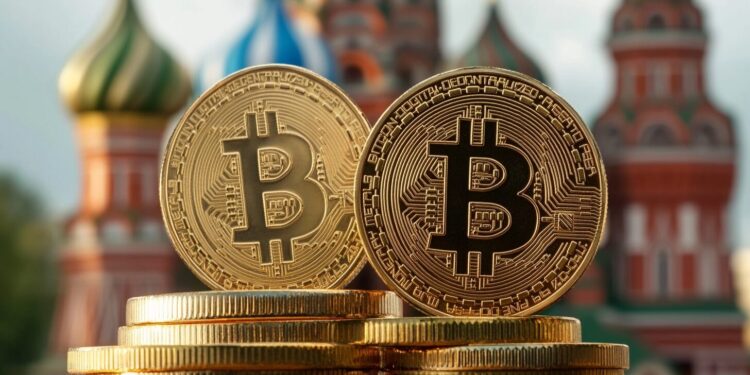
Russia’s Central Bank Unveils Comprehensive Crypto Regulation Framework
In a significant shift, the Russian Central Bank has introduced a detailed “Cryptocurrency Market Regulation Proposal,” signaling a move towards integrating digital assets into its financial landscape. The initiative aims to enable both retail and professional investors to legally engage in cryptocurrency trading, all while maintaining rigorous risk controls. These proposed legislative amendments have been submitted to the Russian government for review, with a target completion date for legislation set before July 2026.
Despite this apparent easing of restrictions, the Central Bank continues to categorize cryptocurrencies as high-risk instruments. A key statement from the bank underscores that digital currencies are neither issued nor guaranteed by any jurisdiction, are prone to extreme price volatility, and carry inherent sanction risks.

Investors are strongly cautioned by the Russian Central Bank to fully comprehend that any potential losses incurred from cryptocurrency investments will be solely their responsibility. The establishment of this regulatory framework, the bank emphasizes, does not imply any form of investment guarantee or protection.
Digital Assets Classified: Monetary Assets, Not Payments
Under the new proposal, digital currencies and stablecoins will be formally recognized as “monetary assets.” This classification permits their legal buying, selling, and investment. However, it explicitly prohibits their use as payment instruments within Russia, reinforcing the Central Bank’s stance on maintaining the ruble’s supremacy in domestic transactions.
Tiered Investment Access for Russian Investors
The Central Bank’s proposal introduces a clear, tiered system for cryptocurrency investment eligibility and limits:
- Retail Investors: Access is restricted to mainstream cryptocurrencies explicitly designated as “highly liquid” by law. Prospective retail investors must also successfully pass a mandatory risk assessment. Furthermore, an annual investment cap of 300,000 rubles (approximately USD 3,300) will be imposed per individual through any single intermediary.
- Professional Investors: These investors will enjoy broader access, permitted to invest in any cryptocurrency, with the exception of privacy coins. While transaction amounts will not be capped, professional investors are also required to complete a risk awareness test.
Leveraging Existing Financial Infrastructure
Operationally, cryptocurrency transactions are envisioned to integrate seamlessly with Russia’s existing financial infrastructure. Financial institutions such as exchanges, brokers, and trust (asset management) firms that already hold valid financial licenses will be authorized to provide crypto asset-related services under this new framework.
For specialized entities like cryptocurrency custodians and exchangers, the Russian Central Bank plans to introduce distinct regulatory requirements. These measures are designed to bolster cybersecurity, ensure robust asset segregation, and reinforce compliance responsibilities, safeguarding investor assets and market integrity.
Relaxed Cross-Border Transfers and Tax Compliance
A notable departure from previous stringent limitations is the relaxation of rules governing cross-border transfers. Russian residents will soon have the flexibility to purchase cryptocurrencies using overseas accounts or transfer digital assets abroad via Russian intermediaries. Crucially, all such cross-border transactions will necessitate mandatory reporting to tax authorities, ensuring transparency and adherence to fiscal regulations.
Ambitious Legislative Timeline and Enforcement
The Russian Central Bank has set an ambitious timeline, aiming to finalize all necessary legislative amendments and establish the foundational legal framework by July 1, 2026. Looking ahead, a strict enforcement date of July 1, 2027, has been set. From this point, any entity found operating unauthorized cryptocurrency exchange, custody, or intermediary services will face severe legal consequences, underscoring the bank’s commitment to a regulated crypto environment.
Russian Central Bank launches pilot program: allows ‘wealthy investors’ to trade cryptocurrencies

Disclaimer: This article is intended solely to provide market information. All content and views are for reference only, do not constitute investment advice, and do not represent the views and positions of Blockcast. Investors should make their own decisions and trades. The author and Blockcast will not bear any responsibility for direct or indirect losses resulting from investor transactions.