Pakistan’s Ambitious Crypto Future: Binance Founder CZ Predicts Global Leadership by 2030
Binance founder Changpeng Zhao (CZ) has lauded Pakistan’s rapid embrace of cryptocurrency, projecting the nation could emerge as a global leader in the digital asset space by 2030. His optimistic outlook comes amidst significant regulatory advancements and a strategic national push towards blockchain technology.
CZ’s forecast hinges on Pakistan’s ability to sustain its impressive pace of regulatory reform and crypto adoption. He believes that if the current momentum continues, the country is well-positioned to become a dominant force in the global cryptocurrency landscape within the next six years.
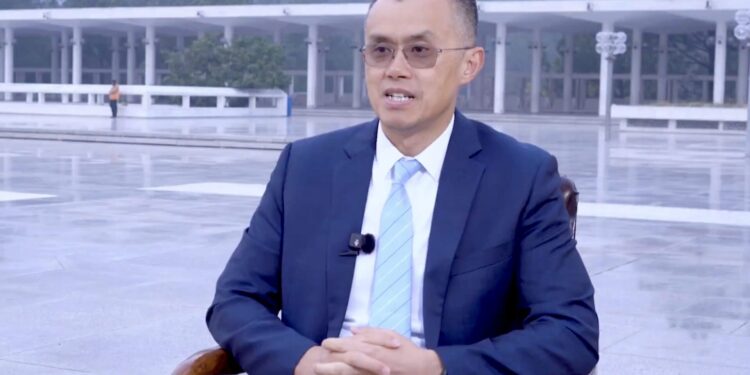
This vision was recently highlighted in a video discussion released by the Pakistan Virtual Assets Regulatory Authority (PVARA). During a conversation with Bilal Bin Saqib, CEO of the Pakistan Crypto Committee, CZ commended Islamabad’s “clear vision of leadership” and its capacity to “move forward at this speed.” He attributed this rapid progress to Pakistan’s vibrant, tech-savvy youth—with over 60% of the population under 30—who are actively driving demand for digital innovation.
A conversation between Changpeng Zhao (@cz_binance), Founder of Binance and Chairman PVARA, @BilalBinSaqib on the future of crypto in Pakistan.
From Pakistan’s potential to tokenization and what comes next for the virtual asset economy.
Timestamps:
– Why Pakistan for Crypto?:… pic.twitter.com/ILGHOMBdWY
— Pakistan Virtual Assets Regulatory Authority (@PakistanVARA) December 30, 2025
“It’s amazing to see such a large country able to have such a clear vision of leadership and to move forward at such a fast pace,” CZ remarked. “If we continue at this pace for five years, Pakistan will be one of the leaders in the crypto space, or one of the global leaders in the crypto space.”
Pakistan’s journey into the crypto sphere marks a significant pivot. Historically cautious, with a partial ban on digital assets dating back to 2018, the nation underwent a transformative shift in 2025. July saw the establishment of PVARA, an autonomous federal regulatory body operating under the Virtual Assets Ordinance. This pivotal agency is now tasked with licensing virtual asset service providers, ensuring Anti-Money Laundering (AML) compliance, and conducting investigations, signaling a structured approach to integration.
Further cementing its commitment, the Pakistani government announced a groundbreaking strategic Bitcoin reserve in May. This initiative involves allocating 2,000 megawatts of surplus electricity for Bitcoin mining, effectively leveraging excess energy to build and maintain digital asset holdings indefinitely. This move is a cornerstone of the nation’s broader digital finance strategy, aiming to capitalize on emerging economic opportunities.
In a major development in December, Binance formalized its partnership with Pakistan, focusing on accelerating digital asset growth and bolstering regulatory frameworks. Binance has successfully secured AML registration under PVARA’s guidelines, a crucial step towards obtaining a full license and establishing a local presence. This phased strategy allows Binance to offer AML-compliant cross-border services while progressing towards a comprehensive Virtual Asset Service Provider (VASP) license.
As a strategic advisor to the government-backed Pakistan Crypto Committee—an entity promoting blockchain since its February inception, led by CEO Bilal Bin Saqib—CZ emphasized blockchain’s inherent accessibility. He noted that it offers a significantly lower barrier to entry for entrepreneurs compared to traditional banking or even artificial intelligence, advocating for enhanced education and the establishment of dedicated incubators to foster innovation.
With Bitcoin’s recent surge past $88,000, Pakistan’s proactive stance aligns with a broader trend of emerging markets embracing cryptocurrency. Should the current regulatory momentum be sustained, this could fundamentally reshape Pakistan’s financial landscape. However, skepticism remains regarding the potential gap between ambitious projections and on-ground realities, particularly given existing restrictions. While crypto inflows could potentially alleviate Pakistan’s economic challenges—including reliance on IMF aid and over $30 billion in annual remittances—the nation must navigate risks such as market volatility and potential enforcement vulnerabilities.
Disclaimer: This article provides market information only. All content and views are for reference purposes only and do not constitute investment advice. They do not represent the views and positions of the BlockBeats. Investors should make their own decisions and trades. The author and BlockBeats will not bear any responsibility for direct or indirect losses incurred by investors’ transactions.