US Crypto Regulation Hits Snag: Clarity Act Markup Indefinitely Postponed Amidst Industry Backlash
The path to clear cryptocurrency regulation in the United States has encountered another significant hurdle. The Senate Banking Committee’s highly anticipated markup of the Digital Asset Market Clarity Act (Clarity Act), originally scheduled for January 15, has been indefinitely postponed at the eleventh hour.
This pivotal legislation, designed to shape the future architecture of the U.S. crypto market, faced an abrupt halt following a public withdrawal of support from Coinbase, the nation’s largest cryptocurrency exchange, on Wednesday. Coupled with persistent disagreements among various stakeholders at the negotiating table, the committee was ultimately compelled to hit the pause button on the eve of its scheduled review.
Brian Armstrong, CEO of Coinbase and a key figure in Washington’s policy discussions, took to social media platform X to express his strong disapproval. He vehemently criticized the latest draft, alleging it was riddled with flaws and threatened to regress the industry rather than advance it.
Armstrong contended that while the bill ostensibly aimed to establish order, its substantive provisions were, in fact, deeply detrimental to the sector. His concerns included: implicit restrictions on the growth of “tokenized stocks”; the introduction of prohibitive clauses for decentralized finance (DeFi); an expansion of government access to personal financial records; a perceived weakening of the U.S. Commodity Futures Trading Commission’s (CFTC) regulatory authority; and limitations on stablecoin yields.
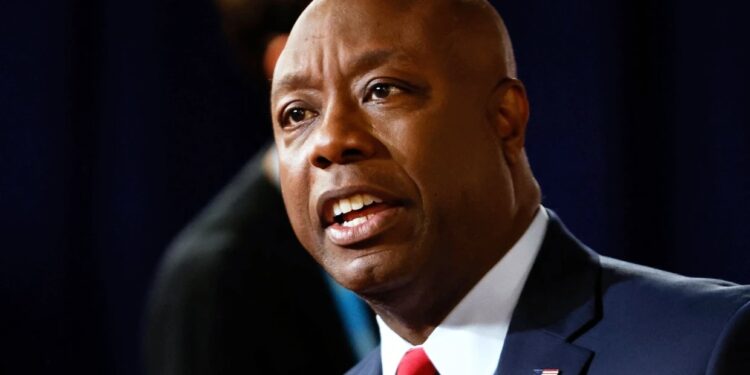
Senator Tim Scott (R), Chairman of the Senate Banking Committee, issued a statement on Wednesday confirming the delay but offered no new date for the bill’s consideration. He emphasized:
“I have engaged with leaders across the cryptocurrency industry, the financial sector, and my Democratic and Republican colleagues, all of whom have participated in negotiations in good faith.”
“This bill represents months of diligent bipartisan deliberation, incorporating insights from innovators, investors, and law enforcement. Our objective remains to establish clear rules that safeguard consumers, bolster national security, and ensure America’s leadership in the future financial system.”
While Coinbase’s eleventh-hour public opposition garnered significant attention, signs of the bill’s impending difficulties had been evident. Senator Scott, despite earlier expressing optimism, had acknowledged the “extreme difficulty” of reconciling all divergent viewpoints before the scheduled markup.
At the heart of the legislative deadlock was the contentious issue of “allowing stablecoin yield mechanisms.” Wall Street banking giants mounted an aggressive lobbying campaign, cautioning lawmakers that permitting cryptocurrency platforms to offer high interest or yield products would pose an existential threat to traditional banks through significant deposit outflows.
This powerful argument successfully swayed several bipartisan members of Congress. According to informed sources, the banking industry’s pushback was so formidable that Senator Scott reportedly could not even guarantee unanimous support from within his own Republican ranks.
Beyond the fundamental clash between traditional finance and the crypto sector, political maneuvering between Democrats and the White House also presented a substantial obstacle.
Democratic senators advocated for the inclusion of stringent “ethics clauses” within the bill, aimed at restricting high-ranking government officials from profiting directly from the cryptocurrency industry. This provision was widely interpreted as a direct response to the crypto ventures associated with former President Trump and his family, such as the recently active World Liberty Financial.
However, reports indicate that these proposed regulations faced repeated resistance from the White House during negotiations, primarily because such rules would directly impact its own existing or planned cryptocurrency engagements.
Senator Scott addressed this particular point on Wednesday, stating that the issue was deemed to fall under the purview of the Senate Ethics Committee, not the Banking Committee, thereby indirectly drawing a line under the dispute.
For years, the cryptocurrency industry has poured astronomical sums into political donations and lobbying efforts, hoping the Digital Asset Market Clarity Act would mark a pivotal milestone in establishing regulatory compliance in the U.S. Now, it finds itself stumbling just short of the finish line.
Earlier, the Senate Agriculture Committee also postponed a related bill until the end of the month. While a chance for both pieces of legislation to eventually merge and pass still exists, the Banking Committee’s recent setback undoubtedly casts a long shadow over the future prospects of U.S. cryptocurrency legislation.
Disclaimer: This article is for market information purposes only. All content and opinions are for reference only and do not constitute investment advice. They do not represent the views or positions of BlockTempo. Investors should make their own decisions and trades. The author and BlockTempo will not bear any responsibility for direct or indirect losses incurred by investors’ transactions.