
Author: ARK Invest
Compiled by: Felix, PANews (Excerpted and abridged)
Unveiling the Future: ARK Invest’s Big Ideas Report Highlights AI and Blockchain’s Transformative Power
Each year, ARK Invest releases its highly anticipated flagship research report, “Big Ideas.” This comprehensive analysis cuts through short-term market noise to identify and interpret the groundbreaking technologies poised to reshape the global economy. In this year’s edition, ARK delves into 13 monumental concepts spanning Artificial Intelligence (AI), Robotics, Energy Storage, Blockchain, Space Exploration, and Multiomics. These innovations are not evolving in isolation; they are creating powerful compounding effects, fundamentally redefining productivity, capital allocation, and competitive advantages across every industry. This article provides an insightful excerpt, focusing on the pivotal domains of AI and Blockchain.
The Era of Great Acceleration: AI as the Core Engine Driving Macroeconomic Transformation
We are witnessing an unprecedented era of technological convergence, with Artificial Intelligence at its very heart. AI acts as the central engine, accelerating the development of five interconnected innovation platforms: AI itself, Public Blockchains, Robotics, Energy Storage, and Multiomics. The synergy among these technologies is profound; advancements in one often unlock new capabilities and accelerate progress in another.
Consider the potential: Reusable rockets could deploy autonomous mobility AI chips into orbit, becoming crucial for scaling next-generation cloud services. Similarly, multiomic data, securely authorized within digital wallets, could power neural networks to drive the development of precision therapies, potentially curing rare diseases.
The world is entering an unparalleled cycle of technology investment. Each of these disruptive technologies possesses the potential for profound, far-reaching macroeconomic impacts, promising a future fundamentally different from the past.
AI Infrastructure: Powering the Intelligence Revolution
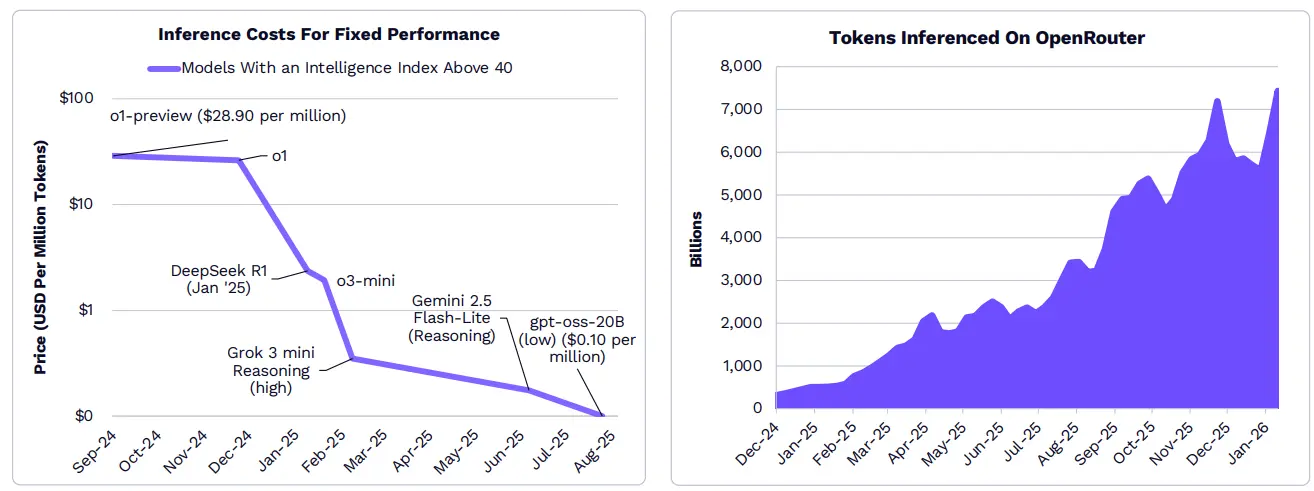
Soaring AI Demand Driven by Declining Inference Costs
The demand for Artificial Intelligence is experiencing exponential growth, primarily fueled by a dramatic reduction in inference costs. Over the past year, some metrics indicate a cost reduction exceeding 99%. This decline, coupled with the proliferation of AI-native applications, is leading to an explosive increase in the number of tokens processed for inference by developers, businesses, and consumers alike. For instance, OpenRouter, a unified API for accessing large language models, has seen its computational demand surge 25-fold since December 2024.
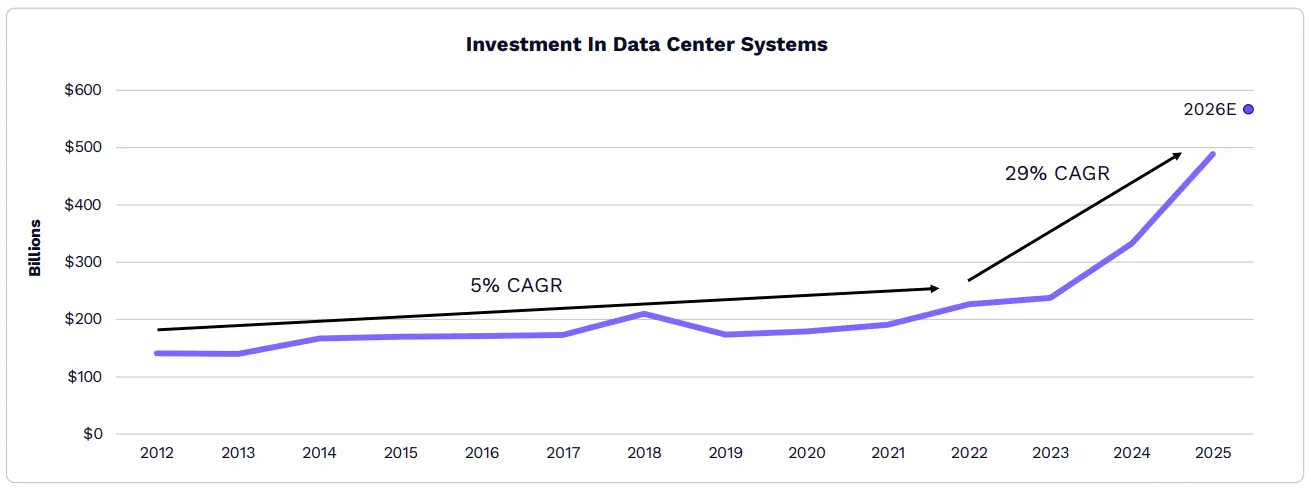
Data Center System Growth Accelerates Post-“ChatGPT Moment”
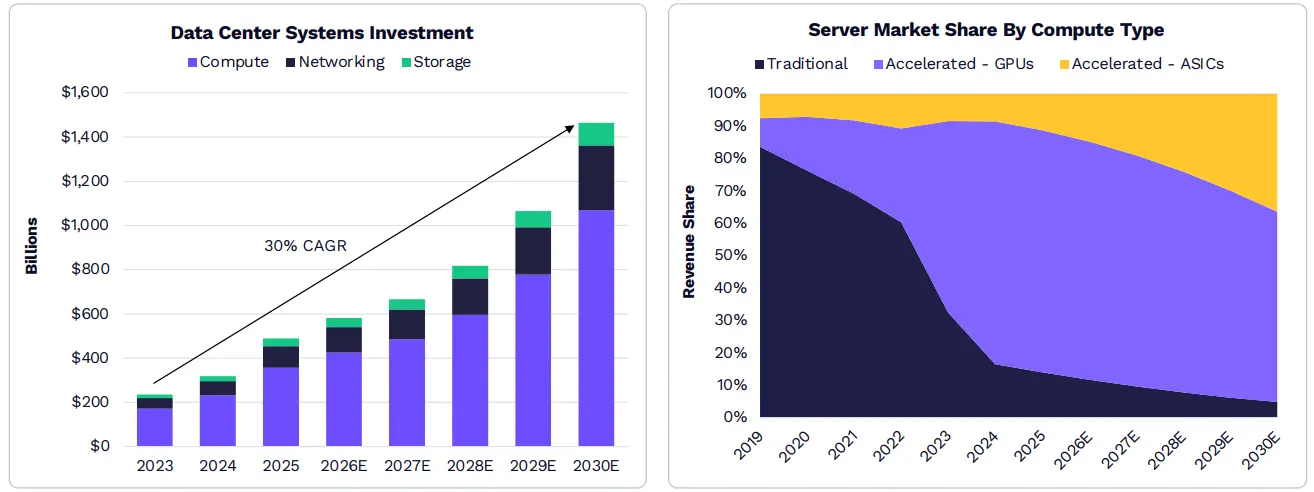
Since the pivotal “ChatGPT moment,” the annual growth rate of data center systems has dramatically accelerated from 5% to 29%, showing a continuous upward trend. By 2025, annual investments in data center systems are projected to reach approximately $500 billion – nearly 2.5 times the average investment observed between 2012 and 2023. ARK Research forecasts this investment trajectory to continue, potentially tripling to an estimated $1.4 trillion by 2030.
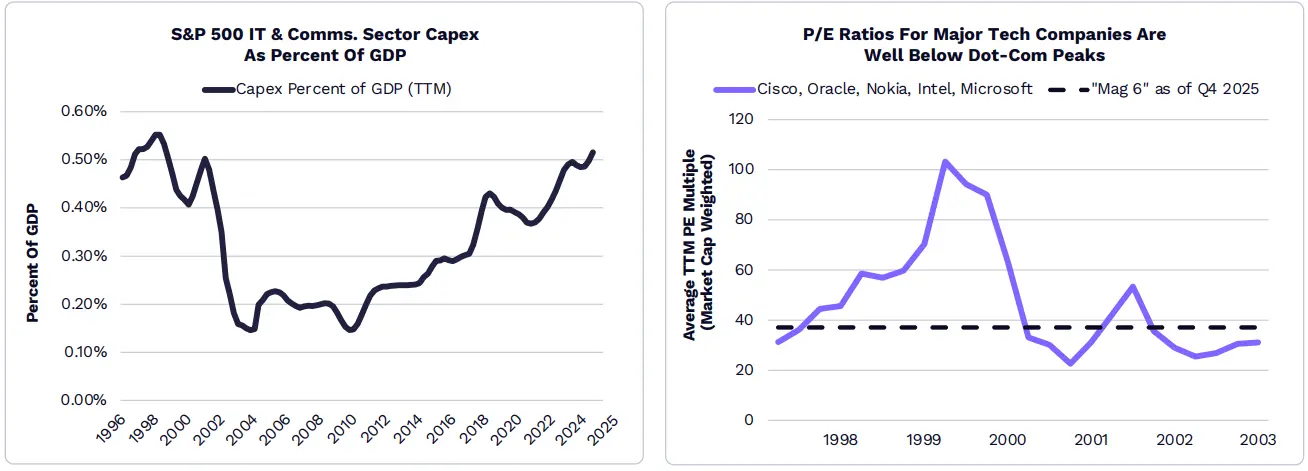
Tech Capital Expenditure Reaches Boom-Era Levels, Yet Valuations Remain Modest
Despite the current surge in investment, tech company valuations remain significantly lower than during past boom periods. ARK Research indicates that hyperscale data center operators’ capital expenditures are set to exceed $500 billion in 2026, nearly triple the $135 billion spent in 2021 (before the ChatGPT craze in 2022). While capital expenditure in the information technology and communication services sectors, as a percentage of GDP, has reached its highest level since 1998, the tech industry’s price-to-earnings (P/E) ratio is far below the peaks seen during the dot-com and telecom bubbles.
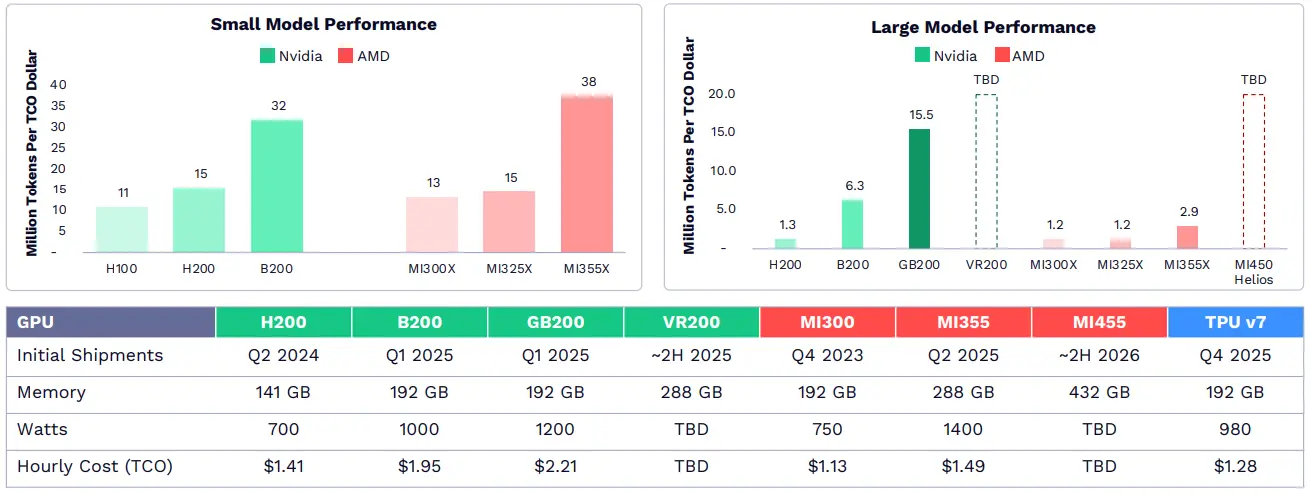
NVIDIA Faces Intensifying Competition in the AI Chip Market
NVIDIA’s early and strategic investments in AI chip design, software, and networking established its dominance, securing an 85% market share for its Graphics Processing Units (GPUs) and achieving 75% gross margins. However, competition is rapidly intensifying. Rivals like AMD and Google have made significant strides, particularly in areas such as small language model inference. Nevertheless, NVIDIA’s Grace Blackwell rack-scale systems currently lead the charge in large model inference, powering the most advanced foundational models.
Sustainable Growth in AI Infrastructure Driven by Persistent Demand
As AI workloads become ubiquitous across enterprise and consumer environments, AI infrastructure investment is projected to exceed $1.4 trillion by 2030, with a substantial portion allocated to accelerated servers. ARK Research suggests that Application-Specific Integrated Circuits (ASICs), designed by companies such as Broadcom and Amazon’s Annapurna Labs, will continue to gain market share as AI labs and hyperscale enterprises actively seek cost-effective computational power.
Bitcoin: Solidifying Its Role as a Leading Institutional Asset
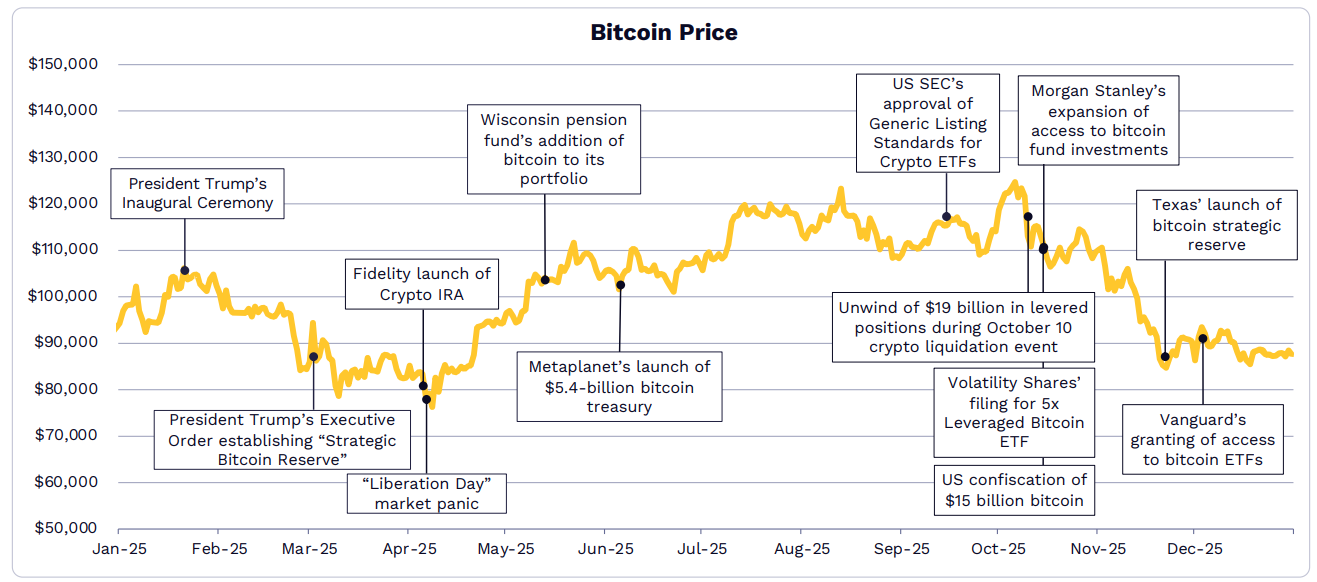
Bitcoin is steadily emerging as the preeminent asset within a new institutional asset class.
Institutional Holdings Surge: US ETFs and Public Companies Own 12% of All Bitcoin
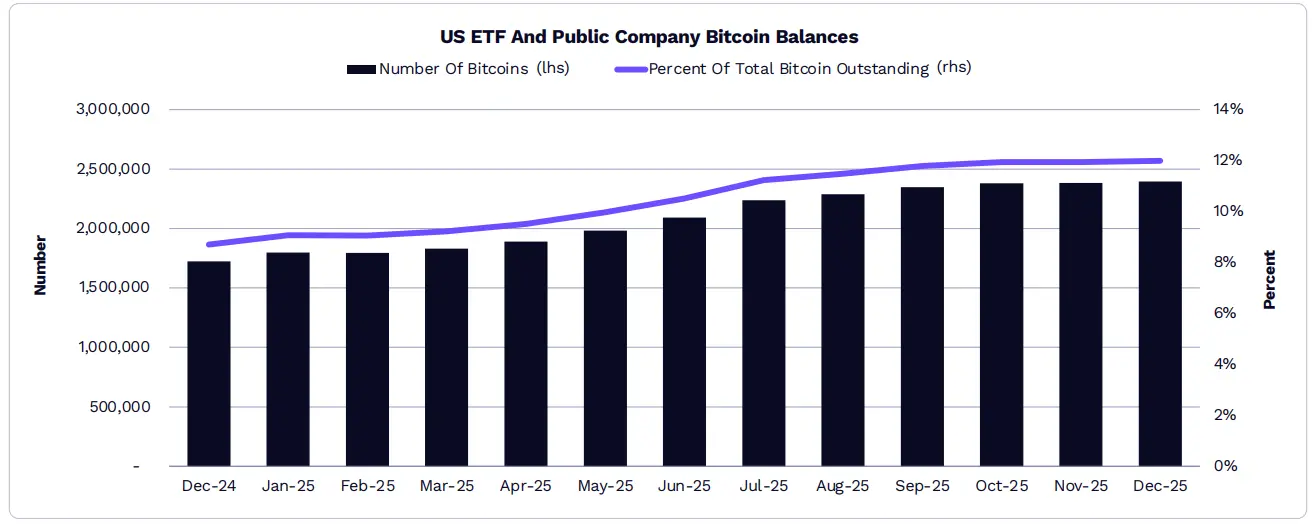
The landscape of Bitcoin ownership is shifting, with a notable increase in institutional adoption. In 2025, Bitcoin ETF holdings grew by 19.7%, from approximately 1.12 million to 1.29 million BTC. Concurrently, public companies boosted their Bitcoin reserves by a significant 73%, increasing from roughly 598,000 to 1.09 million BTC. This combined institutional footprint means that the total Bitcoin held by ETFs and public companies rose from 8.7% to 12% of the total supply.
Bitcoin’s Superior Risk-Adjusted Returns Outperform the Broader Crypto Market
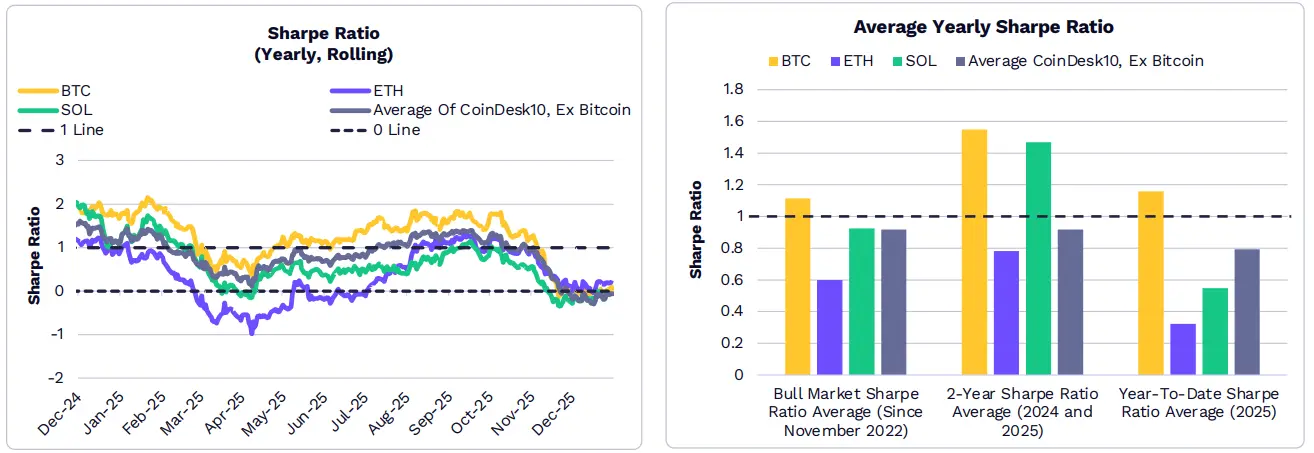
Historically, Bitcoin has consistently delivered higher risk-adjusted returns (Sharpe Ratio) compared to the overall cryptocurrency market. Throughout most of 2025, Bitcoin’s risk-adjusted performance surpassed that of most other large-cap cryptocurrencies and indices. Since the cycle low in November 2022, early 2024, and early 2025, Bitcoin’s average annualized Sharpe Ratio has also exceeded Ethereum, SOL, and the average of the other nine constituent coins in the CoinDesk 10 Index.
Reduced Volatility: Bitcoin’s Price Declines from All-Time Highs Moderate in 2025
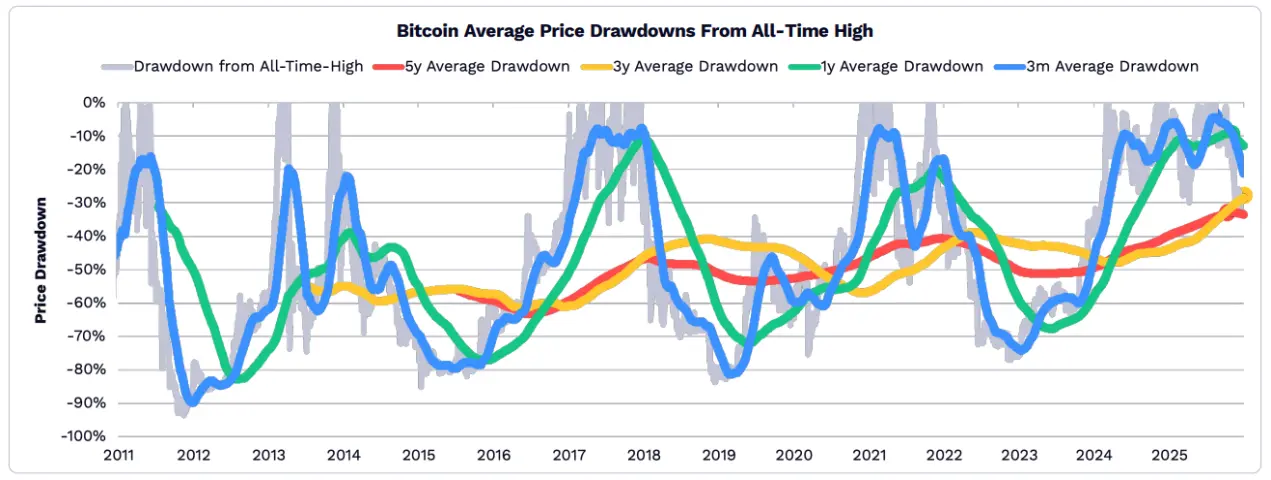
As Bitcoin increasingly assumes the role of a safe-haven asset, its volatility has shown signs of moderation. Across 5-year, 3-year, 1-year, and 3-month timeframes, Bitcoin’s average declines from its historical peak were notably flatter in 2025 compared to previous periods, indicating a maturing asset class.
ARK’s Bitcoin Forecast Remains Stable Despite Evolving Assumptions
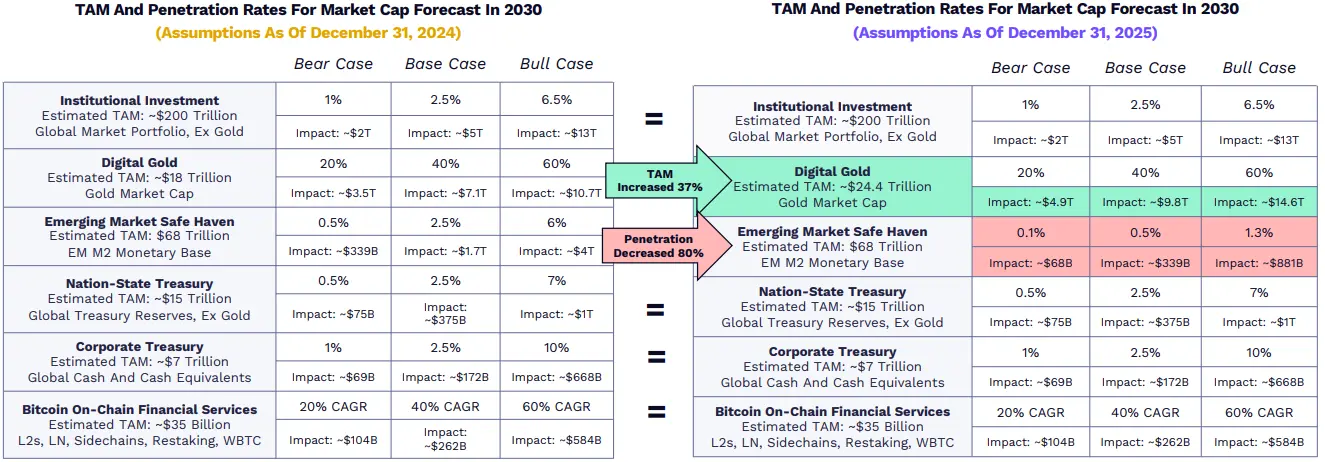
ARK’s long-term forecast for Bitcoin by 2030 has remained remarkably consistent, even as two key underlying assumptions have evolved. Firstly, Bitcoin’s Total Addressable Market (TAM) as “digital gold” grew by 37% after gold’s market capitalization surged by 64.5% in 2025. Secondly, its projected penetration as a safe-haven asset in emerging markets decreased by 80%, reflecting the rapid adoption of stablecoins in developing nations.
Digital Asset Market Cap Projected to Reach $28 Trillion by 2030
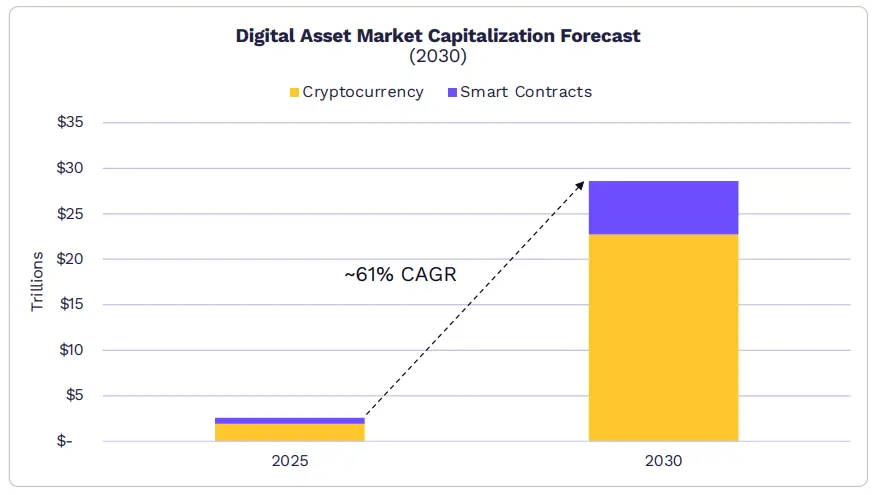
The combined market capitalization for smart contracts and pure digital currencies (the latter serving as stores of value, mediums of exchange, and units of account on public blockchains) is projected to grow at an annual rate of approximately 61%, reaching an astounding $28 trillion by 2030. ARK anticipates Bitcoin will capture a significant 70% of this market share, with the remainder dominated by smart contract networks such as Ethereum and Solana.
- According to ARK’s projections, Bitcoin is poised to dominate the cryptocurrency market over the next five years, growing from nearly $2 trillion to approximately $16 trillion by 2030, at a Compound Annual Growth Rate (CAGR) of about 63%.
- The market capitalization of smart contracts could expand at an annual rate of 54%, reaching around $6 trillion by 2030, generating an annualized revenue of approximately $192 billion with an average fee rate of 0.75%.
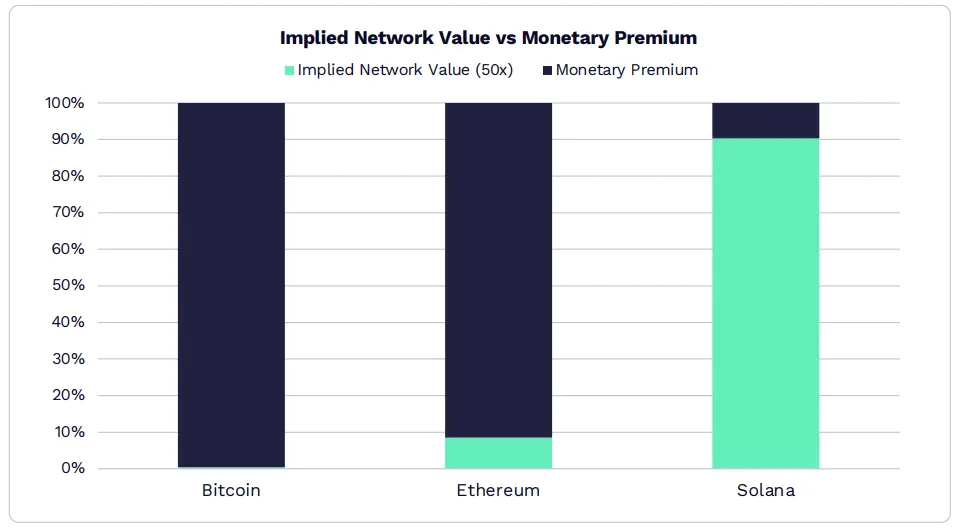
- While two to three Layer-1 platforms are expected to command the majority of the market share, their valuations will be driven more by their monetary premium (store of value and reserve asset characteristics) than by discounted cash flows.
Tokenized Assets: Reshaping Finance with On-Chain Innovation
Regulatory Clarity from the GENIUS Act Spurs Stablecoin and Tokenization Strategies
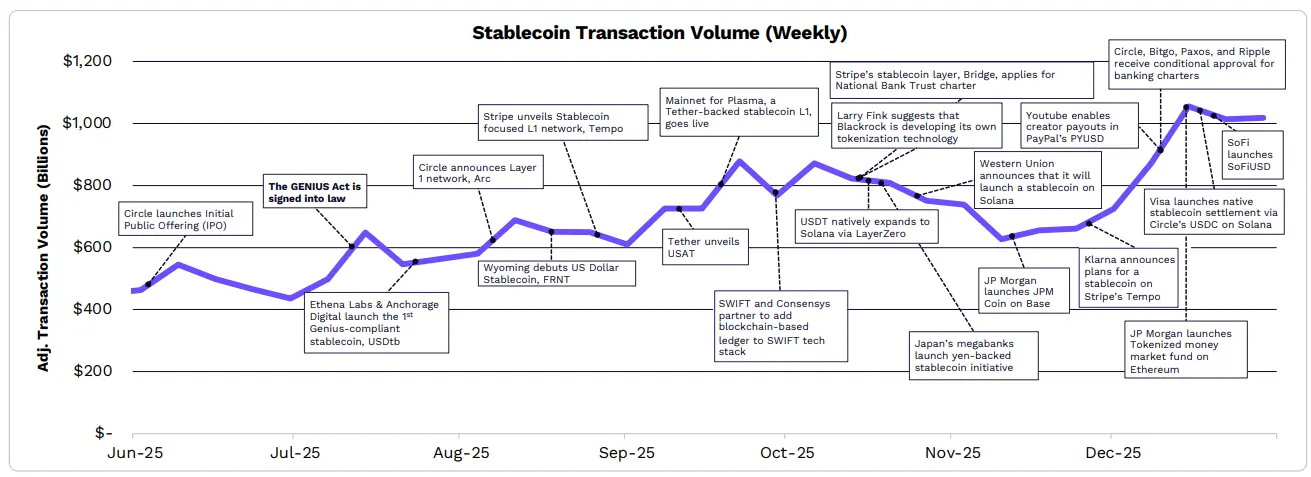
The introduction of the “GENIUS Act” has brought much-needed regulatory clarity, prompting financial institutions to actively re-evaluate and accelerate their stablecoin and tokenization strategies. This legislative development has fueled a surge in stablecoin activity to unprecedented levels. Numerous companies and institutions have announced plans to launch their own stablecoins, while BlackRock has revealed its preparations for an internal tokenization platform. Major stablecoin issuers and FinTech giants like Tether, Circle, and Stripe are actively launching or supporting Layer-1 blockchains optimized for stablecoin operations.
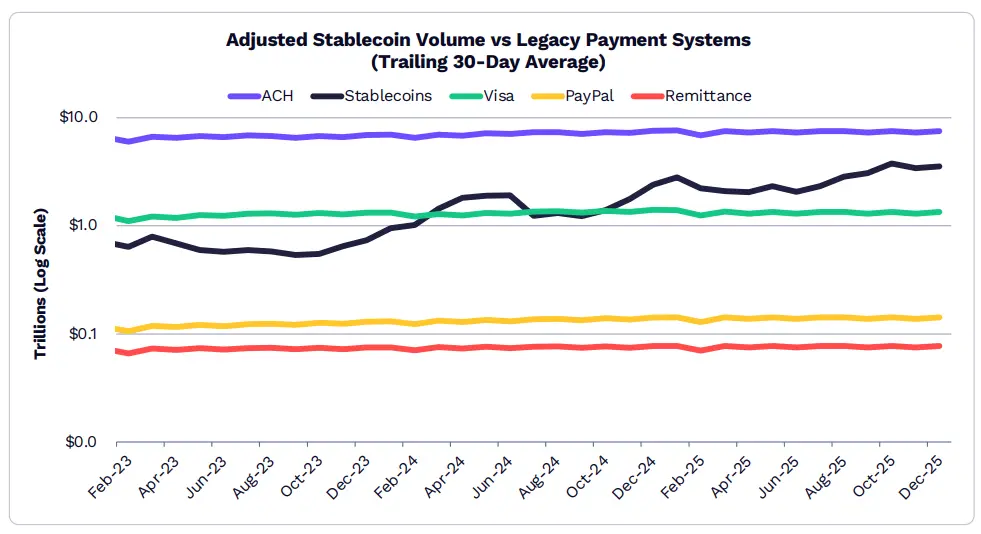
Stablecoin Transaction Volume Surpasses Traditional Payment Systems, Reaching $3.5 Trillion in December
In December 2025, the 30-day moving average of stablecoin transaction volume hit an astonishing $3.5 trillion, representing 2.3 times the combined value of transactions processed by Visa, PayPal, and traditional remittances. Circle’s USDC dominated transaction volume with approximately a 60% share, followed by Tether’s USDT at around 35%. In 2025, the total stablecoin supply grew by roughly 50%, expanding from $210 billion to $307 billion, with USDT and USDC accounting for 61% and 25% respectively. Notably, Sky Protocol emerged as the only stablecoin issuer beyond the established leaders to surpass a $10 billion market capitalization by the end of 2025, and PayPal’s PYUSD saw its market cap grow over sixfold to $3.4 billion.
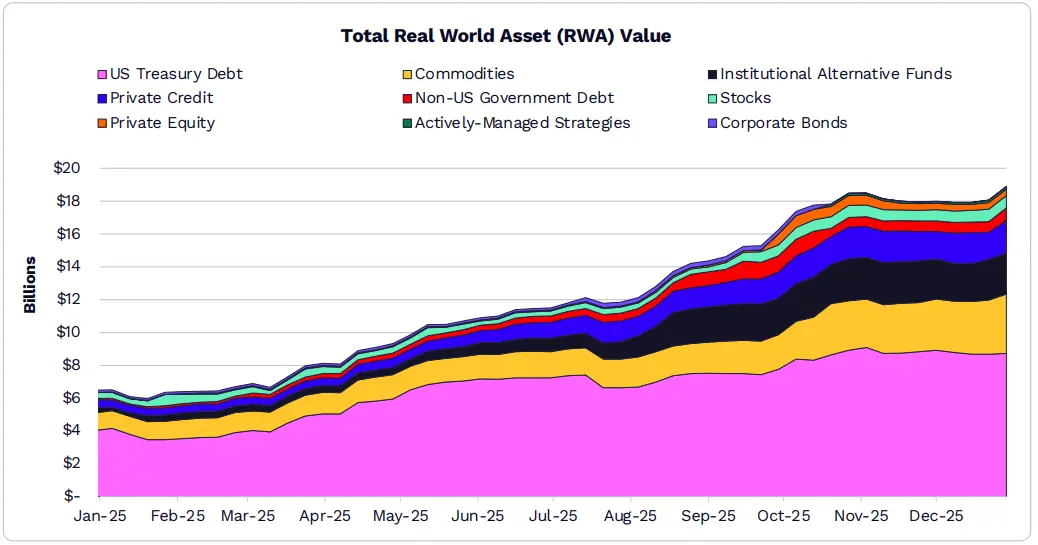
Tokenized Asset Market Triples to $19 Billion in 2025, Led by US Treasuries and Commodities
The market for Real-World Assets (RWAs) experienced explosive growth in 2025, tripling by 208% to reach $18.9 billion. BlackRock’s $1.7 billion BUIDL money market fund stands as one of the largest products, representing 20% of the $9 billion in tokenized US Treasuries. Tokenized gold products from Tether (XAUT) and Paxos (PAXG) lead the tokenized commodity market with market capitalizations of $1.8 billion and $1.6 billion respectively, collectively comprising 83% of the segment. Tokenized public equities also saw significant development, approaching $750 million.
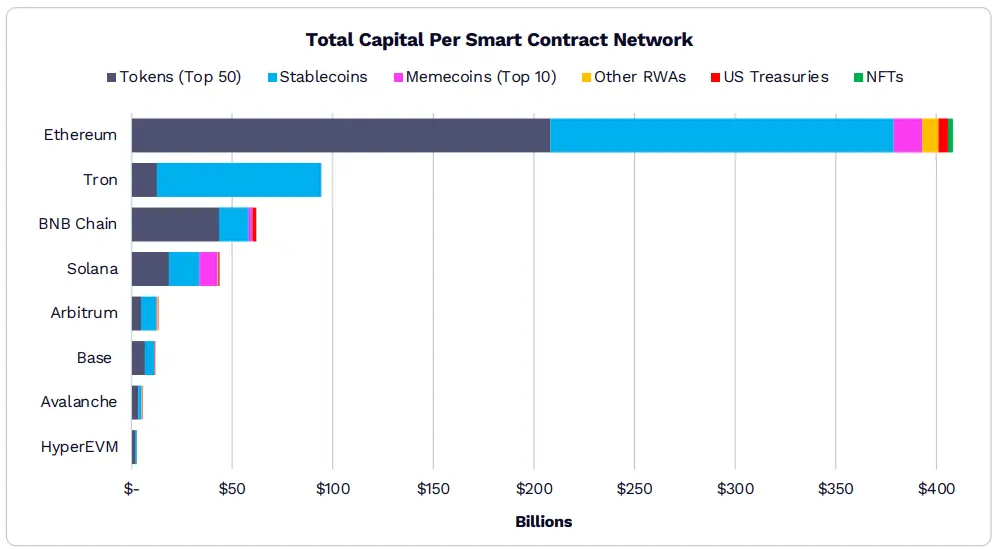
Ethereum Remains the Preferred Blockchain for On-Chain Assets
Ethereum continues to be the blockchain of choice for on-chain assets, with a total asset value now exceeding $400 billion. Across seven of the eight most popular blockchains, 90% of their market capitalization is underpinned by central stablecoins and top 50 tokens. While meme coins represent approximately 3% or less of asset market capitalization on blockchains other than Solana, they account for around 21% of Solana’s on-chain assets. The tokenization of RWAs is poised to become one of the fastest-growing categories, as the vast majority of global value currently resides off-chain, presenting the largest opportunity for on-chain adoption.
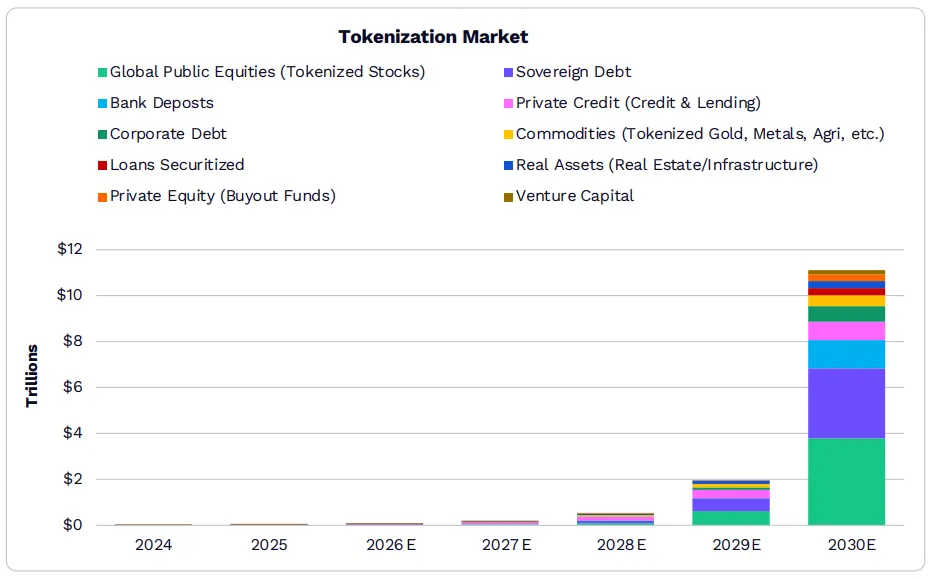
Global Tokenized Asset Market Projected to Exceed $11 Trillion by 2030
ARK’s research forecasts the tokenized asset market to grow from $19 billion to over $11 trillion by 2030, at which point it would represent approximately 1.38% of all financial assets. While sovereign debt currently dominates the tokenization landscape, the on-chain value of bank deposits and global listed equities is expected to surpass current levels significantly within the next five years. ARK believes that widespread adoption of tokenization hinges on further regulatory clarity and continuous improvements in institutional-grade infrastructure.
Traditional Enterprises Build Proprietary On-Chain Infrastructure to Expand Influence
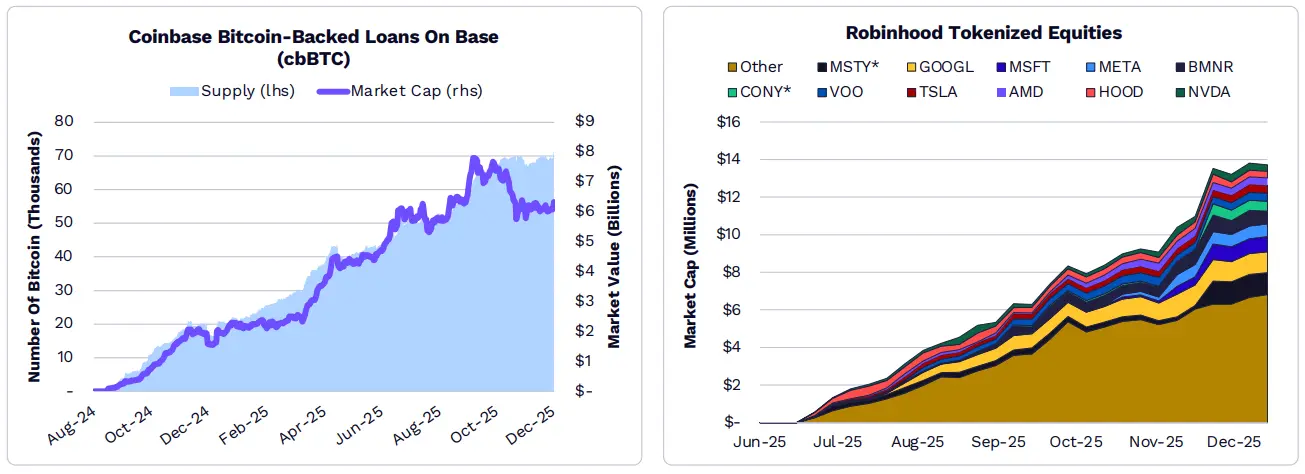
A growing trend sees traditional enterprises actively developing their own on-chain infrastructure to deepen their engagement with the blockchain ecosystem. Companies like Circle (Arc), Coinbase (Base, cbBTC), Kraken (Ink), OKX (X Layer), Robinhood (Robinhood Chain), and Stripe (Tempo) are launching their branded Layer-1 or Layer-2 networks. These proprietary platforms are designed to support their specific product offerings, including Bitcoin-backed loans, tokenized stocks and ETFs, and stablecoin-based payment channels, signaling a significant shift towards integrated blockchain solutions.
DeFi Applications: The Shifting Landscape of Digital Asset Value Capture
Value Capture Migrates from Networks to Applications
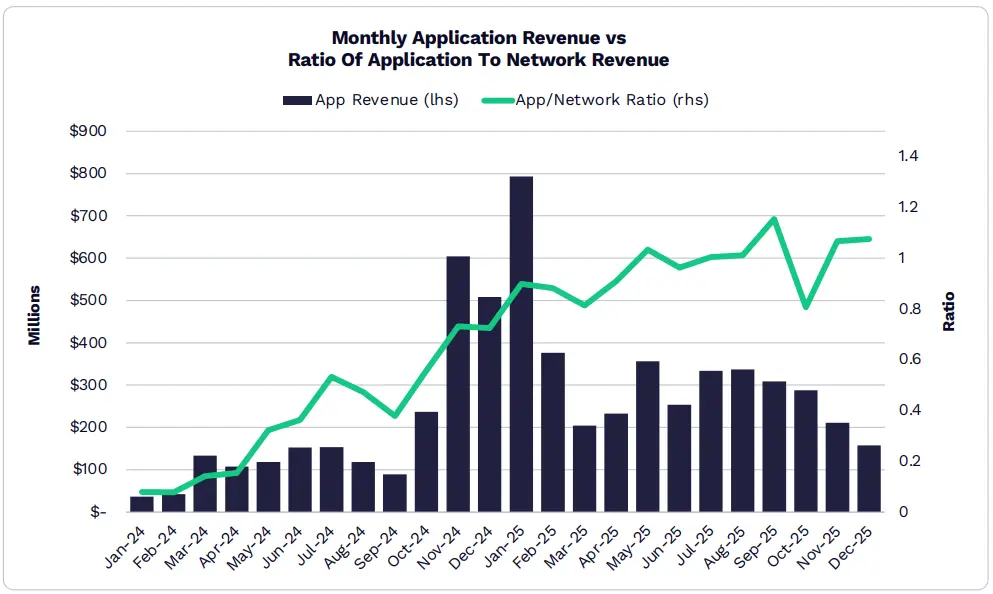
The paradigm of digital asset value capture is undergoing a significant transformation, shifting from foundational networks to the application layer. Networks are increasingly evolving into public utilities, thereby transferring user economic benefits and profit margins to the applications built upon them. Led by innovators like Hyperliquid, Pump.fun, and Pancakeswap, total application revenue reached an all-time high of approximately $3.8 billion in 2025. Remarkably, one-fifth of all application revenue in 2025 was generated in January alone, marking it as the highest monthly revenue on record. Currently, over 70 applications and protocols boast a Monthly Recurring Revenue (MRR) exceeding $1 million.
DeFi and Stablecoin Issuers Rapidly Catching Up to FinTech Giants
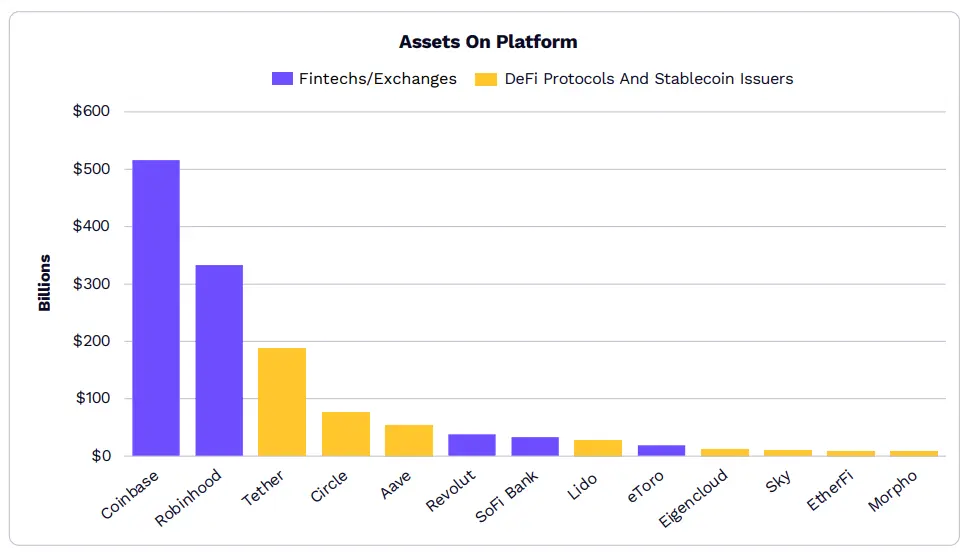
The asset scale of DeFi protocols and stablecoin issuers is rapidly closing the gap with many traditional FinTech companies, signaling a clear convergence between conventional and on-chain financial infrastructure. DeFi protocols, such as liquid staking and lending platforms, are attracting significant institutional capital and expanding at an accelerated pace. All of the top 50 DeFi platforms have now entered the “billion-dollar club” in terms of Total Value Locked (TVL), with the top 12 protocols each exceeding $5 billion.
Hyperliquid, Tether, and Pump.fun Lead as Globally Most Revenue-Efficient Companies
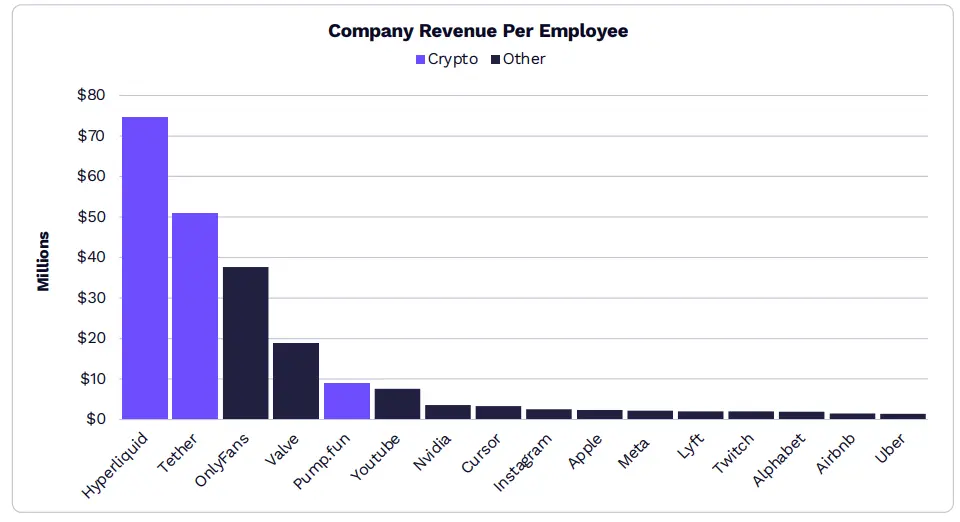
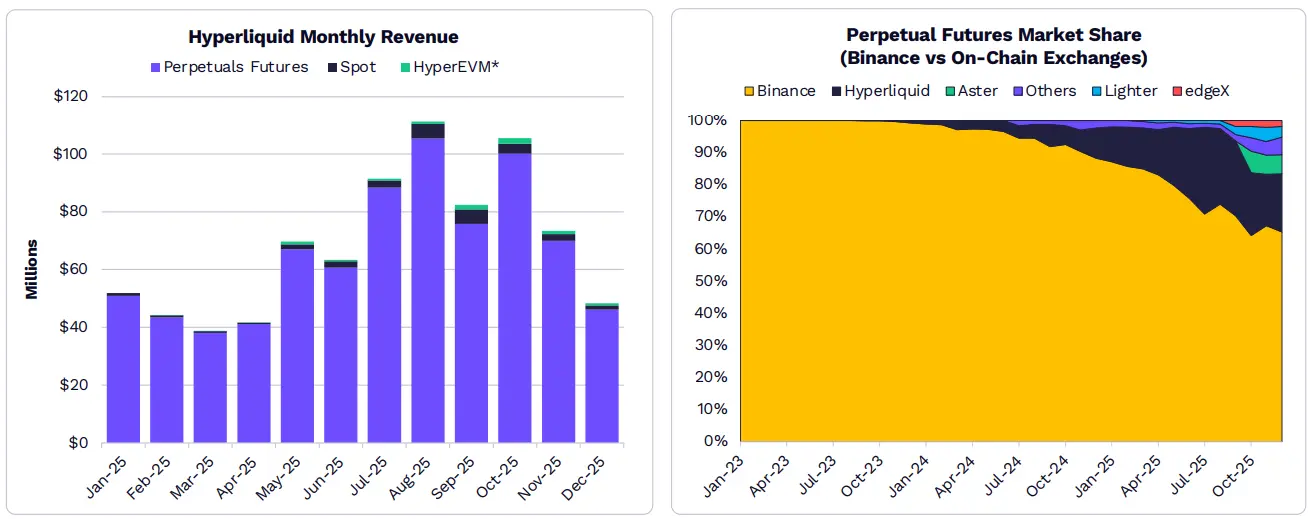
By 2025, companies like Hyperliquid, Tether, and Pump.fun have distinguished themselves as some of the most revenue-efficient entities globally. Hyperliquid, with a lean team of just 15 employees, generated over $800 million in annual revenue. Through its strategic focus on on-chain verticals like perpetual contracts, stablecoins, and meme coins, Hyperliquid is attracting users and capital at an astonishing scale, demonstrating a strong product-market fit. These on-chain businesses and protocols are fundamentally redefining productivity, showcasing how small teams can achieve revenue and profitability comparable to world-class enterprises.
DeFi Derivatives, Spearheaded by Hyperliquid, Capture Perpetual Futures Market Share from Centralized Exchanges
The decentralized finance (DeFi) derivatives sector is making significant inroads into the perpetual futures market, progressively capturing market share from traditional centralized exchanges like Binance, with Hyperliquid leading this charge.
Layer-1 Networks Evolve from Revenue-Generating to Monetary Assets
Layer-1 networks are undergoing a fundamental evolution, transitioning from primarily revenue-generating entities to digital monetary assets. Based on a 50x revenue multiple, over 90% of Ethereum’s market capitalization is attributable to its role as a monetary asset. Conversely, Solana, which generated $1.4 billion in revenue, demonstrates that 90% of its valuation stems from network utility. ARK Research posits that only a select few digital assets will successfully retain their monetary properties, establishing themselves as highly liquid stores of value.
(The above content has been excerpted and reproduced with authorization from our partner PANews. Original Link)
Disclaimer: This article is for market information purposes only. All content and views are for reference only and do not constitute investment advice. They do not represent the views and positions of BlockTempo. Investors should make their own decisions and trades. The author and BlockTempo will not bear any responsibility for direct or indirect losses incurred by investors’ transactions.