Author: Ariel, CryptoCity
Meta’s New AI Patent: Your Digital Twin Could Keep Posting After You’re Gone
Imagine your social media presence living on, actively posting and interacting, even after you’ve passed away. This intriguing, and perhaps unsettling, prospect is at the heart of a new patent recently granted to Meta. As reported by Business Insider, the tech giant is exploring AI-powered bots designed to maintain the activity of deceased users’ accounts on platforms like Instagram, Facebook, and Threads. This development ignites a crucial public debate: should our digital footprints be granted a form of immortality?
How Meta’s AI Digital Clone Works
Delving into the patent documentation, Meta outlines the rationale behind this groundbreaking technology. The company posits that when users cease posting – whether for a temporary social media hiatus or due to death – the follower experience suffers. The absence of a user, particularly a permanent one, can create a significant emotional void for their community.
To address this, Meta envisions creating a ‘digital clone’ of a user’s social account. This AI model would be meticulously trained on an individual’s complete historical activity data, encompassing comments, likes, and published content. The goal is to deeply understand and authentically mimic the user’s unique behavioral patterns. This sophisticated digital doppelgänger could then engage with other users’ content by liking, commenting, and even responding to private messages.
Beyond addressing grief, Meta highlights the practical utility for influencers and content creators who rely on social platforms for their livelihood but may require temporary breaks. The patent further extends the capabilities to include large language models (LLMs) simulating video and voice calls, adding another layer of interactive realism.
Digital Legacy Management: Meta and Microsoft’s Foresight
The concept of managing digital legacy is not new territory for Meta. For over a decade, the company, through Facebook, has offered tools allowing users to appoint a ‘legacy contact’ to manage their account post-mortem.
Meta CEO Mark Zuckerberg himself has publicly explored the implications of such technology. In a 2023 interview with prominent podcaster Lex Fridman, Zuckerberg discussed the potential for creating virtual avatars of deceased individuals, suggesting these could offer meaningful solace to grieving families.
Crucially, Meta isn’t alone in this technological frontier. Microsoft, in 2021, secured its own AI chatbot patent. This rival technology similarly aims to simulate the interaction patterns of deceased individuals, extending even to fictional characters or public figures, underscoring a broader industry interest in digital immortality.
Netizens React with Black Mirror Comparisons; Meta Clarifies
The public unveiling of Meta’s AI patent has ignited a firestorm of criticism across platforms like Reddit, with significant concerns raised regarding fraud prevention and the ethical implications of such technology.
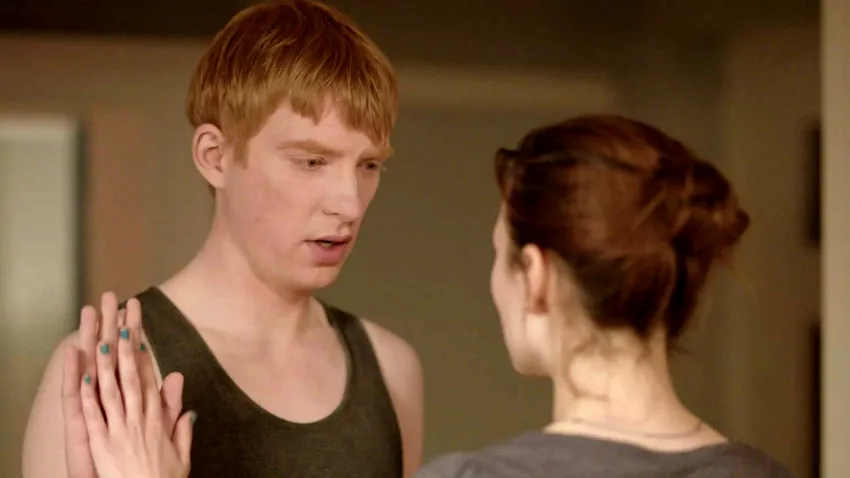
Many users expressed profound unease, describing the prospect of an AI clone of a deceased loved one attempting to reconnect as ‘terrifying’ and potentially ‘mentally collapsing.’ A common refrain was the striking resemblance to the ‘Be Right Back’ episode from the popular sci-fi series Black Mirror, which famously depicted the use of AI to recreate deceased family members. Commentators lamented that fictional dystopia now seems to be mirroring reality.
Further anxieties revolve around the potential commercialization of digital remains. Critics fear Meta might leverage the digital personas of the deceased to generate engagement and advertising revenue. This raises urgent questions about the necessity of a ‘digital will’ to prevent posthumous digital doppelgängers from being exploited for product promotion or expressing views contrary to the individual’s wishes during their lifetime.
In response to the public outcry, a Meta spokesperson issued a clarification: the company files patents to explore and disclose concepts, and the acquisition of a patent does not inherently signify that the technology will be advanced, developed, or implemented.
Let the Deceased Rest: Scholars Urge Acceptance of Loss
The convergence of AI technology and the profound experience of grief has sparked a vital discussion: does such innovation truly comfort the bereaved, or does it merely offer an escape from the necessary process of mourning?
Joseph Davis, a sociology professor at the University of Virginia, voices significant concerns, fearing that these ‘AI clones’ could fundamentally alter the human experience of grief. He emphasizes that a crucial component of mourning is confronting and accepting the reality of loss.
Davis strongly advocates for society to allow the deceased to rest in peace. He argues that the notion of ‘bringing back’ the dead through AI clones is a superficial imitation, not a true resurrection. This technological mimicry, he warns, risks causing psychological confusion and prolonged distress, potentially hindering genuine healing.
(This content is an authorized excerpt and reproduction from our partner, CryptoCity.)
Disclaimer: This article provides general market information and commentary for informational purposes only. It does not constitute investment advice, nor does it necessarily reflect the views or positions of Blockcast. Readers are encouraged to conduct their own research and make independent investment decisions. Neither the author nor Blockcast will be held responsible for any direct or indirect losses incurred from investment actions based on this content.