
By Fenrir, CryptoCity
CLARITY Act Draft Signals Major Shift for Stablecoin Yield Models
Circle’s Stock Plummets as Regulatory Hurdles Emerge for Passive Returns
The stablecoin ecosystem is bracing for significant changes following the recent release of the U.S. Congress’s “CLARITY Act” draft. This legislative proposal has sent ripples through the market, most notably causing stablecoin issuer Circle (NYSE: CRCL) to experience a near 20% single-day stock price drop, highlighting acute investor concern.
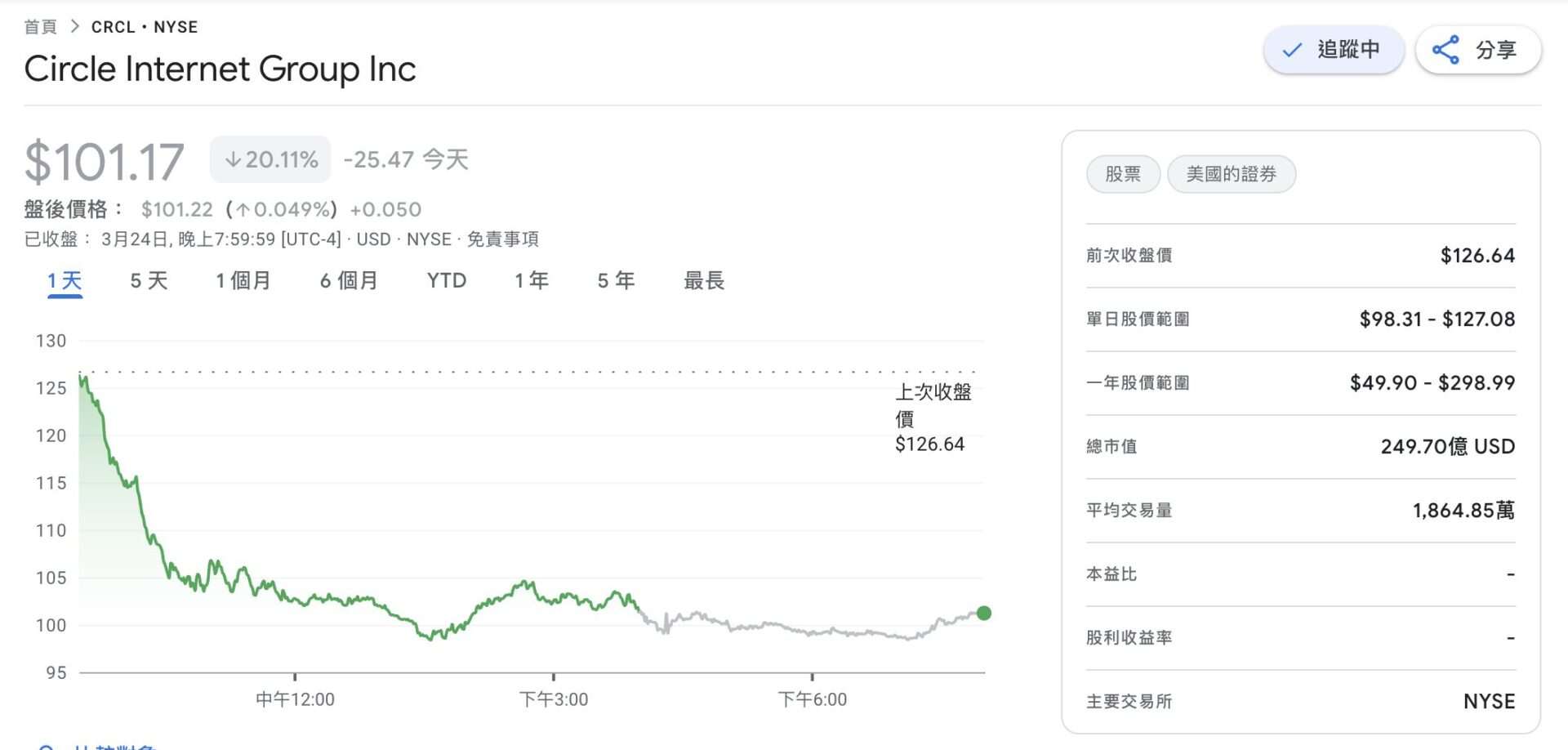
At the heart of the market’s apprehension is the draft act’s potential to severely restrict stablecoin yield mechanisms. According to insights shared by former Fox Business reporter and prominent crypto commentator Eleanor Terrett, regulators are reportedly planning to prohibit any form of passive yield offered for merely “holding stablecoin balances.” This extends to any design economically or functionally equivalent to traditional bank deposit interest, encompassing both direct and indirectly distributed rewards via platforms.
This legislative push is largely perceived as a direct response to long-standing concerns voiced by the traditional banking sector. Banks have consistently argued that if stablecoins were to offer competitive, interest-like returns, it would inevitably draw capital away from conventional deposit accounts, potentially disrupting established financial flows and competitive dynamics within the broader financial system.
USDC’s Business Model Under Threat: A Ripple Effect on Circle and Coinbase
While leading stablecoins like USDC do not directly pay interest to their holders, their underlying business models are deeply intertwined with interest rate environments. Circle, the issuer of USDC, strategically allocates its reserve assets into low-risk instruments such as short-term U.S. Treasury bills. The interest generated from these investments forms a crucial revenue stream, a portion of which is then shared with partner platforms like Coinbase, often translating into user rewards.
Market analysts suggest that the formal implementation of the CLARITY Act could effectively dismantle this “yield transfer” model. Such a move would directly diminish the attractiveness of stablecoins as a holding asset, potentially reducing capital inflows. The immediate impact was evident in Coinbase’s stock performance, which mirrored Circle’s decline with a nearly 10% drop, underscoring the market’s recognition of stablecoin yield as a vital revenue component for the broader crypto ecosystem.
Beyond immediate financial implications, there’s growing concern that these yield restrictions could hinder stablecoins’ evolution from simple “payment tools” to more sophisticated “value storage instruments.” This could relegate their primary utility back to basic transactional functions, rather than allowing them to develop into financial products with attractive investment attributes.
Market Volatility and the Shifting Landscape of Crypto Valuation
The recent plunge in Circle’s stock is particularly noteworthy given its previous trajectory. The company’s shares had soared by over 170% from a February low of approximately $50 to more than $130. Against such a backdrop of rapid growth, even a hint of adverse policy news can trigger amplified market reactions and sharp corrections.
While some analysts argue that the market’s response might be an overreaction, pointing to the continued double-digit year-on-year growth in overall stablecoin usage and USDC circulation, the underlying message is clear: investors are now rigorously re-evaluating the long-term impact of regulatory policies on the commercial viability of stablecoin business models.
Adding another layer of complexity, competitor Tether (USDT) recently announced plans to engage four major accounting firms for a comprehensive audit. Should Tether successfully enhance its transparency and credibility through this initiative, it could potentially attract further institutional capital, exerting competitive pressure on Circle’s market share.
Uncertainty Ahead: Navigating the Future of Stablecoin Yield
It is crucial to remember that the CLARITY Act remains in its draft and negotiation stages, with several provisions yet to be finalized. Early indications suggest that reward mechanisms not directly tied to mere “holding” of stablecoins, but rather to activities such as trading or providing liquidity, might still be permissible. However, the precise regulatory boundaries for these distinctions await further clarification from supervising bodies.
Market observers speculate that even with tighter yield restrictions, the industry may innovate alternative engagement strategies, such as membership programs or fee rebates, to maintain user loyalty. Furthermore, the proposed act’s jurisdiction is limited to U.S.-based operators, implying that offshore markets and decentralized finance (DeFi) protocols could potentially continue to offer existing yield models, creating a fragmented regulatory landscape.
Ultimately, the recent market turbulence underscores a critical trend: as stablecoins increasingly integrate into the mainstream financial system, regulatory policy has emerged as a paramount variable dictating industry development and enterprise valuation. The path forward for stablecoins will undoubtedly be shaped by how these regulatory challenges are addressed and adapted to.