By Ariel, CryptoCity
Taiwanese Legislator Revives Proposal: Bitcoin and Stablecoins for National Reserves
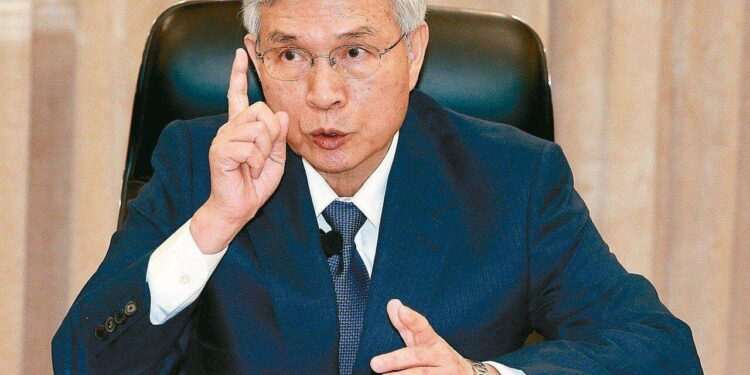
In a significant parliamentary session yesterday, Legislator Ko Ju-Chun reignited discussions with Central Bank of Taiwan (CBT) Governor Yang Chin-Long, proposing the inclusion of Bitcoin and stablecoins as a strategic, albeit small, component of Taiwan’s foreign exchange reserves.
A Strategic Imperative: Digital Assets Amid Geopolitical Tensions
Ko Ju-Chun articulated a compelling vision, emphasizing Taiwan’s unique geopolitical vulnerabilities. He highlighted potential extreme scenarios such as naval blockades or full-scale invasions, asserting that in such crises, Bitcoin’s characteristics—complete accessibility, sovereign independence, and spendability—offer distinct advantages over traditional reserve assets like the US dollar and gold.
Acknowledging the Central Bank’s likely reservations regarding Bitcoin’s inherent price volatility and liquidity risks, Legislator Ko strategically pivoted his recommendation. He suggested that the government could initially focus on stablecoins, which boast relative price stability and superior liquidity. He underscored their benefits: seamless cross-border circulation, rapid transfer speeds, and instant operability within digital environments.
Ko’s advocacy centers on a risk diversification strategy, urging a meticulous assessment of stablecoins as a fractional but crucial strategic reserve tool. This approach, he believes, would foster innovative thinking essential for navigating future national security challenges.

Central Bank’s Cautious Stance: “Times and Circumstances Will Change”
Responding to Legislator Ko’s forward-thinking proposal, Governor Yang Chin-Long affirmed during the interpellation that the Central Bank would indeed consider both Bitcoin and stablecoins. However, he clarified that the CBT’s current stance on incorporating them into strategic foreign exchange reserves remains unchanged.
A report from the Central Bank last year concluded that Bitcoin is presently unsuitable as a reserve asset for Taiwan. Despite recognizing potential benefits like portability in conflict scenarios, significant concerns persist regarding its extreme price volatility, liquidity risks, cybersecurity and custody challenges, and the absence of a mature regulatory framework.
While maintaining the existing conservative position, Governor Yang offered a nuanced perspective, stating that “times and circumstances will change.” He implied that the Central Bank’s decisions would necessitate adjustments as situations evolve.
Within the context of the legislative questioning, this statement is largely interpreted as a conservative articulation, suggesting an openness to future adjustments rather than an immediate shift. The Central Bank’s current willingness to acquire cryptocurrencies for reserves remains notably low.
Stablecoins: Defined as a Digital Evolution of Payment Systems
In its comprehensive assessment of stablecoins last year, the Central Bank categorized them into three primary types based on their collateral assets: those “backed by high-quality assets,” “backed by crypto assets,” and “uncollateralized algorithmic stablecoins.”
The CBT characterized stablecoins as “a digital evolution of payment-type stored-value media, akin to existing electronic payment systems.” The report also noted that the demand for New Taiwan Dollar (NTD)-denominated stablecoins within the cryptocurrency market remains limited, thereby suggesting a minimal impact on the domestic payment system and money supply. Should NTD stablecoins be permitted in the future, they would be subject to reserve requirements similar to those imposed on electronic payment service providers.
Global Central Bank Caution Signals Short-Term Hurdles for Taiwan’s Crypto Reserve Ambitions
The Central Bank’s previous report highlighted a global trend: a staggering 93% of central banks express no intention of holding digital assets. Major international institutions, including the European Central Bank and the US Federal Reserve, consistently adopt a conservative approach to Bitcoin as a reserve asset.
The prevailing sentiment among these institutions is that Bitcoin currently lacks intrinsic value, rendering it unsuitable for the role of a central bank reserve asset.
Interestingly, Taiwan currently holds approximately 210.45 Bitcoins, with a total market value of around US$18 million, seized through criminal investigations. While this places Taiwan among the top 10 government holders of Bitcoin globally, it is crucial to note that these assets originate exclusively from seizures related to financial crimes and illicit activities.
The Ministry of Justice has yet to announce whether these seized Bitcoins will be converted, retained, or integrated into national strategic reserves.
Given the absence of significant international precedents and the Central Bank of Taiwan’s explicitly conservative stance, Legislator Ko’s proposal to incorporate Bitcoin or stablecoins into official foreign exchange reserves appears unlikely to materialize in the short term. Governor Yang’s statement about “times and circumstances changing” is, at present, perceived as cautious rhetoric rather than an indication of imminent policy shifts.
Taiwan’s aspiration for strategic Bitcoin and stablecoin reserves demands a deeper examination through the fundamental principles of foreign exchange reserves, the core responsibilities of a central bank, and the practical applicability of international case studies. The key question remains: Will this vision truly enhance the nation’s financial system, or is it merely a misunderstood technological narrative?
(The content above is excerpted and reproduced with authorization from our partner “CryptoCity”. Original Link)
Disclaimer: This article provides market information only. All content and views are for reference purposes and do not constitute investment advice. They do not represent the views or positions of BlockTempo. Investors should make their own decisions and trades. The author and BlockTempo shall not be held responsible for any direct or indirect losses incurred by investors’ transactions.