
Bitcoin Market on Edge Ahead of Easter: Bearish Pressure Meets Potential Rebound
The Bitcoin market is bracing for a period of heightened tension, described as “high alert” by research and brokerage firm K33. A confluence of factors—including persistent price weakness, escalating geopolitical risks in Iran, and even the looming threat of quantum computing—has created a cautious atmosphere as the traditionally quiet Easter holiday approaches.
Bears Descend: Short Positions Surge to Near-Record Highs
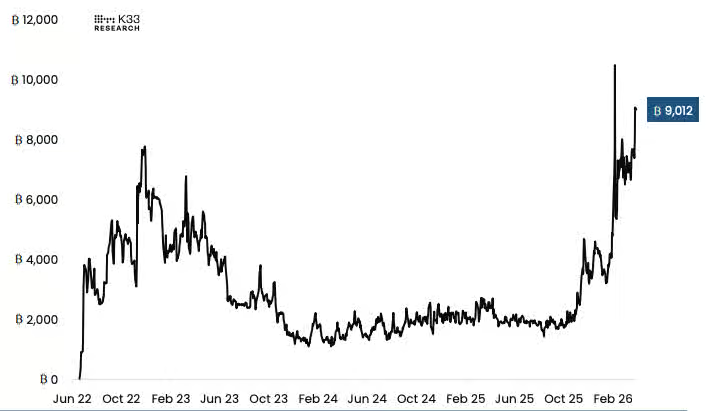
According to Vetle Lunde, Head of Research at K33, these various catalysts have triggered a significant wave of “defensive positioning” across the market. His latest report reveals a dramatic surge in leveraged short Bitcoin ETF exposure, which has skyrocketed by 22% in just a few days to reach 9,012 BTC. This figure marks the second-highest record in history.
“A sharp increase in short positions typically indicates an extreme concentration of bearish forces in the market, signaling that traders are in an exceptionally vigilant defensive posture,” Lunde explained.
Is a Bottom Forming? Negative Funding Rates Hint at Overcrowded Shorts
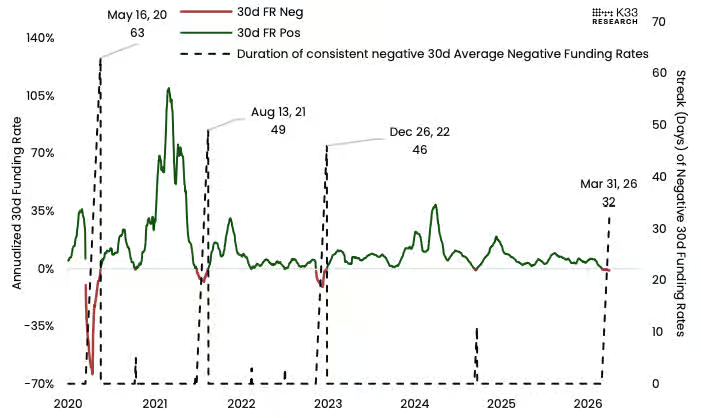
Despite the prevailing bearish sentiment, Lunde suggests that this crisis might be a prelude to opportunity. He observes that persistently negative funding rates indicate an overcrowded short market—a condition that historically aligns with typical “bottoming-out phases” for Bitcoin.
“The 30-day average annualized funding rate has remained negative for 32 consecutive days,” Lunde noted. “Should this trend persist for another two weeks, it would surpass the longest streak of negative funding rates recorded between November and December 2022.” This prolonged negativity often signals that shorts might be overextended, setting the stage for a potential short squeeze or reversal.
The Easter Effect: Quieter Markets and Lower Volatility Expected
Looking ahead, investors are reminded to consider the “long holiday effect.” Vetle Lunde highlights that public holidays around Easter, observed in many regions globally, typically lead to a simultaneous downturn in market trading volume and volatility. This phenomenon is particularly noticeable on the Thursday preceding Good Friday and for several days following the holiday.
While traditional financial markets observe closures on Good Friday and Easter Monday, the 24/7 nature of the cryptocurrency market doesn’t fully insulate it. K33’s report indicates that market liquidity is still significantly impacted, especially during European trading hours.
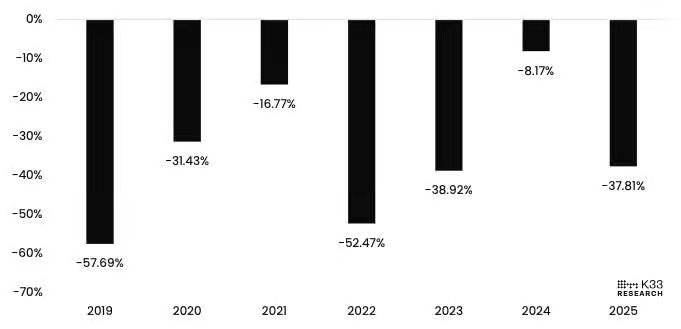
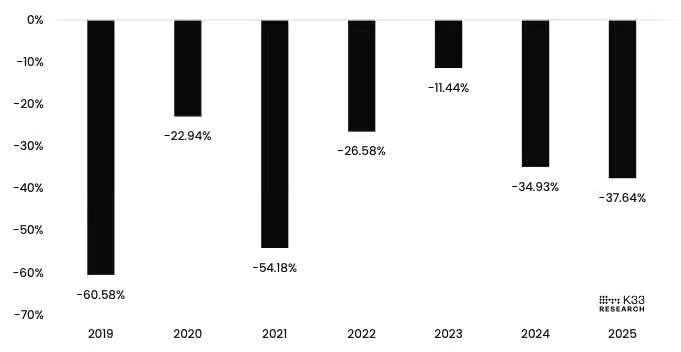
Analyzing historical data since 2019, Lunde points out a consistent trend: Bitcoin’s 7-day trading volume during Easter week has consistently fallen below its annual 7-day average. A similar pattern is observed in Bitcoin’s volatility, with the 7-day volatility indicator during every Easter period also registering below the yearly average.
Disclaimer: This article is provided for market information purposes only. All content and views expressed herein are for reference only and do not constitute investment advice. They do not represent the views or positions of the author or publisher. Investors should conduct their own due diligence and make independent investment decisions. The author and publisher will not be held responsible for any direct or indirect losses incurred by investors as a result of their trading activities.