Iran’s Bold Move: Demanding Bitcoin for Strait of Hormuz Oil Transit Fees
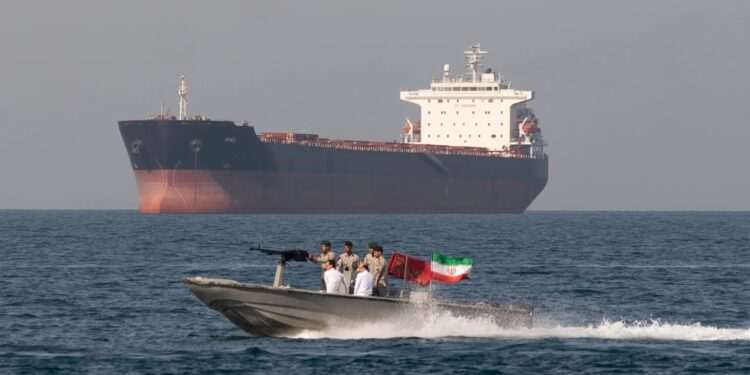
In an unprecedented development reported by the UK’s Financial Times, Iran plans to mandate cryptocurrency, primarily Bitcoin, as payment for oil tankers navigating the strategically vital Strait of Hormuz. This controversial directive is set to take effect during a temporary two-week ceasefire with the United States.
A Strategic Shift in Global Oil Transit
The move was confirmed by Hamid Hosseini, spokesperson for the Iran Oil, Gas and Petrochemical Products Exporters’ Union. Hosseini articulated Iran’s intention to levy transit fees in digital currencies from all vessels traversing the Strait, while also implementing a strict monitoring regime “to ensure these two weeks are not used to transport weapons.”
Unprecedented Fees: A US$2 Million Bitcoin Toll
Hosseini further elaborated to the Financial Times that the proposed transit fee would be a substantial “US$1 per barrel of crude oil.” For a fully laden supertanker, this could translate into a staggering single-trip charge nearing US$2 million, payable in cryptocurrency.
Under the preliminary operational framework, tankers will be required to submit detailed cargo declarations to Iranian authorities via email. Upon assessment and calculation of the total fee, instructions for cryptocurrency payment will be issued. Officials indicated that Bitcoin is poised to be a primary method of transaction.
Hosseini clarified that empty oil tankers would be granted free passage. However, vessels carrying crude oil must rigorously comply with the declaration and cryptocurrency payment protocols before being cleared for transit. He emphasized the urgency and security of the payment process:
“Once the email is delivered and Iran completes its assessment, the vessel has a few seconds to pay with Bitcoin to ensure the payment cannot be tracked or seized due to sanctions.”
Leveraging Digital Assets to Bypass Sanctions
The utilization of cryptocurrencies to circumvent traditional financial systems is not a novel concept on the global stage. For nations grappling with sustained tensions and sanctions from the United States and its allies, conventional banking settlement systems often leave indelible financial trails. Digital assets, by contrast, offer a crucial alternative, enabling transactions outside these traceable channels.
Russia, for instance, has previously employed cryptocurrencies to navigate Western economic sanctions. Similarly, Iran is now actively exploring these digital payment avenues, aiming to generate vital funds for the extensive reconstruction of its infrastructure, which has been severely impacted by conflict.
Disclaimer: This article is intended solely to provide market information. All content and views are for reference only and do not constitute investment advice. They do not represent the opinions or positions of BlockTempo. Investors should make their own decisions and conduct their own transactions. The author and BlockTempo will not be held responsible for any direct or indirect losses incurred by investors’ transactions.