By HIBIKI, CryptoCity
OpenAI Unveils Visionary AI Policy Proposals, Aiming to Reshape Global Wealth and Work Systems
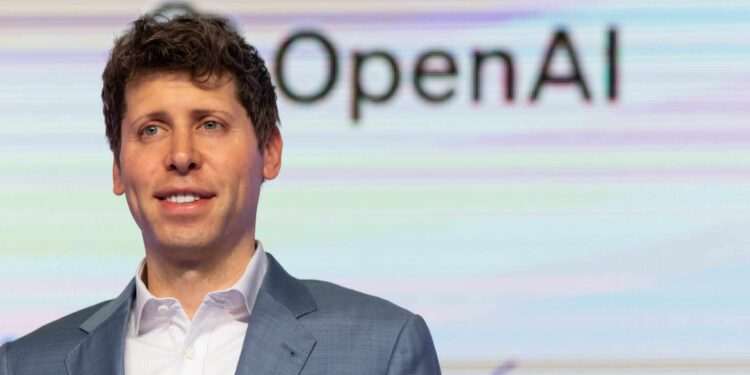
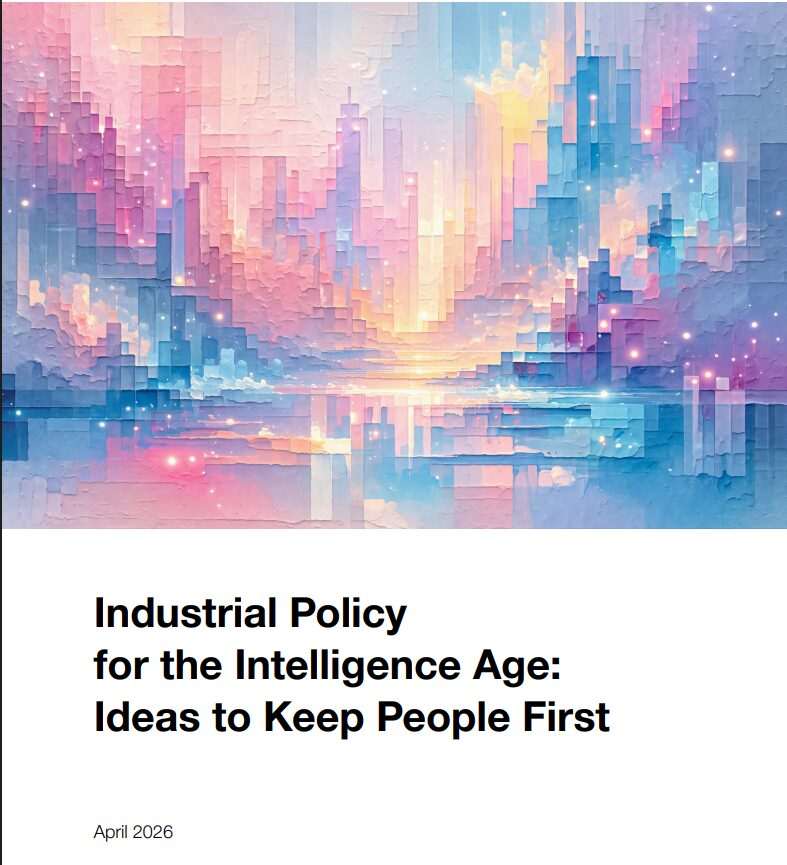
As governments worldwide grapple with the profound economic implications of artificial intelligence, OpenAI has stepped forward with a comprehensive set of policy proposals. These initiatives outline potential systemic adjustments nations may need to undertake to address the forthcoming challenges and opportunities presented by advanced AI technologies.
Essentially a strategic blueprint and a public declaration, OpenAI’s proposals offer critical insight into how the formidable $852 billion company envisions AI transforming the global workforce and economy. They serve as a guide for elected officials, investors, and the general public navigating this pivotal era of technological change.
OpenAI’s Four Pillars for an AI-Driven Economic Transformation
OpenAI’s ambitious framework for the AI age is built upon four core policy initiatives:
1. Tax Reform and the Introduction of a “Robot Tax”
OpenAI advocates for a fundamental shift in the tax burden, moving it from labor to capital. The company warns that as AI-driven growth expands corporate profits and diminishes reliance on human labor income, the tax base funding vital social programs—such as Social Security, Medicare, and housing assistance—will inevitably erode.
To counteract this, OpenAI proposes higher taxes on corporate income and significant capital gains, alongside the potential implementation of a “robot tax.” This tax would ensure that automated systems replacing human jobs contribute an equivalent amount to the public coffers as the human workers they displace.
2. Establishing National Public Wealth Funds
To ensure that the economic prosperity generated by AI is broadly shared across all segments of society, OpenAI champions the creation of national public wealth funds.
This mechanism would grant all citizens, even those not actively participating in market investments, automatic public ownership stakes in AI companies and essential infrastructure. Any investment returns generated by these funds would be directly distributed to the populace, effectively preventing the concentration of wealth in the hands of a select few.
3. Subsidizing a Four-Day Work Week Without Pay Reduction
Addressing labor welfare, OpenAI suggests subsidizing a four-day work week without any reduction in employee pay. Furthermore, the company recommends that businesses increase their contributions to pension plans, bear a larger share of healthcare costs, and provide subsidies for childcare or elder care expenses.
Additionally, OpenAI advises the establishment of portable benefits accounts, allowing crucial benefits like healthcare and retirement savings to follow workers across different industries and employers, thereby uncoupling them from single-employer dependency.
4. Accelerating Grid and Infrastructure Expansion
Recognizing the immense power demands of developing AI, OpenAI proposes new public-private partnership models to finance and expedite the expansion of energy infrastructure. The company also suggests accelerating construction through subsidies, tax credits, or equity investments, and argues that AI should be treated as a public utility, with industry and government collaborating to ensure its affordability and widespread accessibility.
These proposals emerge at a time of escalating public anxiety surrounding AI, fueled by concerns over job displacement, wealth inequality, and the rapid construction of data centers nationwide. Their release also coincides with the Trump administration’s advancements in national AI policy and the lead-up to midterm elections, underscoring OpenAI’s strategic positioning to appeal across the political spectrum.
Altman Controversy Casts Shadow Ahead of Policy Release
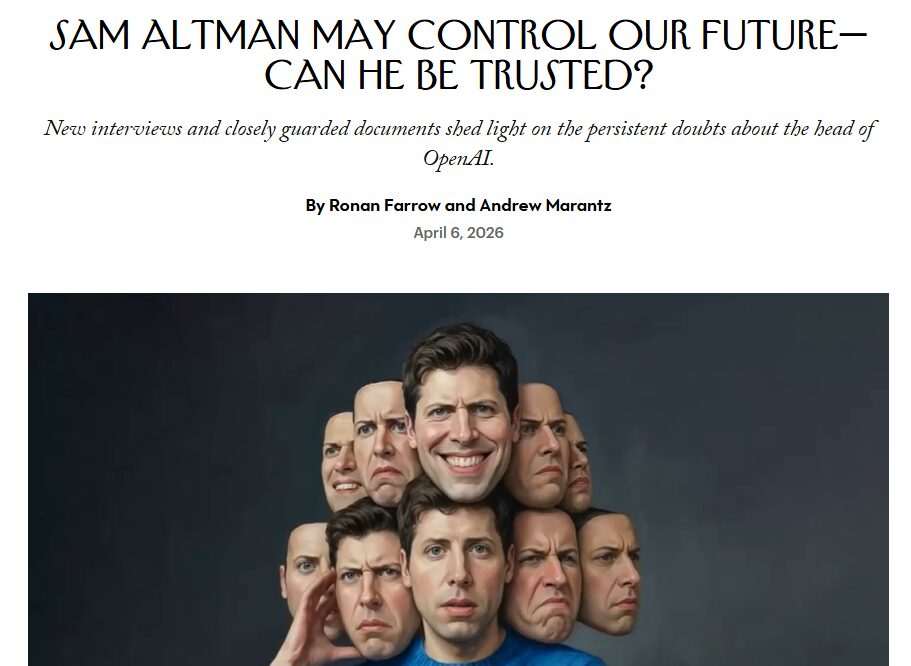
The unveiling of OpenAI’s policy proposals was preceded by significant media scrutiny targeting CEO Sam Altman.
A deep-dive investigation by The New Yorker revealed that in 2023, Ilya Sutskever, then co-founder and chief scientist of OpenAI, penned an internal memo accusing Sam Altman of deception regarding the company’s safety protocols and other critical operational matters.
According to The New Yorker, these trust issues ultimately led to the OpenAI board’s decision to dismiss Altman, concluding he had not been consistently candid with them. This dismissal triggered an internal upheaval, with employees threatening mass resignations and influential investors, including Josh Kushner, reportedly threatening to withhold operational funding if Altman was not reinstated.
The incident highlighted a deep-seated division within OpenAI regarding governance and safety priorities. Former OpenAI members, including Ilya Sutskever and Anthropic co-founder Dario Amodei, reportedly believed that Altman prioritized rapid company growth and product expansion over the organization’s foundational mission of safety.
OpenAI Stock Loses Luster in Secondary Markets as Anthropic Gains Favor
Concurrently, reports indicate that OpenAI’s stock is experiencing a decline in popularity on the secondary market, with investors increasingly shifting their focus to its primary competitor, Anthropic.
According to Bloomberg, Ken Smythe, founder of Next Round Capital, disclosed that in recent weeks, several institutional investors—including hedge funds and venture capital firms holding substantial stakes—have sought to offload approximately $600 million worth of OpenAI shares, yet struggled to find buyers. Conversely, buyers have expressed readiness to invest $2 billion into Anthropic.
Investor caution also stems from OpenAI’s escalating operational costs, as the company has committed to spending significantly more than Anthropic on infrastructure development in the coming years to support its growth.
While OpenAI boasts a vast consumer base, its progress in securing more lucrative enterprise clients has been relatively slow. In contrast, Anthropic holds a distinct advantage in the higher-margin enterprise market, a factor that contributes to its growth trajectory being perceived by the market as clearer and more robust than that of OpenAI.
(The above content is an authorized excerpt and reproduction from our partner, CryptoCity. Original Link)
Disclaimer: This article provides market information only. All content and views are for reference purposes only and do not constitute investment advice. They do not represent the views and positions of BlockTempo. Investors should make their own decisions and trades. The author and BlockTempo will not bear any responsibility for direct or indirect losses incurred by investors’ transactions.