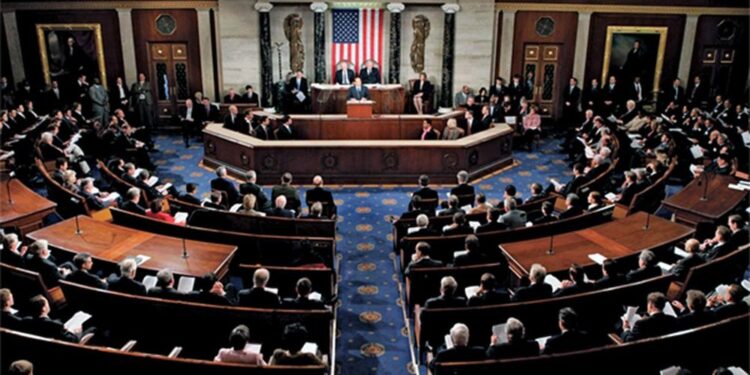
Despite staunch opposition from Democratic lawmakers, the U.S. Senate Agriculture Committee on January 29 formally advanced the highly anticipated cryptocurrency market structure bill. This pivotal legislation, viewed by the industry as a crucial step towards bolstering investor confidence and establishing regulatory clarity, marks a significant milestone in the ongoing effort to define digital asset oversight.
The Senate Agriculture Committee approved the bill on Thursday with a narrow 12-11 vote, propelling it into the next phase of the legislative process. Committee Chairman John Boozman (R) opted to proceed with the vote without securing bipartisan consensus, relying on strong Republican mobilization to secure its passage. However, this initial success merely sets the stage for a more challenging battle, as securing Democratic support will be essential for the bill to successfully navigate a full Senate vote.
Opening the session, Senator Boozman remarked, “After months of dedicated effort, we have achieved substantial progress, and it is now imperative to keep this process moving forward.”
The marathon deliberation on Thursday saw a united front of Democratic senators voting against the measure, underscoring the persistent partisan gridlock over regulatory philosophies and political agendas. Nevertheless, several Democratic members expressed an openness to continued negotiation, signaling a desire to forge a truly bipartisan version of the bill.
Senator Amy Klobuchar, a leading Democrat, commented, “While the current progress is indeed positive, we do not believe this is the final destination. We hope that as the bill advances, the doors to negotiation will remain wide open.”
The Formidable Challenge Awaits in the Banking Committee
It is critical to note that the Senate Agriculture Committee represents only one of two formidable legislative hurdles this comprehensive bill must clear. The other, and arguably more contentious, arena is the U.S. Senate Banking Committee, known for its deeply entrenched divisions.
The Banking Committee’s version, dubbed the “Digital Asset Market Clarity Act,” is laden with several controversial provisions. Among the most intricate is the contentious issue of “stablecoin yield.” Progress on this iteration of the bill has been severely hampered, primarily due to the arduous task of reconciling the competing interests of powerful Wall Street banking lobbyists and the burgeoning cryptocurrency industry. Achieving a consensus has proven exceptionally difficult.
In an effort to break this legislative deadlock, the White House is reportedly planning to convene a meeting next week. The aim is to identify common ground among key stakeholders: the cryptocurrency industry, traditional financial institutions, bipartisan legislators, and the executive branch.
Beyond the technical intricacies, the political maneuvering has intensified. Former President Donald Trump and his team have vociferously opposed a “morality clause” proposed by Democrats, which seeks to prohibit the President and high-ranking officials from profiting directly from cryptocurrency ventures.
Senator Corey Booker, a chief Democratic negotiator, sharply criticized the White House, accusing it of deliberately complicating the legislative journey. He stated unequivocally, “It is utterly absurd that the President of the United States and his family have amassed billions from this industry, yet they seek to establish a framework devoid of ethical safeguards, one that fails to prevent such egregious corruption.”
For this landmark legislation to officially become law, it must successfully navigate a complex multi-stage process:
- Pass scrutiny and approval by the Senate Banking Committee.
- Integrate the versions approved by both the Agriculture and Banking Committees into a unified Senate bill.
- Undergo a full vote by the entire Senate.
- If passed by the Senate, be sent to the House of Representatives for another vote (the House has already passed its own version with an overwhelming majority).
- Finally, be presented to President Trump for his signature to be enacted into law.
For the broader cryptocurrency industry, the current Congress has already delivered notable achievements, most notably the successful advancement of the “Genius Act,” a stablecoin regulation bill, marking a preliminary legislative victory. However, the cryptocurrency market structure bill is far more expansive and carries profound implications. With an impending federal budget deadlock and the midterm elections drawing ever closer, the window of opportunity for both the industry and legislators to finalize this critical framework is rapidly closing.
Disclaimer: This article provides general market information only. All content and views are for informational purposes and reference only, do not constitute investment advice, and do not represent the opinions or positions of BlockBeats. Investors should make their own decisions and conduct their own transactions. The author and BlockBeats will not be held liable for any direct or indirect losses arising from investor transactions.