By Fenrir, CryptoCity
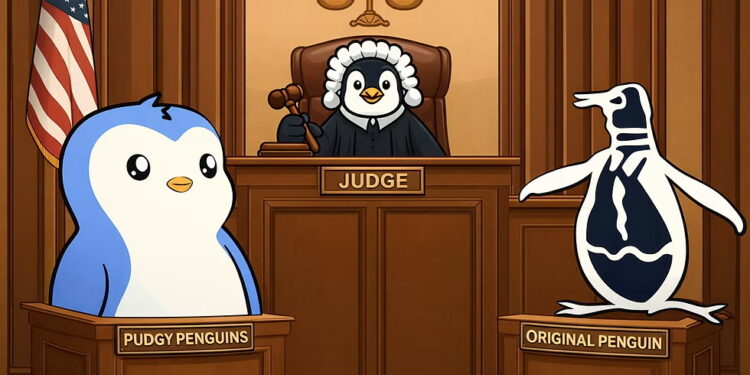
NFT Sensation Pudgy Penguins Sued for Trademark Infringement by Apparel Giant Original Penguin
A significant legal battle is brewing in the intellectual property landscape, pitting a storied traditional apparel brand against a burgeoning digital native. PEI Licensing, the entity behind the iconic U.S. clothing brand Original Penguin, has initiated legal proceedings against the popular NFT project Pudgy Penguins. The lawsuit, filed in the U.S. District Court for the Southern District of Florida, alleges that Pudgy Penguins has engaged in unauthorized use of “Penguin”-related trademarks, violating established principles of fair competition and trademark protection laws.
Original Penguin: A Legacy of Iconic Branding
Court documents reveal that the Original Penguin brand, managed by PEI Licensing, boasts a rich history dating back to 1955. Its distinctive penguin motif first adorned apparel products in 1956, with the “Penguin” word mark officially registered in 1967. Over decades, the brand has cultivated substantial recognition and goodwill within the global apparel market, establishing a strong and identifiable presence.
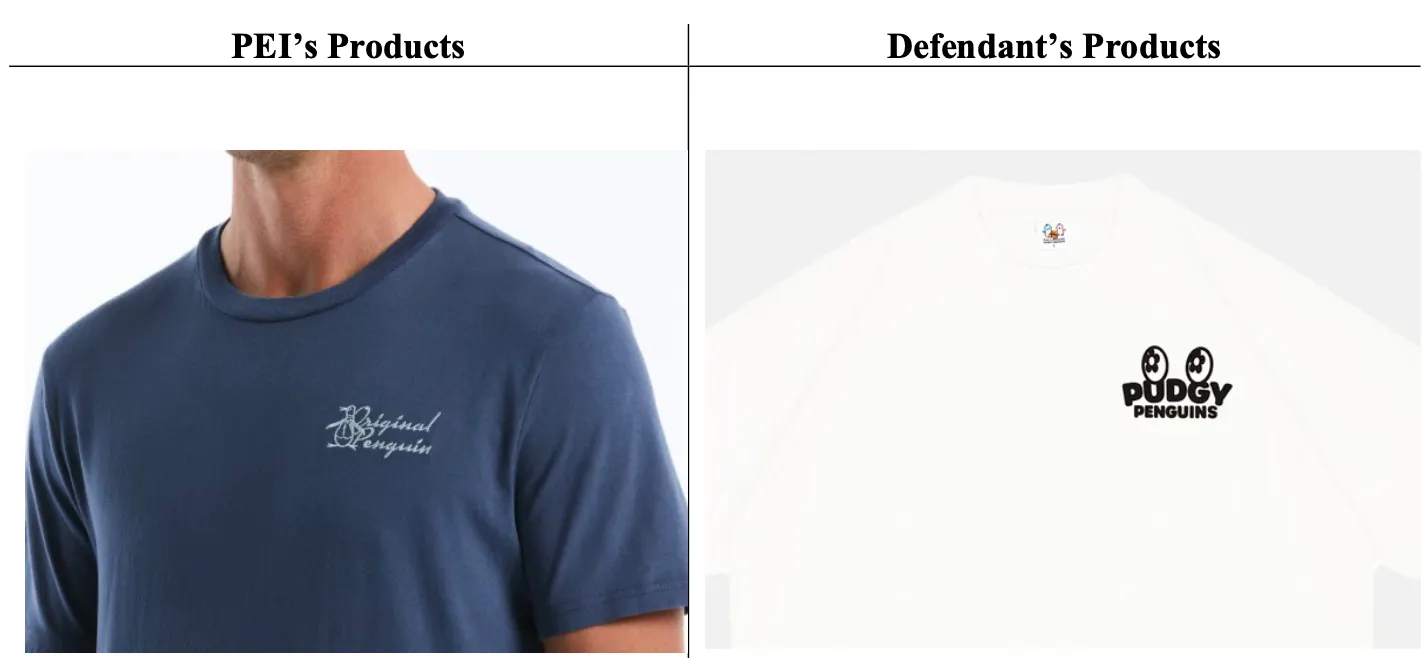
PEI Licensing asserts that Pudgy Penguins’ adoption of a similar brand name and penguin imagery could lead consumers to erroneously perceive a partnership or association between the two entities. Such confusion, PEI argues, would not only tarnish Original Penguin’s established brand reputation and commercial goodwill but also potentially erode the long-term value of its proprietary trademarks.
From Digital Collectibles to Retail Shelves: Pudgy Penguins’ Expansion Fuels Conflict
Pudgy Penguins initially launched as an Ethereum blockchain NFT collection in 2021, quickly ascending to prominence as one of the crypto industry’s most recognizable native intellectual properties. As the broader NFT market experienced a period of adjustment, the brand strategically diversified its focus, venturing into physical merchandise and brand licensing to unlock new revenue streams.
Since 2023, Pudgy Penguins has successfully introduced a range of plush toys and apparel, securing coveted placements in major retail chains such as Walmart and Target. The company proudly reported impressive sales figures, with over 1 million physical toys sold in under a year, generating more than $10 million in revenue.
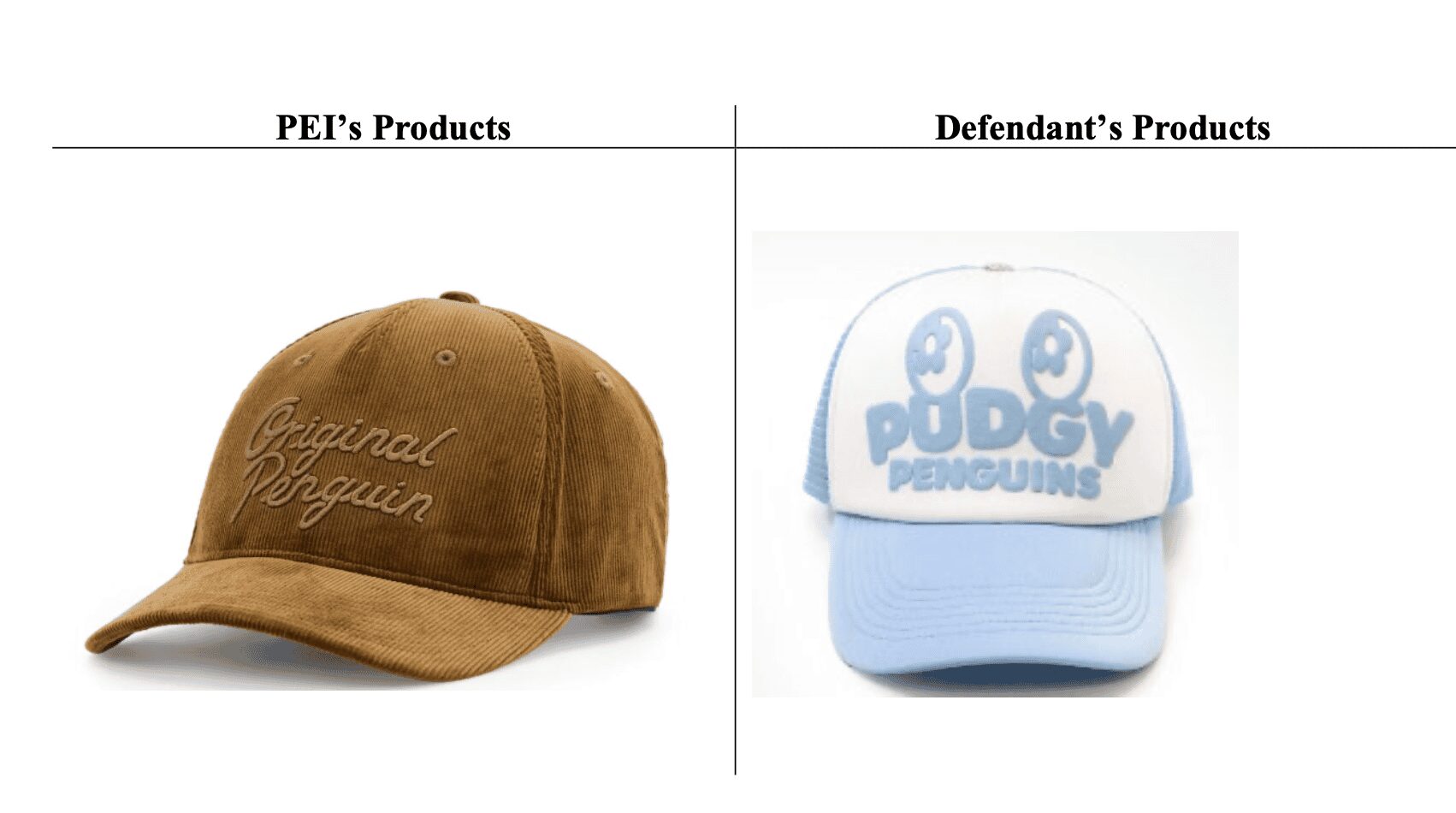
However, this successful pivot into traditional retail has become the flashpoint for the current legal dispute. PEI Licensing specifically highlights the striking similarities between the penguin imagery, slogans, and brand names utilized by Pudgy Penguins on its apparel and accessory lines and Original Penguin’s long-standing trademarks. The lawsuit includes compelling side-by-side product comparisons of items like hats, hoodies, and other clothing, arguing that these brand identifiers are highly likely to cause market confusion.
Escalating Tensions: Cease and Desist, USPTO Objections, and Allegations of Deliberate Exploitation
The conflict between the two brands is not new. PEI Licensing states it issued a Cease and Desist Letter to Pudgy Penguins as early as October 20, 2023, demanding an immediate halt to the use of potentially confusing penguin trademarks on apparel and related merchandise.
Despite this formal notification, PEI alleges that Pudgy Penguins continued to sell the contested products and proceeded to file multiple new trademark applications with the U.S. Patent and Trademark Office (USPTO), including distinctive slogans like “Pengu Nation” and “I am my penguin and my penguin is me.”
In response, PEI formally opposed at least two of these trademark applications at the USPTO in 2024. The lawsuit underscores that the product categories covered by these applications directly overlap with the apparel and accessory lines that Original Penguin has traditionally dominated, suggesting a clear competitive intent. Legal documents further accuse Pudgy Penguins of “deliberately exploiting existing brand reputation and goodwill,” characterizing their continued use of the disputed identifiers as an intentional act.
Pudgy Penguins Responds: Distinct Identities and Market Positioning
Pudgy Penguins has expressed surprise at the lawsuit, with General Counsel Jennifer McGlone noting that private negotiations were ongoing between the parties to resolve the dispute amicably. The sudden legal action, she indicated, was unexpected.
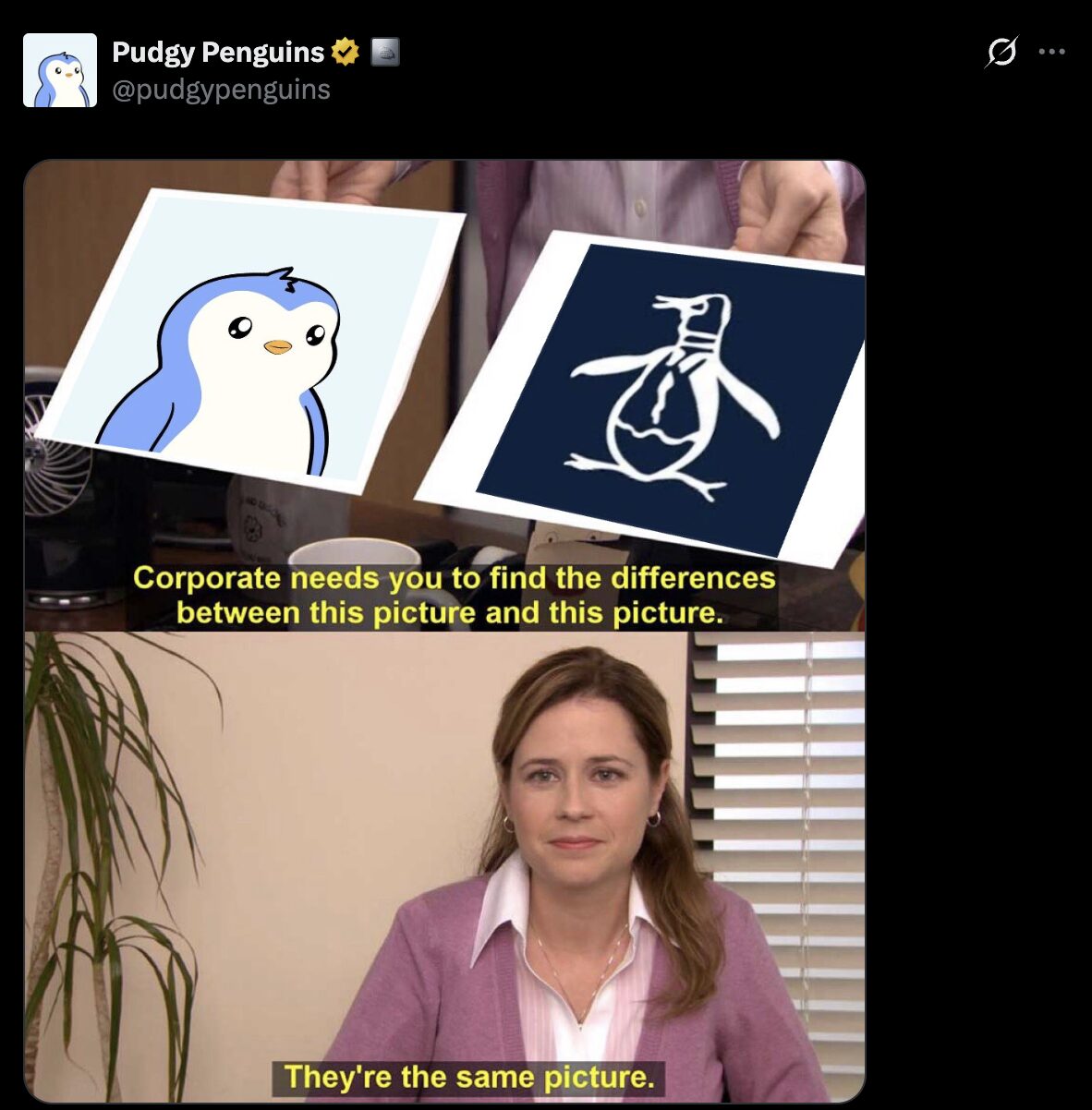
The NFT brand maintains that its visual design and market positioning are distinctly different from Original Penguin’s established trademark. Pudgy Penguins argues that it targets a unique consumer demographic and operates within a separate market segment. Furthermore, the company highlights that the USPTO has already approved several trademark applications related to the Pudgy Penguins brand, suggesting that regulatory bodies do not perceive a significant risk of consumer confusion. In a characteristic move, Pudgy Penguins also posted a meme on X (formerly Twitter) playfully mocking the lawsuit.
The Stakes: Legal Demands and the Future of Blockchain IP
In its lawsuit, PEI Licensing is seeking a court order compelling Pudgy Penguins to cease all use of the disputed trademarks and to revoke its pending trademark applications. Additionally, the plaintiff demands the surrender of all profits generated from the sale of the contested merchandise and the judicial destruction of all goods deemed likely to cause trademark confusion.
This high-profile case underscores a growing challenge for NFT projects as they transition from purely digital assets to tangible retail products. It highlights the inevitable friction that arises when blockchain-native intellectual property intersects with established traditional brand and intellectual property frameworks. As more decentralized IPs seek to penetrate mainstream consumer markets, navigating complex brand trademark and copyright issues is poised to become a critical legal frontier for the industry’s evolution.
Disclaimer: This article is for informational purposes only and does not constitute investment advice. All content and opinions expressed are for reference only and do not represent the views or positions of BlockTempo. Investors should conduct their own due diligence and make independent investment decisions. The author and BlockTempo will not be held liable for any direct or indirect losses incurred by investors.