Taiwan’s Digital Frontier: Legislator Urges Bitcoin as Strategic Reserve and Accelerates Virtual Asset Law
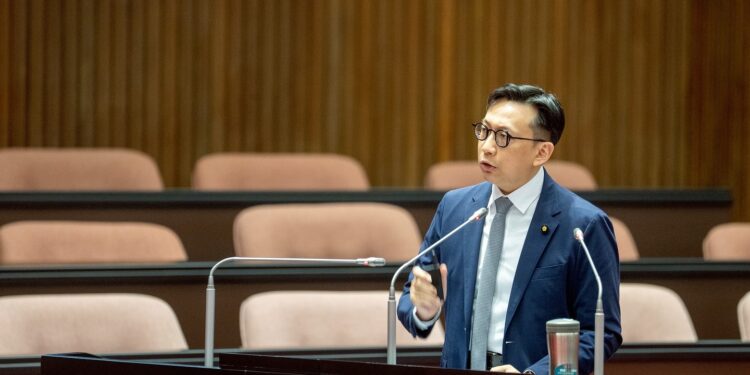
In a pivotal session at the Legislative Yuan on November 11, Kuomintang technology legislator Ko Ju-chun reignited the debate on integrating Bitcoin into Taiwan’s national strategic reserves. Emphasizing the critical interplay of “finance, digital innovation, and national sovereignty,” Ko called for an immediate inventory of Taiwan’s Bitcoin holdings and demanded a new, comprehensive “Bitcoin Strategic Reserve Assessment Report” by year-end. He also pressed for the swift implementation of the long-awaited Virtual Asset Service Act (VASA).
Premier Cho Jung-tai, Central Bank Governor Yang Chin-long, and Financial Supervisory Commission (FSC) Chairman Peng Jin-lung were present to address Ko’s urgent inquiries regarding virtual currency policy.
The Case for Bitcoin: A Call for Strategic Foresight
Legislator Ko sharply criticized the Central Bank’s perceived reluctance towards Bitcoin as a strategic reserve, referencing its March report, “Analysis of Bitcoin as a Central Bank Reserve Asset or National Strategic Reserve,” which he argued reflected a negative stance out of step with global trends. Ko highlighted a growing international movement, noting that US states like New Hampshire, Arizona, and Texas have already advanced legislation to include Bitcoin in their strategic reserves, with 18 more states reportedly following suit.
Drawing on projections from Deutsche Bank, which forecasts widespread central bank adoption of Bitcoin by 2030, positioning it as “the new cornerstone of modern financial security” akin to 20th-century gold, Ko challenged Governor Yang Chin-long’s dismissive comment that “2030 is still a bit far off.” Ko retorted, “Facing global changes, can Taiwan truly afford to wait until 2030?”
Furthermore, Ko underscored the vulnerability of Taiwan’s foreign exchange reserves, which are heavily weighted towards US debt. He warned that a weakening US dollar or an appreciating New Taiwan Dollar could severely impact national financial security. He urged the Central Bank to proactively evaluate a “diversified reserve asset” strategy, requesting a balanced Bitcoin reserve assessment report, detailing both pros and cons, by the end of the year. Governor Yang confirmed that a revised report would be submitted by the deadline.
Unlocking Value: Confiscated Bitcoin and Strategic Holdings
Ko Ju-chun also pointed to the significant untapped potential of Bitcoin confiscated by Taiwan’s judicial system. He proposed that if the Central Bank remains hesitant about virtual assets, it could initially adopt a “holding” strategy. He suggested emulating international best practices by inventorying these seized Bitcoin assets, deferring decisions on whether to integrate them into national reserves or liquidate them until a robust policy framework is established.
Premier Cho Jung-tai acknowledged the importance of this inventory, committing to a comprehensive report by year-end to provide clarity and direction.
The Stalled Virtual Asset Service Act: A Plea for Progress
Beyond reserve strategies, Ko Ju-chun voiced strong concerns over the stagnant progress of the Virtual Asset Service Act (VASA). He revealed that the FSC submitted the draft bill to the Executive Yuan on June 27, yet five months have passed without discernible movement, leaving the virtual asset industry in a state of prolonged uncertainty.
FSC Chairman Peng Jin-lung explained that ministerial-level meetings and stakeholder consultations have been ongoing, but a definitive timeline remains elusive. With VASA encompassing eight sub-laws, including critical stablecoin regulations, Ko questioned the ongoing delays: “If the parent law isn’t finalized, everything else is gridlocked. Must we continue with endless cautious discussions, only to defer it to the next legislative session?”
Premier Cho Jung-tai affirmed support for the FSC’s prudent legislative approach, stressing that stablecoins implicate monetary sovereignty and necessitate a meticulously crafted regulatory architecture. Chairman Peng assured that related sub-laws are being developed concurrently, not awaiting the main bill’s passage.
Addressing Article 8 of the VASA draft, which permits financial institutions to concurrently operate virtual asset businesses, Ko argued that virtual asset operators possess superior practical experience in blockchain technology and market dynamics. He advocated for a collaborative model between banks and industry players, rather than a hierarchical one, to foster innovation and development.
A New Financial Era: Taiwan’s Imperative
In a concluding statement that encapsulated his vision, Legislator Ko Ju-chun articulated a powerful call to action:
Virtual assets are no longer mere speculative commodities; they represent a new frontier for national security and financial sovereignty. As central banks worldwide embrace virtual currencies and stablecoins, Taiwan must bravely transcend outdated thinking and forge comprehensive plans to seize the immense opportunities presented by this new financial era!
The legislative debate underscores Taiwan’s critical juncture in navigating the complexities and opportunities of digital finance, with calls for decisive action to secure its future economic stability and technological leadership.