Author: Fenrir, CryptoCity
Taiwan’s Financial Watchdog Moves to Curb Crypto ‘Coach’ Chaos with Enhanced Supervision
As enthusiasm for cryptocurrency investment continues to soar in Taiwan, a proliferation of self-proclaimed “crypto coaches” (Key Opinion Leaders, KOLs) has emerged. These individuals leverage social media platforms to form investment groups, offering trading signals and investment advice. Such “lead-in, lead-out” activities, which influence market prices and potentially mislead investors, have drawn significant attention from regulatory authorities.
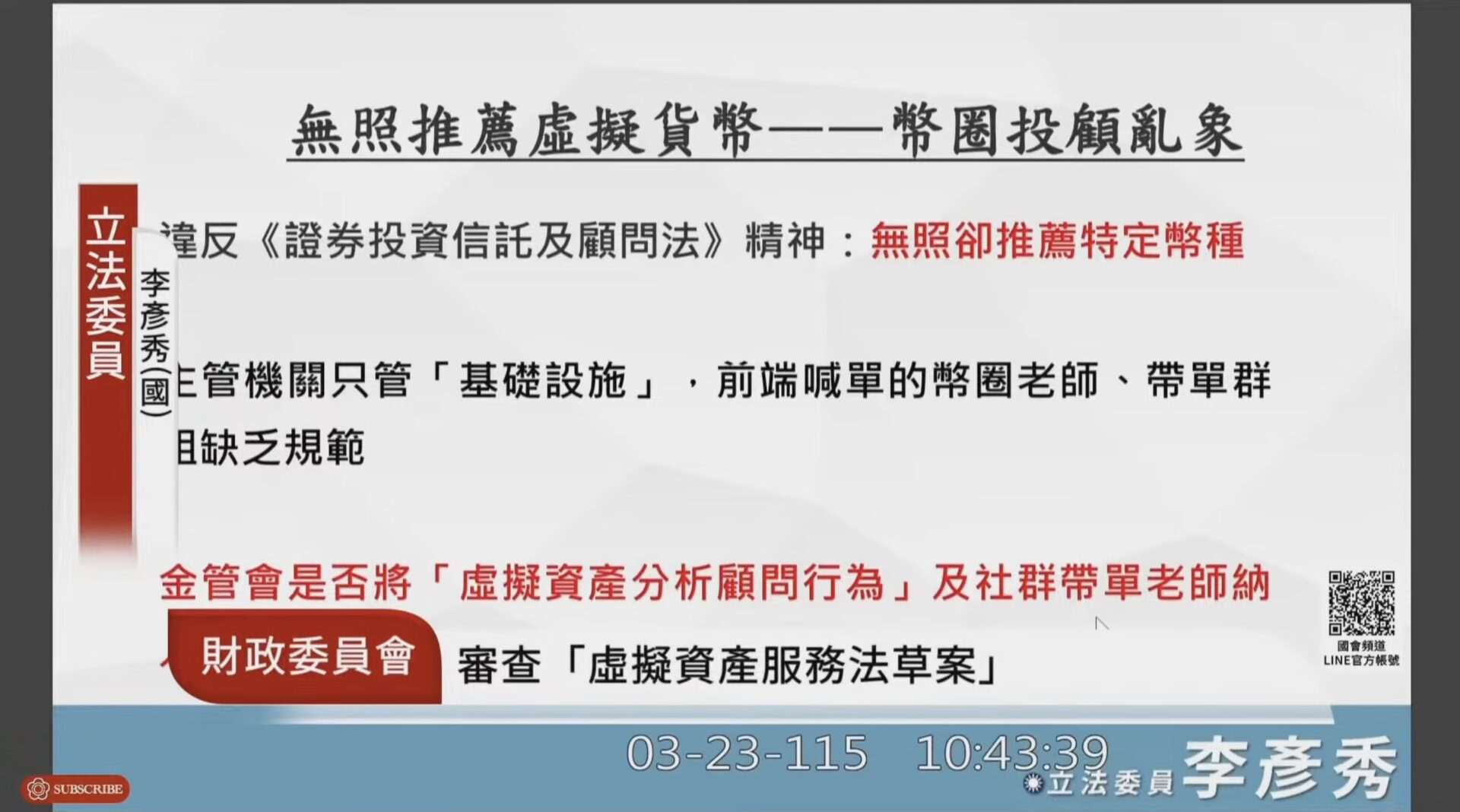
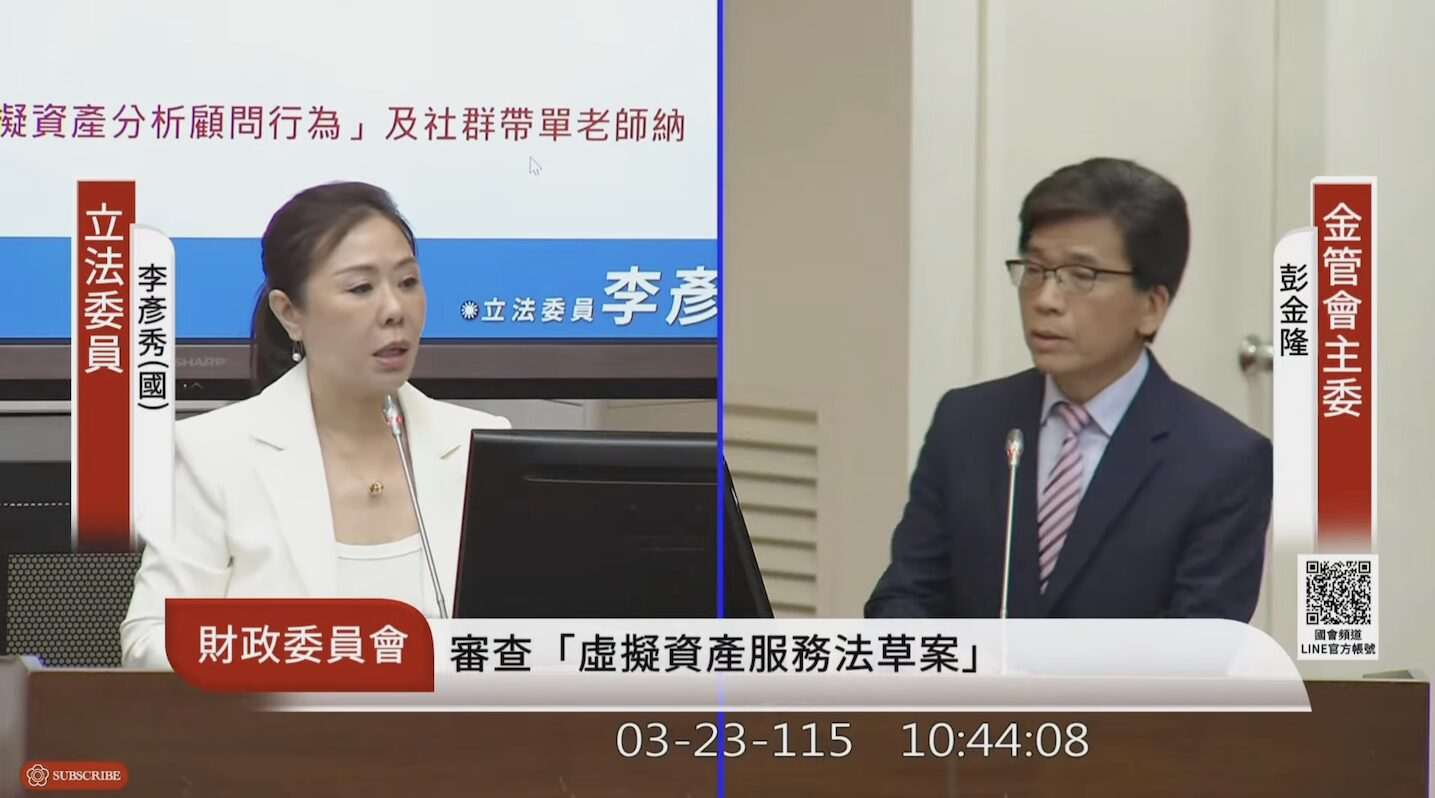
During a recent query at the Finance Committee, Kuomintang (KMT) Legislator Lee Yen-hsiu highlighted that while current regulations prohibit market manipulation, the market is rife with activities that effectively constitute investment advice. She urged the Financial Supervisory Commission (FSC) to implement clear regulations. FSC Chairman Peng Jin-lung responded by outlining plans to utilize subsidiary regulations authorized by the “Financial Consumer Protection Act.” These will specifically target financial service providers engaging in advertising, solicitation, and promotional activities through KOLs, aiming to establish an orderly virtual asset market.
Peng Jin-lung emphasized that similar behaviors in traditional financial markets are already subject to corresponding regulations, where influencers promoting financial products face specific restrictions. The current regulatory focus is on bringing virtual asset analysis and advisory activities under management, ensuring investors receive adequate protection when accessing information.
According to the FSC’s blueprint, future regulations will draw upon self-regulatory mechanisms observed in the traditional financial sector for collaborations between investment trust and consulting firms and influencers. This may require Virtual Asset Service Providers (VASPs) to sign formal cooperation agreements with KOLs and integrate these partnerships into their internal control systems. This signifies that “crypto coaches” who wish to publicly promote or offer trading signal services will need to operate within a compliant framework, effectively ending their presence in a regulatory vacuum.
Where’s the Red Line? Lessons from “Crypto Hu Shih” and BitMart on Illegal Solicitation Risks
Recent cases clearly illustrate the gradually solidifying regulatory boundaries. Previously, “Crypto Hu Shih,” a prominent virtual currency influencer, and his company, Yangji Co., Ltd., were issued a warning by the Securities Association of the Republic of China. This was due to their failure to register under the “Regulations Governing Anti-Money Laundering for Virtual Asset Service Providers or Personnel” and to complete their anti-money laundering (AML) compliance declaration with the FSC.
The announcement explicitly prohibited them from engaging in virtual currency-related solicitation activities, marking the first time a KOL was formally named since the implementation of the virtual asset registration system. Although Crypto Hu Shih subsequently argued that the Securities Association lacked legal authority, FSC legal personnel pointed out that unregistered entities operating, soliciting, or engaging in platform commercial activities are, in fact, already treading the legal boundary. This risk is particularly high when such activities are perceived as an extension of exchange operations.
Further reading: Offering classes to teach crypto trading! Is “Crypto Hu Shih” crossing the legal red line?
Another notable case involved the offshore exchange BitMart (幣世交易所). The FSC’s Securities and Futures Bureau officially identified BitMart as an unauthorized operator, specifically mentioning certain KOLs recruiting “trading troops” on the Threads social media platform, requiring participants to register using a designated invitation code. The Bureau explicitly stated that BitMart, having failed to complete its AML registration, is prohibited from providing services or conducting advertising solicitation within Taiwan.
The FSC reminds the public to reject the use of unauthorized offshore platforms and to avoid transferring funds into related accounts. These cases demonstrate that whether it’s individual KOLs or offshore exchanges, any entity involved in illegal solicitation of Taiwanese citizens will face official naming and warnings from regulatory authorities, potentially leading to further criminal investigations.
Unmasking the “Fake Trading Statement Generator”: Investors Beware of Deceptive Performance and Investment Traps
Furthermore, during bullish market conditions, fraudsters often exploit investors’ FOMO (Fear Of Missing Out) psychology by creating illusions with sophisticated tools. The crypto sphere has long seen the prevalence of “fake trading statement generators.” By simply inputting coin type, leverage multiple, opening price, and name, one can instantly generate seemingly astonishing profit statements. These “fake coaches” typically establish groups on Facebook, Instagram, LINE, or Telegram, using fake accounts and fabricated conversations to create an atmosphere of making substantial profits by following their advice. Their modus operandi often begins with free trial trades, allowing investors to make small gains to build trust. Subsequently, they demand additional funds be transferred to designated fake wallets or unknown exchanges. Once funds are deposited, the “coach” and the group vanish overnight, leaving investors with devastating losses.
Beyond technical fabrication, these trading groups often pair their schemes with so-called “arbitrage equations” or “professional teachings” to attract audiences. For instance, some KOLs on Threads claim that with just 1,000 USDT capital, one can achieve trading volumes of millions of $USDT, emphasizing that all techniques are taught by the “coach,” and learners merely need to copy. However, such exaggerated guarantees of profit, coupled with requests to use specific invitation codes for offshore platforms, harbor significant compliance and security risks. The FSC and police have repeatedly warned that crypto investments should not blindly rely on word-of-mouth in groups. Any “coach” demanding private transfers or directing users to unregulated platforms poses extreme risks. Genuine market participants should cultivate independent risk awareness rather than being swayed by fabricated profit screenshots.
Regulatory Implementation and Practical Challenges: VASP-Specific Legislation and Self-Regulation as Future Cornerstones
Currently, Taiwan’s supervision of virtual asset KOLs is at a critical turning point. In terms of legislative direction, the version proposed by the Taiwan People’s Party (TPP) has explicitly recommended regulating Key Opinion Leaders, requiring VASPs to disclose company names and license information in advertisements and marketing, prohibiting false or misleading promotions, and advocating for KOLs to meet specific qualification criteria.
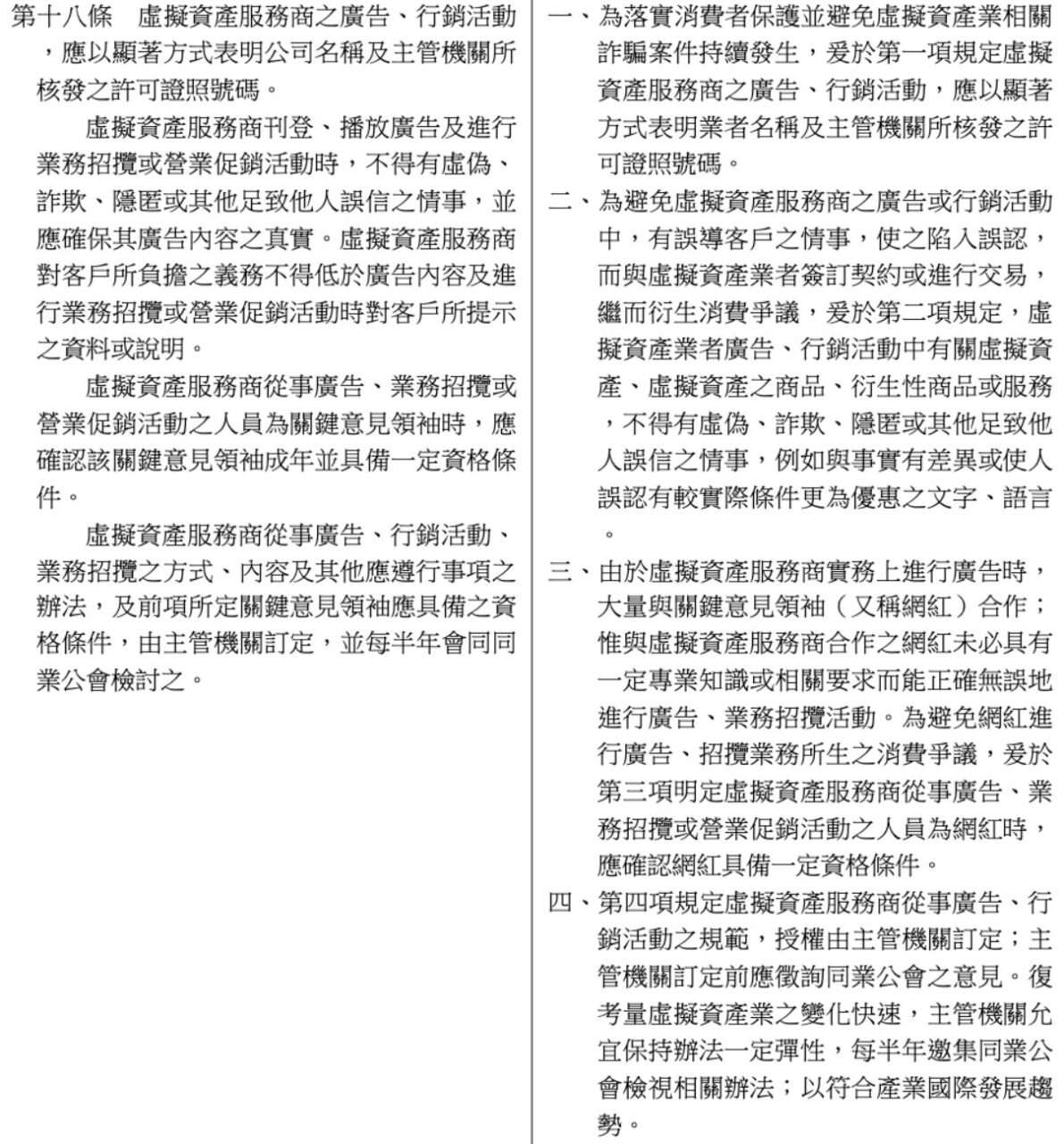
However, financial practitioners candidly admit that requiring all KOLs to possess specific financial qualifications is exceptionally challenging. Therefore, the current compromise leans towards mirroring the model of the Securities Investment Trust & Consulting Association (SITCA), where operators regularly review and ensure compliance of their partnering influencers through contractual obligations.
This regulatory action targeting “crypto coaches” is part of the broader progression of Taiwan’s “Virtual Asset Service Act” draft. As the VASP registration system gradually takes effect, the regulation of trading signal activities will complete a crucial piece of the supervisory framework.
Currently, the only domestic VASPs offering services, listed alphabetically by stroke count, are:
- HOYA BIT (禾亞數位科技)
- ZONE Wallet (拓荒數碼科技)
- MaiCoin, MAX Exchange (現代財富科技)
- KryptoGO (重量科技)
- TWEX (富昇數位科技)
- Chainss (跨鏈科技)
- BitoPro (幣託科技)
- XREX Exchange (鏈科股份有限公司)
FSC Chairman Peng Jin-lung stated that the government’s specific law will be prioritized, and custodian guidelines will be established within six months. In the future, investors should prioritize choosing legally registered platforms and remain vigilant against any unauthorized solicitation activities, ensuring their rights are protected by law.
(The above content is an excerpt and reproduction authorized by our partner CryptoCity. Original link)
Disclaimer: This article provides market information only. All content and views are for reference only, do not constitute investment advice, and do not represent the views or positions of BlockTempo. Investors should make their own decisions and trades. The author and BlockTempo will not bear any responsibility for direct or indirect losses incurred by investors’ transactions.