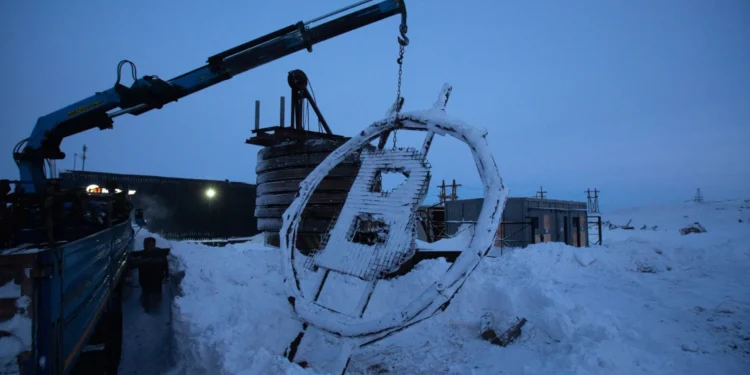
Bitcoin Mining Faces Steepest Challenge Since 2021 Amid US Winter Storms & Plummeting Profitability
The Bitcoin mining industry is currently navigating its most formidable challenge since late 2021. A series of intense winter storms across the United States has compelled numerous large-scale mining operations to initiate emergency shutdowns. These closures, mandated by grid operators to stabilize power supply, have triggered a dramatic decline in the Bitcoin network’s hash rate, subsequently impacting mining output and overall revenue.
The Unprecedented Hash Rate Plunge
According to data from on-chain analytics firm CryptoQuant, the Bitcoin network’s total hash rate has plummeted by approximately 12% since November 11th of last year. This represents the most significant single-day reduction since China’s comprehensive ban on mining activities in October 2021. The network’s processing power now stands at just 970 EH/s, marking its lowest level in recent memory.
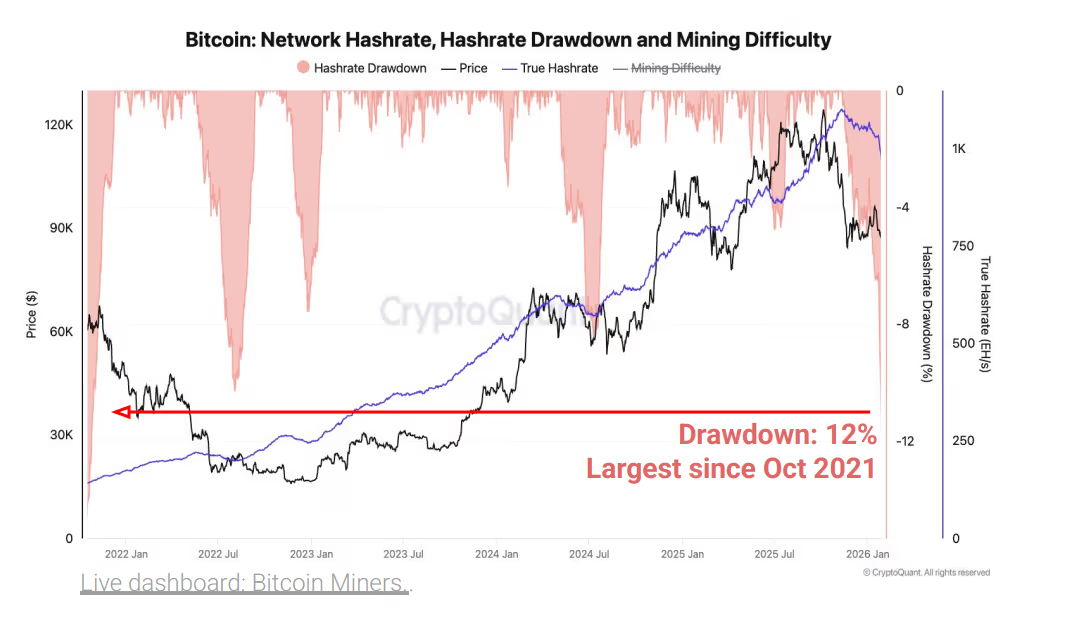
This widespread hash rate retreat intensified dramatically over the past week, as extreme cold weather gripped key US mining regions, straining local power grids. To safeguard valuable equipment and comply with critical power curtailment requests, many publicly traded mining companies opted to temporarily power down their machines. The immediate consequence of this sharp drop in processing power has been a direct hit to miner profitability.
Operational Disruptions and Economic Fallout
The financial impact has been swift and severe. Bitcoin’s total daily mining revenue plunged from approximately $45 million on January 22nd to $28 million within just two days, hitting a one-year low. While there has been a modest recovery to around $34 million, this figure remains significantly below recent averages, underscoring the dual pressures of declining hash rate and a weaker Bitcoin price.
Mining output has also experienced a sharp contraction. The combined daily production of publicly listed mining firms has shrunk from 77 BTC to a mere 28 BTC. Similarly, smaller and unlisted miners have seen their daily output fall from 403 BTC to 209 BTC.
When viewed through a 30-day moving average, the output from listed miners has decreased by 48 Bitcoins – the largest decline observed since May 2024, following the most recent halving event. Non-listed miners have faced an even steeper reduction, with their output dropping by 215 Bitcoins, marking the largest fall since July 2024.
Profitability Under Pressure: A Squeezed Market
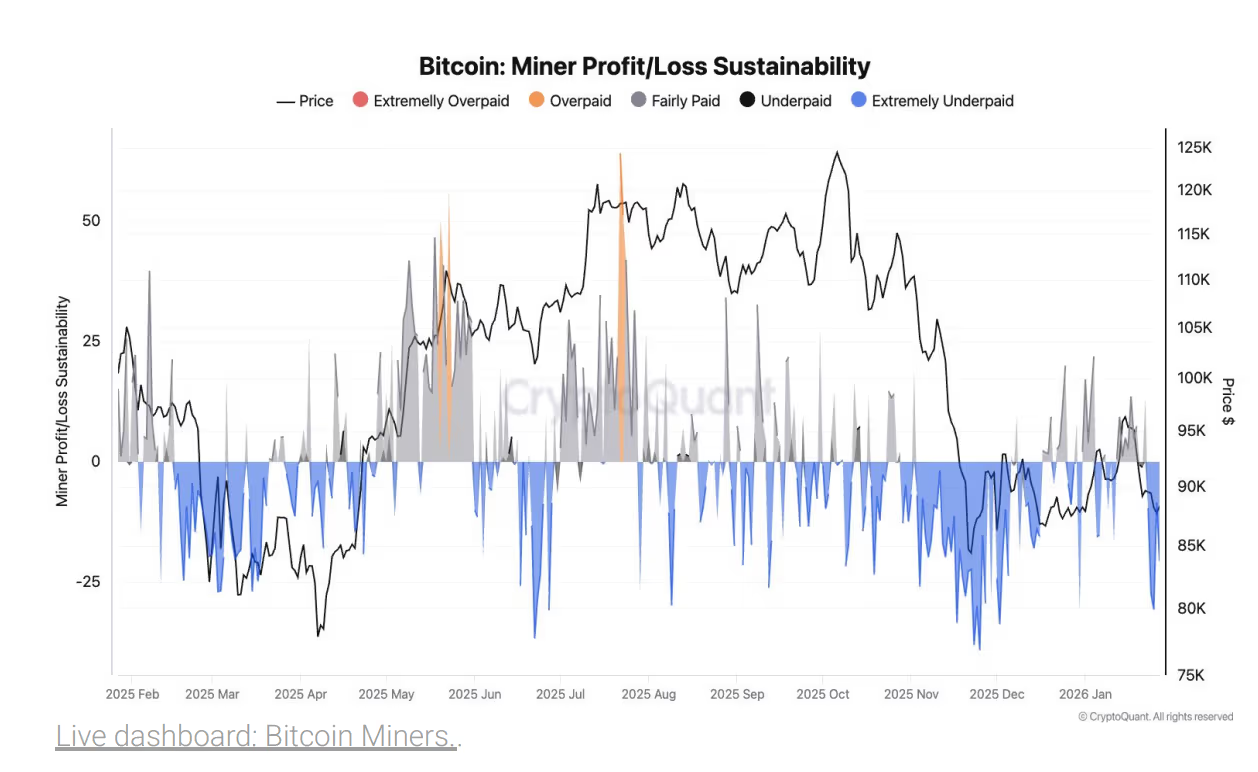
Even more concerning is the shrinking survival margin for miners. CryptoQuant’s “Miner Profit and Loss Sustainability Index” has fallen to 21, its lowest point since November 2024. This critical metric signals that an increasing number of miners are operating at a loss, finding that their mining revenue is insufficient to cover the substantial electricity and maintenance costs, despite several downward adjustments in mining difficulty.
Navigating the Road Ahead
While recent difficulty adjustments have occurred as some mining rigs went offline, these adjustments have not been enough to offset the combined impact of a softening Bitcoin price and widespread operational disruptions. Should the hash rate remain depressed, more substantial difficulty adjustments are anticipated in the coming weeks. Such adjustments could offer a much-needed reprieve for the miners who manage to stay online, potentially improving their profitability in a challenging market.
Disclaimer: This article is for market information purposes only. All content and opinions are for reference only and do not constitute investment advice. They do not represent the views and positions of BlockBeats. Investors should make their own decisions and trades. The author and BlockBeats will not be liable for any direct or indirect losses incurred by investors as a result of their transactions.