
Middle East Tensions Send Shockwaves Through Crypto Markets: Bitcoin Plummets as Oil Surges
The cryptocurrency market, which saw a brief Sunday rebound, faced a stark reality check on Monday as escalating Middle East tensions sent shockwaves across global financial landscapes. With traditional markets reopening, investors began to fully digest the implications of a potential US-Iran conflict. Bitcoin, the world’s leading digital asset, bore the brunt of this anxiety, plunging to a low of $65,149 in early trading today (the 2nd), effectively erasing gains that had been triggered following reports of the death of Iran’s Supreme Leader, Ayatollah Ali Khamenei.
As of this writing, Bitcoin is trading at $65,751, marking a 1.9% decline over the past 24 hours. This downturn has dragged the broader crypto market into negative territory, with Ethereum (ETH) falling 3.7% to $1,931, Solana (SOL) dropping over 4.5% to $82.27, and Ripple (XRP) decreasing 4.1% to $1.34.
“Oil Chaos” Grips Traditional Finance
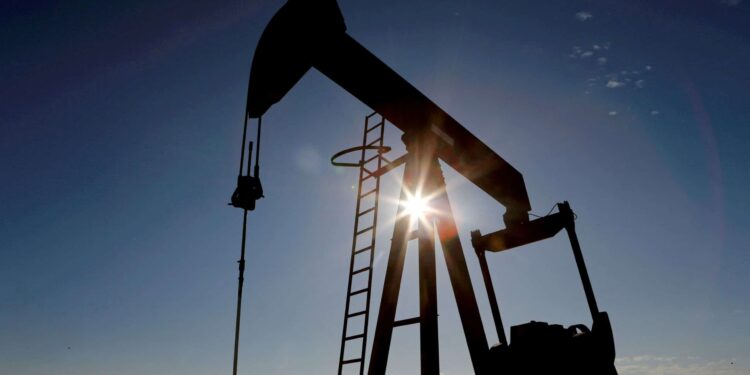
Simultaneously, traditional financial markets are grappling with what analysts are calling “oil chaos.” Brent Crude futures initially soared by an astonishing 13% at market open, before moderating to $77.50, still registering a significant 6.4% gain. This marks the largest single-day surge for Brent Crude since the onset of the Russia-Ukraine conflict in 2022.
According to a Bloomberg report, the situation intensified dramatically after Iran reportedly banned vessel transit through the critical Strait of Hormuz. This vital waterway, often dubbed the “throat of the world’s oil reservoir,” controls approximately one-fifth of global oil transportation. Market fears over potential energy supply disruptions immediately triggered a 1.4% decline in Asian equities, while U.S. stock futures fell by about 0.7%. In contrast, gold, a traditional safe-haven asset, surged to $5,350 per ounce.
The Crypto-Energy Nexus: Inflation and Fed Policy
For the cryptocurrency market, the immediate catalyst for short-term price movements isn’t the geopolitical conflict itself, but rather the trajectory of energy prices. A sustained rally in oil prices is expected to directly fuel inflation expectations, potentially compelling the U.S. Federal Reserve (Fed) to postpone anticipated interest rate cuts. In an environment characterized by elevated interest rates and tighter liquidity, cryptocurrencies, widely considered “risk assets,” are likely to remain under considerable pressure.
A Web of Uncertainty: Diplomacy and Deterrence
The Middle East situation remains highly fluid and unpredictable. Reports from The Wall Street Journal suggest Iran is actively seeking to revive nuclear negotiations with the U.S., while The Atlantic claimed former President Trump had agreed to engage in dialogue with Iran’s new leadership. However, these diplomatic overtures are met with strong counter-signals. Iran’s national security chief, Ali Larijani, publicly rejected talks, and former President Trump declared that “bombing operations will continue until objectives are achieved.” This conflicting rhetoric underscores the profound uncertainty gripping the region.
Expert Outlook: Limited Downside and Supply Resilience
Despite the ominous geopolitical climate, some professional traders advise against excessive pessimism. Jeff Mei, COO of BTSE, offers an insightful analysis, suggesting that Iran’s long-standing isolation from the global financial system may limit the overall market downside risk.
Mei further elaborates that while concerns about oil prices stoking inflation are valid, global reliance on Iranian crude oil has significantly diminished. He points out that increased production from OPEC+ nations and the United States is theoretically sufficient to buffer potential supply shortfalls and help stabilize global oil prices.
Navigating the Volatility: What Lies Ahead
Ultimately, the future direction of the cryptocurrency market will hinge on critical developments: whether the Strait of Hormuz is reopened to shipping and how long U.S. military actions will persist. Until these crucial questions find clear answers, cryptocurrencies are expected to continue their volatile journey as “risk assets” in an environment of heightened geopolitical risk.
Disclaimer: This article is intended solely for market information purposes. All content and opinions are for reference only and do not constitute investment advice, nor do they represent the views and positions of BlockBeats. Investors should make their own decisions and conduct their own trades. The author and BlockBeats will not assume any responsibility for direct or indirect losses incurred by investors’ trading activities.
