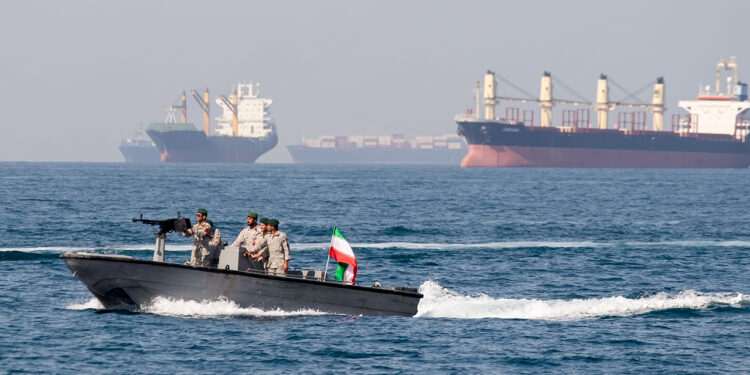
Strait of Hormuz Blockade Sparks Sophisticated Crypto Scam Targeting Stranded Ships
Unresolved geopolitical tensions in the Middle East have given rise to a dangerous new form of deception, preying on desperate shipping companies. With the critical Strait of Hormuz under blockade and thousands of vessels stranded, sophisticated scam groups are reportedly impersonating Iranian authorities, offering “safe passage permits” in exchange for cryptocurrency payments.
The Greek maritime risk services firm MARISKS has issued an urgent warning, confirming that multiple shipping operators have received fraudulent messages. These messages demand “transit fees” in Bitcoin (BTC) or USDT for passage through the contested waters.
Alarmingly, reports indicate that at least one vessel has already fallen victim to this elaborate trap. Believing it had secured special transit privileges, the ship attempted to navigate the Strait only to be met with armed fire, becoming an innocent casualty caught in the crossfire of this complex geopolitical crisis.
The current maritime gridlock stems from military actions initiated by the United States and Israel against Iran on February 28, which led to Iran’s subsequent blockade of shipping traffic in the Strait of Hormuz. According to Reuters, an estimated 20,000 oil tankers and other cargo ships are now trapped in the Persian Gulf, creating immense pressure on global trade and supply chains.
What makes this scam particularly insidious and difficult for shipowners to discern from legitimate operations is a crucial detail: Iranian authorities had previously floated a similar concept. As early as April 9, Tehran had indeed announced the possibility of collecting transit fees in cryptocurrency. Hamid Hosseini, spokesperson for the Union of Iranian Exporters of Oil, Gas, and Petrochemical Products, publicly stated at the time that such “transit fees” would likely be collected in Bitcoin.
However, adding another layer of complexity, US President Trump, just a week prior, had ordered a comprehensive blockade of the Strait of Hormuz to sever funding sources for the Iranian government and its military operations. This order was followed by the seizure of an Iranian vessel attempting to circumvent the blockade, underscoring the official stance against unauthorized passage.
To prevent further casualties and financial losses, MARISKS has publicly disclosed the precise phishing language used by the scam syndicates:
“After you provide documents and your qualifications are assessed by Iranian security agencies, we will determine the specific amount you must pay in cryptocurrency (BTC or USDT). Upon completion of payment, your vessel will be able to cross the Strait at a pre-arranged time.”
MARISKS unequivocally stresses that these messages are entirely fraudulent traps and bear no connection whatsoever to official Iranian channels or authorities.
Disclaimer: This article is intended solely to provide market information. All content and views expressed herein are for reference only, do not constitute investment advice, and do not represent the opinions or positions of BlockTempo. Investors should make their own decisions and conduct their own transactions. The author and BlockTempo shall not be held liable for any direct or indirect losses incurred by investors as a result of their transactions.