Author: Kurumi, CryptoCity
CFTC Concludes Civil Cases: Former FTX Executives Caroline Ellison and Gary Wang Face Trading Bans
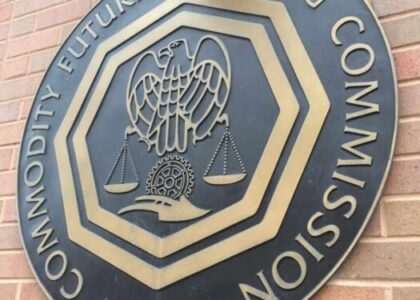
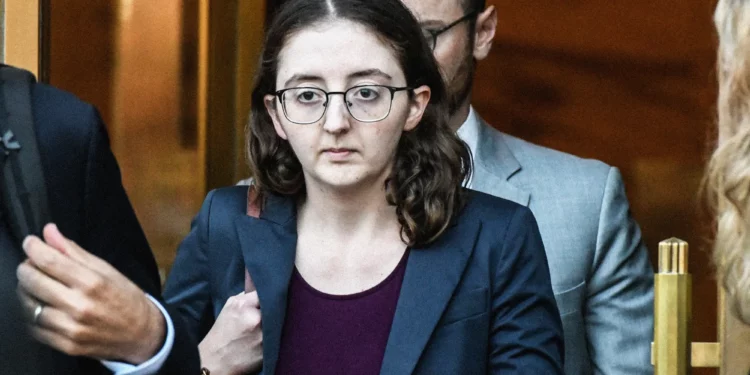
In a significant development stemming from the dramatic collapse of FTX, the U.S. Commodity Futures Trading Commission (CFTC) has finalized civil enforcement actions against two former key executives who played pivotal roles in the exchange’s downfall: Caroline Ellison, former CEO of Alameda Research, and Gary Wang, FTX co-founder. Both individuals, instrumental in the prosecution of FTX founder Sam Bankman-Fried (SBF), now face multi-year prohibitions on trading and registration within CFTC-regulated markets.
A supplemental consent order, approved by the U.S. District Court for the Southern District of New York on August 19, bars both Ellison and Wang from trading commodities and related products under CFTC jurisdiction for a period of five years. Additionally, Ellison has been issued a 10-year CFTC registration ban, while Wang faces an 8-year ban.
These terms commence from their initial consent orders dated December 23, 2022. Consequently, the five-year trading prohibition is set to expire by late 2027. Ellison’s registration ban will extend until 2032, and Wang’s until 2030. Both are mandated to continue their cooperation with ongoing CFTC investigations related to FTX.
Cooperation Leads to Leniency: No Additional Civil Penalties for Ellison and Wang
A notable aspect of these final sanctions is the CFTC’s decision not to impose additional civil monetary penalties, disgorgement of illicit gains, or restitution on Ellison and Wang. The regulatory body explicitly cited their substantial assistance in the FTX investigation as a critical factor in determining the final, more lenient penalties.
David I. Miller, Director of Enforcement at the CFTC, affirmed that while Ellison and Wang, as senior executives at Alameda and FTX, were held legally accountable for their involvement in the fraudulent scheme, their final sanctions reflect the invaluable assistance they provided during the CFTC’s investigative process.
Following FTX’s implosion, both executives pleaded guilty and cooperated extensively with the U.S. government, becoming crucial witnesses in SBF’s criminal trial. Ellison provided detailed testimony on how Alameda misappropriated FTX customer funds and SBF’s direct involvement in these decisions. Wang, in turn, explained to the jury how special code within the FTX system granted Alameda illicit privileges.
The CFTC originally filed fraud charges against Ellison and Wang in December 2022. At that time, neither disputed legal responsibility for the allegations, leading the court to approve liability findings while deferring monetary penalties and other sanctions. This latest supplemental order formally resolves these remaining issues, marking a significant step towards concluding the CFTC’s enforcement actions against them.
Unraveling the Fraud: Wang’s Backdoor, Ellison’s Misappropriation of Billions
The CFTC’s charges against Caroline Ellison and Gary Wang underscore the deep-seated financial and systemic irregularities between FTX and Alameda Research. The regulatory body alleges that this elaborate fraudulent scheme ultimately resulted in the loss of over $8 billion in FTX customer deposits.
According to CFTC allegations, Gary Wang, in his capacity as FTX co-founder and Chief Technology Officer, was instrumental in developing proprietary code for the trading platform. This code provided Alameda Research with a virtually unlimited line of credit from FTX, effectively granting them unrestricted access to customer funds.
This specialized programming also conferred unfair trading advantages upon Alameda, including accelerated trade execution and exemption from FTX’s automated liquidation risk management protocols. These unique privileges enabled Alameda to continuously draw upon and utilize customer assets held on the FTX platform.
Caroline Ellison, who served as co-CEO of Alameda from 2021 before becoming its sole CEO, is accused by the CFTC of orchestrating the deployment of billions of dollars in FTX funds, including customer assets. Under her direction, and in collaboration with SBF and others, these funds were used for trading on other cryptocurrency exchanges and for high-risk investments across the crypto industry.
Furthermore, Ellison publicly misrepresented the relationship between Alameda and FTX, falsely claiming their operations were independent. The CFTC deemed these statements misleading and critical in perpetuating the fraudulent commingling of funds.
Broader Context: FTX & Alameda Settlements, SBF’s 25-Year Sentence
The CFTC’s cases against FTX and Alameda Research itself reached substantial settlements in 2024. The court approved a comprehensive compensation package totaling $12.7 billion, comprising approximately $8.7 billion in restitution and $4 billion in disgorgement, primarily designated to compensate victims of the FTX fraud. In parallel criminal proceedings:
- Caroline Ellison received a 2-year prison sentence for her involvement in the FTX fraud.
- Gary Wang, due to his extensive cooperation with government investigations, ultimately avoided a prison sentence.
- Both provided critical testimony during Sam Bankman-Fried’s criminal trial. SBF was subsequently sentenced to 25 years in prison after being convicted on multiple counts of fraud and conspiracy.
With the implementation of the CFTC’s latest supplemental order, the principal civil regulatory cases against Ellison and Wang, which have spanned nearly four years since the FTX collapse, are now largely concluded. While their guilty pleas and cooperation led to lighter final penalties, they must still adhere to multi-year trading and regulatory registration restrictions and remain bound by the legal responsibilities stemming from their prior criminal cases.
(The above content is excerpted and reproduced with permission from partner “CryptoCity”, original link)
Disclaimer: This article provides market information only. All content and views are for reference and do not constitute investment advice. It does not represent the opinions or positions of BlockTempo. Investors should make independent decisions and trades. The author and BlockTempo shall not be held responsible for any direct or indirect losses incurred by investors’ transactions.