Japan’s FSA Proposes Streamlined Tax Reporting for Trust-Type Stablecoins
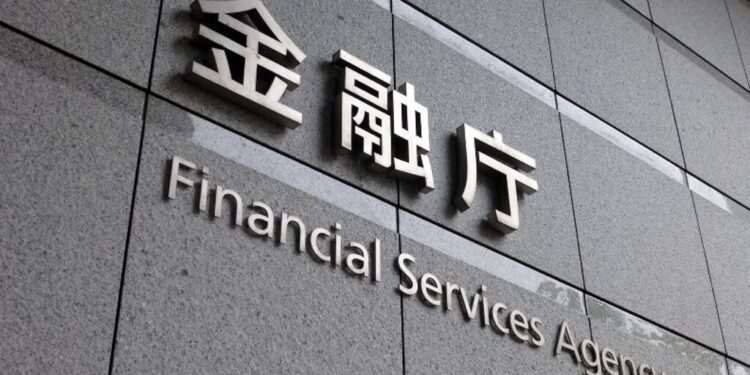
Japan’s Financial Services Agency (FSA) announced on August 31 its tax reform requests for fiscal year 2027, including a pivotal proposal to exempt “specific trust beneficiary rights”—effectively, trust-type stablecoins—from certain statutory tax reporting obligations. This strategic move aims to alleviate the administrative burden on trustees, particularly by eliminating the requirement to submit “Trust Beneficiary Statements” and “Trust Calculation Statements” when beneficiaries change or other specific events occur.
Addressing the Current Regulatory Landscape
Under the existing legal framework, trustees face stringent reporting requirements. Upon the establishment, modification, or termination of a trust, or changes in beneficiary rights, trustees are mandated by the Inheritance Tax Law to furnish details such as the beneficiary’s name and the value of the trust assets. Furthermore, trust companies and banks operating trust businesses must comply with the Income Tax Law by submitting detailed calculation statements outlining beneficiaries, trust income, and expenses. The National Tax Agency confirms that trustees are the statutory parties responsible for these submissions.
Rationale Behind the Proposed Exemption
The FSA’s proposal is rooted in the unique characteristics of trust-type stablecoins. These digital assets, designed to maintain a stable value pegged to fiat currency, are anticipated to undergo frequent transfers among a vast and often anonymous user base. The agency highlights the practical difficulties trustees encounter in tracking the identities of every stablecoin holder and monitoring every change in ownership. Enforcing a requirement for continuous, detailed beneficiary reporting in such a dynamic environment is deemed impractical. Moreover, the FSA notes that simply holding stablecoins is not typically expected to generate income for users, further differentiating them from traditional trust assets.
Clarifying the Scope: Not a Tax Exemption for Holders
It is crucial to understand that this proposed adjustment targets the statutory reporting system for trustees, not the income tax obligations of stablecoin holders. The FSA’s initiative does not suggest any cancellation of existing individual tax payment or reporting duties for those holding or transacting with stablecoins. Furthermore, the policy’s applicability is strictly limited to trust-type stablecoins, excluding other forms of crypto assets or different types of fiat-pegged stablecoins.
Navigating the Legislative Process
As of now, the proposal remains a tax reform request submitted by the FSA. The Japanese legislative process requires these items to first be integrated into the broader tax reform outline. Subsequently, the government must draft specific legislation and present it to the Diet (Japan’s parliament) for deliberation and approval. Consequently, the ultimate adoption of these changes, their precise application conditions, and their effective date are yet to be determined.
Japan’s Evolving Stablecoin Framework
This initiative underscores Japan’s proactive approach to developing a robust regulatory environment for trust-type stablecoins. A significant step in this direction was the revision of the Payment Services Act, which came into effect in June 2026. This amendment already permits certain reserve assets for stablecoins to be allocated to eligible government bonds and early-redeemable time deposits. Should the current tax reporting adjustments be finalized, they are expected to significantly reduce the administrative overhead for issuing and trustee institutions, such as trust banks. However, it is important to reiterate that these changes do not signal a relaxation of tax rules for stablecoin holders themselves.
Disclaimer: This article is provided for market information purposes only. All content and views are for reference only and do not constitute investment advice. They do not represent the views and positions of BlockTempo. Investors should make their own decisions and transactions. The author and BlockTempo will not bear any responsibility for direct or indirect losses resulting from investor transactions.