Author: Kurumi, Crypto City
Urgent Alert: “The Odyssey” Pirated Movie Downloads Harbor Lumma Stealer Malware, Threatening Crypto Wallets
As Christopher Nolan’s highly anticipated film, The Odyssey, captivates audiences, a sinister threat has emerged, exploiting the movie’s popularity. Cybersecurity firm Bitdefender has uncovered a widespread campaign where malicious actors are disguising Lumma Stealer malware as pirated copies of the film. This dangerous Trojan is specifically engineered to pilfer sensitive data, including browser information, passwords, and crucially, cryptocurrency wallet details.
The Deceptive Lure: How Malware Hides in Plain Sight
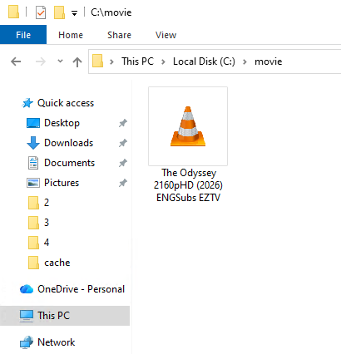
Researchers observed that these fraudulent files meticulously mimic legitimate pirated movie formats. They often incorporate common tags such as “1080p,” “2160p,” “WEBRip,” “Blu-ray,” and “H264,” designed to convince users they are downloading high-quality video content. To further enhance credibility, some filenames even include well-known Torrent keywords like EZTV.
However, beneath this convincing facade lies a Windows executable (.exe) file. Attackers cleverly disguise the file icons to resemble familiar media players like VLC Media Player or generic video thumbnails. Compounding the deception, Windows’ default setting often hides known file extensions, leading users to see only a movie title and a recognizable icon, completely oblivious that they are about to execute malicious code.
Lumma Stealer: A Potent Threat to Your Digital Assets
Once a victim executes these deceptive movie files, Lumma Stealer immediately begins its reconnaissance, scanning the compromised computer for valuable information.
Targeting Crypto Wallets, Passwords, and Session Cookies
Bitdefender’s analysis reveals that this sophisticated malware is capable of extracting a wide array of sensitive data. This includes browser-stored account passwords, payment information, autofill data, remote desktop login credentials, and critically, information pertinent to cryptocurrency wallets.
A particularly insidious target for Lumma Stealer is browser authentication cookies. When users successfully log into a website, their browser typically stores session information to maintain their logged-in status. By acquiring these valid cookies, hackers can effectively hijack authenticated login sessions, bypassing traditional password barriers.
Even accounts protected by multi-factor authentication (MFA) are not entirely safe from session hijacking. If attackers successfully obtain an active, authenticated session, they can potentially circumvent the re-login authentication process. This grants them unauthorized access and control over critical accounts such as email, cryptocurrency exchanges, and other vital online services.
The Scale of the Threat: Lumma Stealer’s Pervasive Reach
Bitdefender’s investigation into the fake The Odyssey files uncovered that the malware attempts to connect with Lumma Stealer’s command and control (C2) infrastructure. At least three malicious domains associated with this campaign have been identified and subsequently blocked by Bitdefender to protect its users. However, the cybersecurity firm cautions that attackers may continue to proliferate the malware through alternative filenames, domains, and download sources.
Known as LummaC2, Lumma Stealer has become a notorious information-stealing malware in the cybersecurity landscape. It operates on a Malware-as-a-Service (MaaS) model, making it readily available to other cybercriminals. This “plug-and-play” approach allows attackers to easily acquire the tools and then select popular content—be it movies, software, or other trending media—as their bait.
Past efforts by U.S. law enforcement agencies have targeted Lumma’s infrastructure. Statistics indicate that LummaC2 has been linked to a staggering 1.7 million information theft incidents. Despite disruptions to its infrastructure, variants of this potent malware persist and continue to surface in various attack campaigns.
Protecting Your Digital Frontier: Avoiding Pirated Downloads
The use of popular movies as bait for malware dissemination is a long-standing tactic in cybercrime. Researchers have frequently observed similar attacks, where hackers capitalize on the immense public demand for newly released films—especially those not yet digitally available—to spread Trojans via searches for “1080p,” “Blu-ray,” or “free download” resources.
The current The Odyssey campaign exemplifies this straightforward yet effective strategy. By packaging malware as eagerly sought-after movie files, and leveraging common Torrent community naming conventions and familiar media player icons, attackers skillfully lower users’ guard.
For cryptocurrency holders, the risks are particularly acute. Browser extension wallets, trading platform login credentials, and other critical financial information are often stored on everyday computers. A successful execution of an information-stealing Trojan can grant attackers simultaneous access to a multitude of accounts and sensitive crypto-related data.
Bitdefender strongly advises users to exercise extreme caution: avoid downloading files from unverified Torrent sites or any pirated sources. Furthermore, it is recommended to enable the display of full file extensions in Windows settings. Any file purporting to be a video but appearing in an .exe format should be considered highly suspicious and must not be executed. This latest The Odyssey incident serves as a stark reminder that the popularity of trending entertainment remains a prime conduit for cybercriminals to deploy sophisticated information-stealing malware.
Disclaimer: This article provides market information only. All content and views are for reference purposes and do not constitute investment advice. They do not represent the views and positions of BlockTempo. Investors should make their own decisions and transactions. The author and BlockTempo will not assume any responsibility for direct or indirect losses incurred by investor transactions.