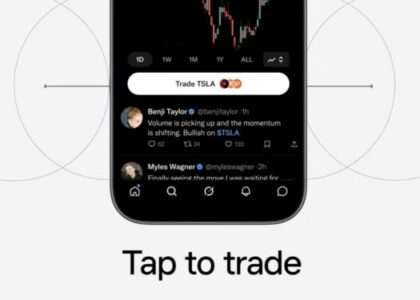
Hyperliquid, a leading decentralized perpetuals exchange, is making a bold move into the burgeoning prediction market sector. The platform has announced a significant upgrade to its HIP-4 proposal, enabling anyone to deploy prediction market contracts directly on the platform. This strategic expansion positions Hyperliquid as a formidable challenger to established players like Polymarket and Kalshi, who currently dominate the market.
According to an announcement via Telegram, HIP-4 introduces an “Outcome Trading” feature that will allow users to freely create prediction market contracts using standardized templates approved by validators. While this permissionless functionality is being rolled out, existing prediction markets will continue to be established and managed by validators.
The Rise of Prediction Markets: A New Frontier for Hyperliquid
Prediction markets have emerged as one of the fastest-growing segments within the blockchain industry. These innovative platforms allow users to trade on the outcomes of specific future events—ranging from central bank interest rate decisions and presidential elections to major sporting events—with market prices dynamically reflecting the perceived probability of these events occurring.
Currently, the global prediction market landscape is largely spearheaded by Polymarket and Kalshi, collectively boasting a market capitalization in the billions of dollars. The rapid surge in demand has attracted increasing interest from major financial platforms. For instance, recent major sporting events have seen cumulative trading volumes on prediction markets exceed an astonishing $50 billion, drawing the attention of centralized exchanges like Coinbase and Robinhood, which are eager to offer integrated prediction market services alongside traditional financial products.
Permissionless Market Creation: Staking 500,000 HYPE Required
The HIP-4 proposal was officially deployed to the Hyperliquid mainnet in May, and the platform already supports the “Outcome Trading” functionality. Hyperliquid has indicated that permissionless prediction markets will first be launched on the testnet to ensure stability and robustness before being rolled out to the mainnet.
Once fully live, any individual will be able to deploy their own prediction market. However, this privilege comes with a crucial requirement: a staking deposit of 500,000 HYPE, Hyperliquid’s native token, will be necessary. This collateral acts as a safeguard; if validators determine that a market’s definition is unclear, its rules contain significant flaws, or the final settlement is incorrect, a portion of the staked HYPE may be “slashed” as a penalty.
In return, developers who successfully create and manage these markets stand to earn up to 50% of the trading fee revenue generated. This lucrative incentive aims to foster a vibrant community dedicated to building a diverse array of high-quality prediction markets.
Hyperliquid further clarified that while validator-created official markets will continue to exist after the full launch of permissionless markets, their number will be significantly reduced. The platform’s vision is for validators to establish fewer than 10 markets annually, with the vast majority of markets being autonomously created and maintained by the community.
HYPE Token Sees Positive Movement Amidst Announcement
The news has been met with a largely positive market reaction. Hyperliquid’s native token, HYPE, saw an immediate surge of approximately 1% following the announcement, climbing from an intraday low of $59.88 to above $60.5. Its latest price stands at approximately $62.55, marking a 3.3% increase over the past 24 hours.
As prediction markets continue to emerge as a key battleground in the cryptocurrency industry, Hyperliquid’s latest upgrade signifies a strategic expansion of its business scope. Moving beyond its core decentralized derivatives offerings, Hyperliquid is now directly entering the prediction market arena, setting the stage for direct competition with established platforms like Polymarket and Kalshi and cementing its position as an innovator in decentralized finance.
Disclaimer: This article is for informational purposes only. All content and opinions expressed herein are for reference only and do not constitute investment advice. They do not represent the views or positions of the author or Blockcast. Investors should make their own decisions and trades. The author and Blockcast will not bear any responsibility for direct or indirect losses incurred by investors’ transactions.