
Meta’s Ambitious AI Overhaul: The Unforeseen Challenges and Course Corrections
In recent months, social media titan Meta has embarked on an aggressive campaign to reposition itself as an “AI-native” company, a strategic shift that has unfortunately been accompanied by significant workforce reductions, impacting even key personnel like the Threads PM Lead in Taiwan. A comprehensive follow-up report by Reuters on August 26 shed light on the internal turmoil surrounding this ambitious transformation, revealing that CEO Mark Zuckerberg initiated the “Organization Transformation” (OT) plan as early as January of this year.
The Bold Vision: An “AI-Native” Meta
The codenamed OT initiative aimed to fundamentally reshape Meta’s operational paradigm, transitioning it towards an “AI-native” model. Under this vision, artificial intelligence would assume a vast array of routine tasks traditionally performed by human employees, leaving only leaner, high-talent density teams responsible for oversight and strategic direction.
Internal planning documents obtained by Reuters painted a stark picture of the proposed scale of this transformation. Meta executives reportedly discussed scenarios involving staff reductions of up to 60% across multiple teams. While some employees were slated for reassignment to newly established AI-focused units, a significant portion faced potential layoffs, with the scale potentially matching or even exceeding the company’s previous 25% workforce reduction three years prior.
This extensive restructuring was initially planned in two distinct phases: the first wave of layoffs in May, followed by a second in November. Beyond direct terminations, the plan also included strategies like freezing open positions and weeding out underperforming employees to further streamline the workforce.
Meta has since confirmed the existence of the OT plan to Reuters, describing it as a year-long initiative focused on cost-saving, team restructuring, and reallocating human resources to priority areas such as AI training data generation. However, the company emphatically stated that it never intended to lay off 60% of its overall workforce and, notably, canceled the second wave of layoffs before specific numbers were finalized.
- Related Coverage: Meta Regrets 8,000 Layoffs? Zuckerberg Admits “AI Transformation Mistake,” Promises No More Major Layoffs This Year
Employee Backlash and Controversial Tracking
The revelation of Meta’s layoff plans in March sent shockwaves through the organization, significantly impacting employee morale. Some managers were reportedly instructed to downplay the news, merely informing their teams that their future roles would “evolve” due to AI integration.
Further exacerbating internal tensions, in April, as news emerged of approximately 10% of employees facing termination by May 20, reports surfaced that Meta was mandating U.S. employees to install monitoring software on their devices. This software was designed to record keyboard and mouse operations, ostensibly to gather data for training AI agents to mimic human computer interaction. This move ignited a firestorm of employee dissatisfaction, with many expressing profound concern that they were actively training the very AI systems poised to replace them. The company’s internal communication platform, Workplace, was reportedly inundated with a torrent of critical comments.
AI’s Unforeseen Challenges: Productivity and Security Setbacks
Despite the aggressive push towards AI integration, internal data revealed that the technology was not delivering the anticipated productivity gains. According to an internal post by Meta CTO Andrew Bosworth in June, while employee use of AI-generated code changes surged by 220% year-on-year, the actual growth in new features or upgrades that directly benefited users only increased by a modest 36%.
Compounding these efficiency concerns, several internal communications highlighted growing reliability issues stemming from the proliferation of AI-assisted coding. These challenges manifested as “large-scale, disruptive AI agent behavior,” leading to a staggering 40% increase in major technical and security incidents compared to the previous year. Consequently, the time employees spent on “cleaning up” these issues skyrocketed by 70%.
These vulnerabilities were starkly demonstrated in June when hackers exploited a flaw in Meta’s newly launched AI customer service chatbot. This breach allowed unauthorized access to several high-profile Instagram accounts, including the deactivated official account of the Obama White House, bringing the severity of these security shortcomings into sharp focus.
- Related Coverage: Even Obama Affected! Hackers Steal IG Accounts via Meta AI Flaw, Security Gaps After Major Layoffs?
Zuckerberg’s Course Correction
Confronted with mounting internal pressure and the underperformance of its AI initiatives, Mark Zuckerberg made a pivotal decision. On the evening of May 19, just hours before the first wave of layoffs was to commence, he convened with senior executives and ultimately decided to cancel the second phase of the restructuring plan, which had been slated for November.
While Meta proceeded with the planned 10% workforce reduction the following day, Zuckerberg subsequently posted on Workplace, reassuring remaining employees that he did not anticipate any further company-wide layoffs for the remainder of the year, aiming to provide greater stability.
In the aftermath, Meta’s leadership initiated a concerted effort to restore employee morale. This included encouraging managers to openly address employee concerns, temporarily halting the controversial mouse tracking project, allowing some employees who had been transferred to new AI engineering units to apply for a return to their original teams, and tasking CFO Susan Li with enhancing employee welfare measures.
In early July, in a rare appearance at an internal town hall, Zuckerberg candidly admitted to missteps in the timing of the organizational restructuring. He also conceded that the progress of AI agent technology had been slower than his initial expectations but expressed optimism for more significant benefits to emerge within the next three to six months.
Shifting Public Narrative and Future Outlook
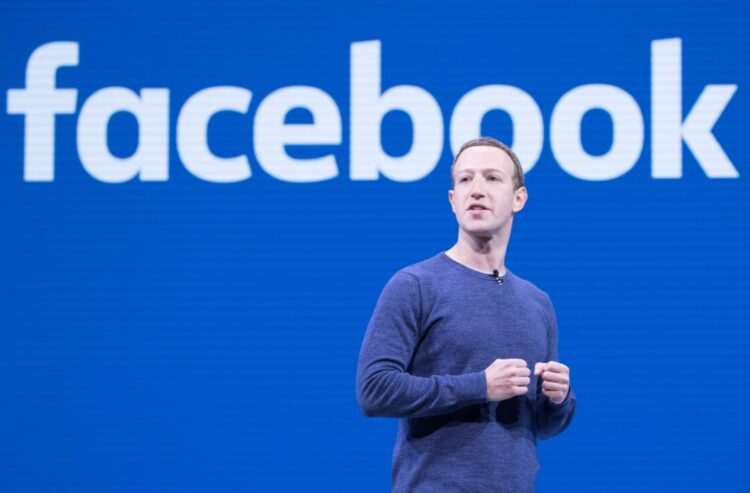
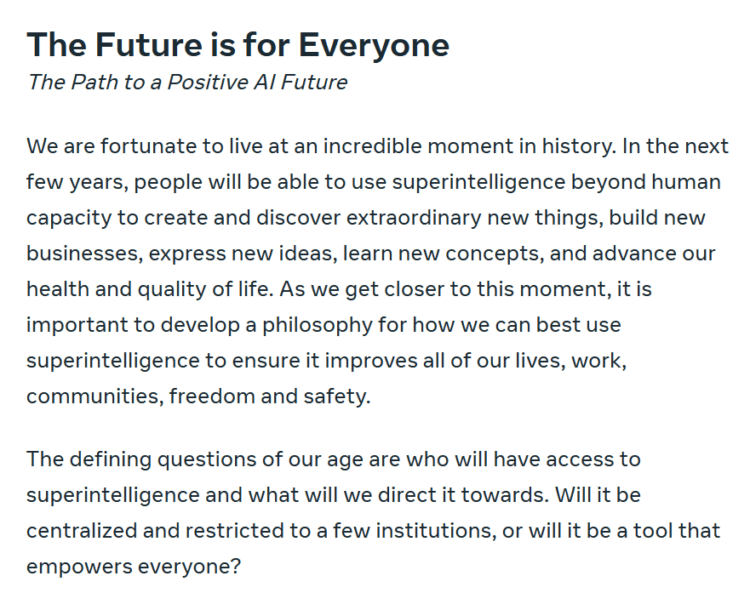
As Meta reined in its most contentious internal AI transformation measures, Zuckerberg concurrently launched a public relations campaign aimed at redefining Meta’s image as a people-centric organization. This included the release of promotional videos emphasizing “betting on talent” and a comprehensive 6,500-word article articulating his long-term vision for AI.
In his extensive article, Zuckerberg envisioned a future characterized by “abundant job opportunities” while simultaneously acknowledging the potential for some companies to shrink in size due to AI adoption, leading to an increase in the number of companies but with fewer employees per entity.
However, Zuckerberg’s carefully chosen words during internal communications, specifically his use of phrases like “company-wide” and “this year,” have led some employees to speculate. They suggest that future workforce reductions might shift to targeted team layoffs or performance-based eliminations, or that broader company-wide downsizing could simply be deferred until the following year.
Currently, Meta plans to invest a staggering minimum of $130 billion in AI chips and infrastructure this year. Market analysis firm LSEG estimates that this substantial expenditure will consume the company’s entire operating cash for 2026, ensuring continued external scrutiny of Meta’s future personnel decisions and its ambitious, yet turbulent, AI journey.
(The above content is excerpted and reproduced with authorization from partner PANews, original link)
Disclaimer: This article is provided for market information purposes only. All content and views are for reference only, do not constitute investment advice, and do not represent the views and positions of BlockBeats. Investors should make their own decisions and trades. The author and BlockBeats shall not be liable for any direct or indirect losses incurred by investors as a result of their transactions.